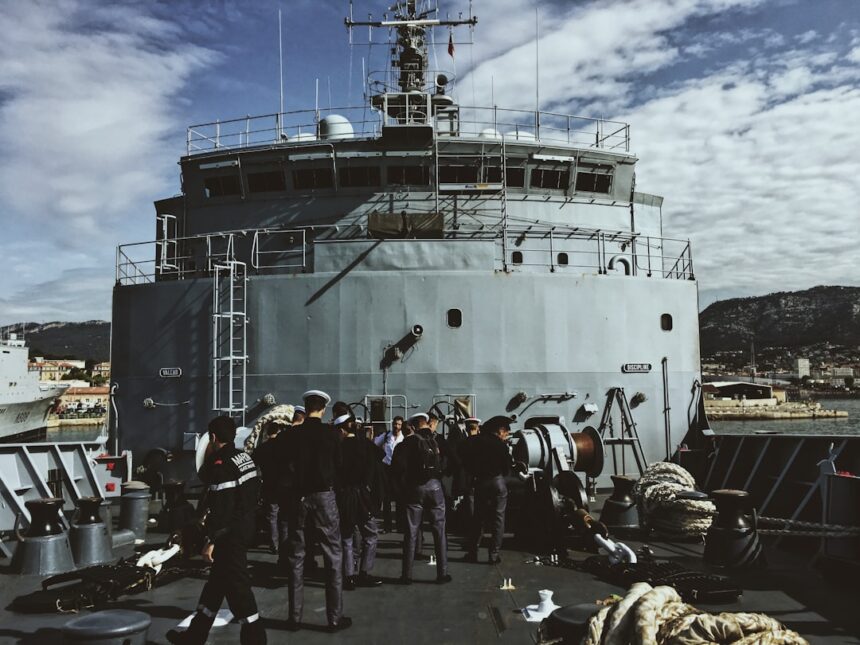
The Central Intelligence Agency (CIA) maintains a significant, though often understated, role in maritime intelligence collection and analysis. While publicly associated with espionage and covert operations on land, the vast and dynamic arena of the world’s oceans presents a unique and critical intelligence landscape. This article explores the facets of the CIA’s maritime intelligence operations, examining its historical evolution, key objectives, methodologies, and the intricate challenges it faces in securing global maritime interests.
The Agency’s involvement in maritime intelligence is not a recent development but rather a function that has evolved considerably since its inception. Initially, the focus was largely dictated by Cold War imperatives, with a particular emphasis on tracking Soviet naval movements and submarine activities. The vastness of the oceans, representing both a highway and a hidden battleground, necessitated specialized intelligence capabilities.
Early Cold War Maritime Surveillance
During the early Cold War, the CIA, often in conjunction with the U.S. Navy, engaged in overt and covert maritime surveillance. This period saw the development of various platforms and techniques, from acoustic monitoring networks to specialized reconnaissance vessels. The threat of Soviet ballistic missile submarines, for example, spurred intense intelligence efforts to understand their deployment patterns and capabilities. This era laid the groundwork for future maritime intelligence operations, establishing a foundational understanding of the complexities involved in monitoring naval power.
Post-Cold War Reorientation
Following the dissolution of the Soviet Union, the maritime intelligence landscape underwent a significant reorientation. While traditional naval threats did not vanish entirely, the Agency’s focus broadened to encompass a wider spectrum of maritime challenges. This included the proliferation of advanced naval technologies, the rise of transnational criminal organizations utilizing maritime routes, and the increasing importance of global trade and energy security. The shift demanded a more adaptable and diverse intelligence apparatus.
Contemporary Maritime Intelligence Frameworks
Today, the CIA’s maritime intelligence efforts are integrated into a broader national intelligence framework, often collaborating closely with the National Geospatial-Intelligence Agency (NGA), the National Security Agency (NSA), and various branches of the U.S. military. This collaborative approach recognizes that maritime security is a multifaceted challenge requiring a synthesis of disparate intelligence streams. The Agency’s role often involves synthesizing raw intelligence from various sources, including human intelligence (HUMINT), signals intelligence (SIGINT), and imagery intelligence (IMINT), to provide a comprehensive picture of maritime activities.
The role of the CIA in maritime intelligence gathering has become increasingly significant in recent years, particularly in the context of global security and counterterrorism efforts. For a deeper understanding of this topic, you can explore the article that discusses various aspects of maritime operations and intelligence strategies employed by the agency. To read more, visit this article.
Key Objectives of CIA’s Maritime Intelligence
The objectives of the CIA’s maritime intelligence are diverse and directly linked to national security interests. These objectives extend beyond traditional naval warfare scenarios to encompass a array of modern threats and strategic considerations.
Counter-Proliferation Efforts
One of the primary objectives is combating the proliferation of weapons of mass destruction (WMD) and their delivery systems. The vastness of the oceans can be exploited by states and non-state actors alike to traffic sensitive materials and technologies. Maritime intelligence aims to identify and interdict such illicit shipments, often involving complex intelligence gathering to track suspicious vessels, analyze shipping manifests, and predict potential transshipment points. This requires a deep understanding of global trade networks and the methods employed by illicit actors.
Tracking Transnational Criminal Organizations
Maritime routes are frequently exploited by transnational criminal organizations for activities such as drug trafficking, human smuggling, and illegal arms dealing. The CIA’s maritime intelligence efforts contribute to understanding these illicit networks, their operational methods, and their financial flows. By mapping these networks, the Agency provides critical intelligence to law enforcement and interdiction agencies, aiming to disrupt these criminal enterprises and mitigate their disruptive effects on global stability.
Protecting Global Trade and Energy Security
The world’s economy is profoundly reliant on maritime trade, with vast quantities of goods, including critical energy resources, transiting through choke points and open oceans. The CIA monitors threats to these vital arteries, including piracy, state-sponsored maritime aggression, and potential disruptions of critical sea lanes. Understanding the geopolitical implications of maritime disputes and ensuring the free flow of commerce are paramount to global economic stability. This involves analyzing geopolitical tensions, tracking significant naval deployments, and assessing the capabilities of state and non-state actors that could threaten maritime commerce.
Monitoring Geopolitical Naval Maneuvers
The deployment and activities of foreign navies are of significant intelligence interest. The Agency monitors naval exercises, ship movements, and technological developments to assess the military intentions and capabilities of other nations. This intelligence is crucial for strategic planning, understanding potential regional conflicts, and maintaining a global balance of power. This includes tracking the construction of new naval vessels, the development of advanced maritime weapon systems, and changes in naval doctrine.
Methodologies and Techniques Employed
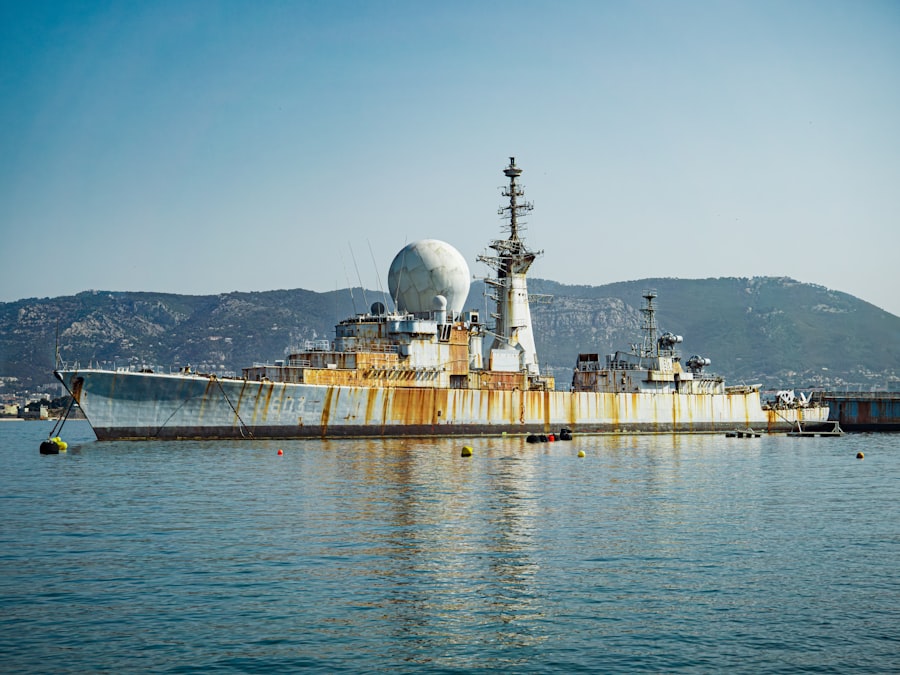
The CIA employs a sophisticated array of methodologies and techniques to gather and analyze maritime intelligence. These methods are constantly evolving to counter ever-more sophisticated adversaries and adapt to new technological advancements.
Human Intelligence (HUMINT) in Maritime Environments
HUMINT remains a cornerstone of intelligence collection, even in the vastness of the maritime domain. This can involve agents embedded within foreign maritime industries, ports, or naval establishments, or cultivating sources with access to sensitive maritime information. Consider the metaphor of a meticulously crafted net, where each strand represents a human source, cast into the unpredictable currents of global maritime activity, seeking to ensnare vital pieces of information that reveal hidden dangers or intentions. The challenges of HUMINT in this environment are considerable, given the transient nature of maritime communities and the inherent security measures surrounding naval operations.
Signals Intelligence (SIGINT) and Acoustic Data Collection
Signals intelligence, primarily conducted by the NSA but with direct input and analytical support from the CIA, plays a crucial role. This involves intercepting and analyzing electronic communications from vessels, naval bases, and related infrastructure. Acoustic data collection, particularly for tracking submarines, is also a vital component. This involves deploying a variety of sensors, both overt and covert, to detect and classify underwater signatures. These sonic whispers of the deep, when interpreted correctly, can betray the location and activity of otherwise unseen threats. The interpretation of these vast datasets requires highly specialized analytical capabilities.
Geospatial Intelligence (GEOINT) through Satellite and Aerial Platforms
Geospatial intelligence, largely managed by NGA but with significant analytical contributions from the CIA, provides a visual dimension to maritime intelligence. Satellite imagery offers broad coverage of oceans and coastal areas, identifying vessels, port activity, and infrastructure. Aerial reconnaissance, though more limited in scope, can provide higher-resolution imagery for specific targets. This allows analysts to observe patterns, identify anomalies, and track movements that might otherwise go undetected. Imagine satellites as tireless eyes in the sky, diligently observing the ebb and flow of maritime life, from the smallest dinghy to the largest aircraft carrier, providing a panoramic view of the world’s watery stage.
Open Source Intelligence (OSINT) and Data Fusion
The increasing availability of open-source information, from shipping manifests and vessel tracking data to social media and specialized maritime publications, is a valuable resource. The CIA utilizes sophisticated analytical tools to sift through this enormous volume of public information, identifying connections and insights that might complement classified intelligence. The fusion of OSINT with classified intelligence sources is crucial for painting a comprehensive picture, allowing analysts to cross-reference and validate information from multiple channels, creating a richer tapestry of understanding from disparate threads.
Challenges and Future Outlook
The field of maritime intelligence is fraught with challenges, continually evolving alongside technological advancements and geopolitical shifts.
The Vastness and Opacity of the Maritime Domain
The sheer scale of the world’s oceans presents an inherent challenge. Monitoring every vessel and every square mile of water is an impossible task. Furthermore, many maritime activities operate with a degree of opacity, designed to evade detection. The ocean acts as a natural cloak, concealing intentions and activities from inquisitive eyes. Distinguishing legitimate activity from illicit operations often requires highly nuanced analysis and a deep understanding of contextual factors.
Technological Advancements and Counter-Intelligence Measures
Adversaries are constantly developing sophisticated technologies to evade detection, including stealth vessels, advanced jamming techniques, and secure communication systems. The CIA must continually adapt its methodologies and invest in cutting-edge technologies to maintain its intelligence advantage. This is a constant technological arms race, where innovation is paramount. The intelligent use of artificial intelligence and machine learning is becoming increasingly vital to sort through and make sense of the tidal wave of data collected.
Climate Change and Emerging Threats
Climate change is introducing new maritime intelligence concerns, including the opening of new shipping routes in the Arctic, increased competition for resources, and the potential for greater instability in vulnerable coastal regions. These environmental shifts introduce new geopolitical complexities that require foresight and adaptability from the intelligence community. The melting of Arctic ice, for example, represents not just an environmental phenomenon but also a strategic geopolitical shift, opening up new naval pathways and potential areas of conflict.
The Evolving Landscape of Hybrid Warfare
The concept of hybrid warfare increasingly extends into the maritime domain, involving a blend of overt military actions, covert operations, and cyber warfare. Attribution of maritime incidents can be challenging, and the CIA plays a vital role in unraveling these complex scenarios, providing clarity amidst intentional ambiguity. Understanding the interplay between state and non-state actors in these ‘gray zone’ conflicts is critical for national security.
In conclusion, the CIA’s maritime intelligence operations represent a critical component of national security. From its roots in Cold War submarine tracking to its contemporary role in combating proliferation and protecting global trade, the Agency’s efforts are designed to provide decision-makers with the necessary insights to navigate the complex and ever-changing landscape of the world’s oceans. The challenges are formidable, but the commitment to securing the seas remains steadfast, a constant vigil against threats both visible and unseen, ensuring the enduring currents of global stability can continue to flow.
WATCH NOW ▶️ The CIA’s Impossible Mission To Steal A Nuclear Submarine
FAQs
What is CIA maritime intelligence gathering?
CIA maritime intelligence gathering refers to the collection and analysis of information related to maritime activities, including shipping routes, naval operations, and maritime security threats, conducted by the Central Intelligence Agency to support U.S. national security interests.
Why does the CIA focus on maritime intelligence?
The CIA focuses on maritime intelligence because the world’s oceans are critical for global trade, military strategy, and national security. Monitoring maritime activities helps detect illegal trafficking, piracy, potential military threats, and other activities that could impact U.S. interests.
What methods does the CIA use for maritime intelligence gathering?
The CIA employs a variety of methods for maritime intelligence gathering, including satellite surveillance, signals intelligence (SIGINT), human intelligence (HUMINT), reconnaissance aircraft, and collaboration with other intelligence agencies and maritime organizations.
How does maritime intelligence support U.S. military operations?
Maritime intelligence provides the U.S. military with real-time information on naval movements, potential threats, and maritime chokepoints. This intelligence aids in strategic planning, threat assessment, and ensuring the safety of naval and commercial vessels.
Is CIA maritime intelligence gathering conducted internationally?
Yes, CIA maritime intelligence gathering is conducted globally, as maritime activities often cross international boundaries. The CIA monitors international waters and collaborates with allied nations to track and counter threats that could affect U.S. and allied maritime security.