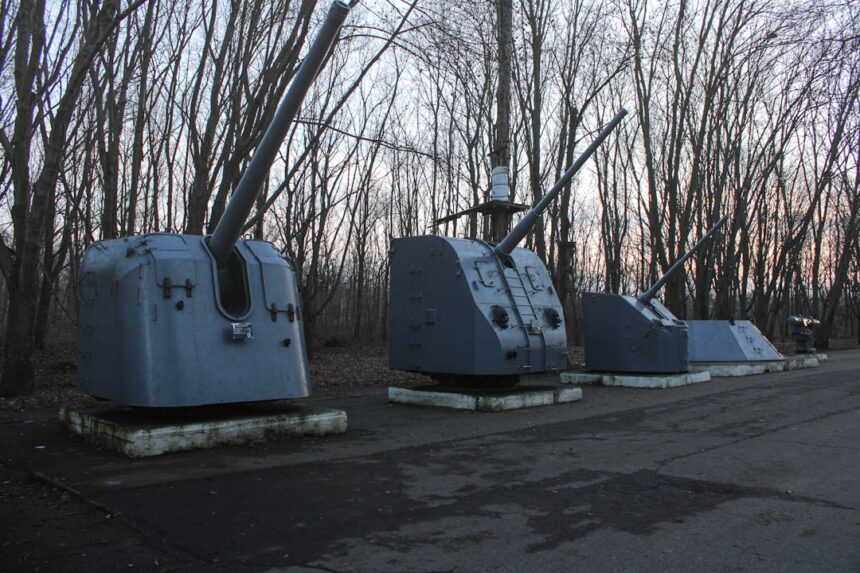
The ocean’s depths hold a chilling secret, a silent testament to human ambition and the ever-present specter of nuclear annihilation. Among the vast, unexplored trenches and crushing pressures lie a collection of lost Soviet nuclear warheads, a forgotten armada of destruction resting on the seabed. These are not simply discarded relics; they are potent weapons, each a coiled viper lying dormant, a potent reminder of a Cold War that brought humanity to the precipice of oblivion.
The Cold War, a geopolitical chess match played out on a global scale, was characterized by an unprecedented arms race. Both the United States and the Soviet Union amassed arsenals of unimaginable destructive power, a nuclear Sword of Damocles hanging over the world. For decades, the threat of mutual assured destruction (MAD) kept the primary antagonists in a tense, albeit wary, peace. However, this fragile balance was maintained by the constant development, deployment, and, at times, the loss of these immensely powerful weapons. The Soviet Union, in particular, faced significant challenges in managing its vast and, at times, technologically immature nuclear inventory.
The Rise of the Soviet Nuclear Program
Following World War II, the Soviet Union, under the leadership of Joseph Stalin, embarked on an ambitious program to develop nuclear weapons. Driven by a desire to counter American superiority and project its influence, Soviet scientists and engineers worked tirelessly, eventually detonating their first atomic bomb in 1949. This marked a pivotal moment, escalating the ideological struggle and initiating the nuclear arms race in earnest.
Early Developments and Testing
The initial Soviet nuclear program was a monumental undertaking, requiring vast resources and scientific ingenuity. Pioneers like Igor Kurchatov played a crucial role in guiding the research and development efforts. The early days were marked by the development of rudimentary fission bombs, followed swiftly by the pursuit of more powerful thermonuclear weapons. Testing was paramount, pushing the boundaries of scientific understanding and, unfortunately, contributing to radioactive contamination in various locations across the Soviet Union.
The Expansion of the Arsenal
As the Cold War intensified, so too did the Soviet nuclear arsenal. The focus shifted from mere deterrence to the development of a diverse range of delivery systems, including intercontinental ballistic missiles (ICBMs), submarine-launched ballistic missiles (SLBMs), and strategic bombers. This expansion was driven by the constant need to maintain parity with or gain an advantage over the United States, creating a complex and ever-growing web of nuclear capabilities.
The Scale of Soviet Nuclear Deployment
The sheer scale of Soviet nuclear deployment during the Cold War is difficult to fully comprehend. At its peak, the Soviet Union possessed thousands of nuclear warheads, distributed across a vast territory and integrated into various strategic platforms. This massive inventory represented an unprecedented concentration of destructive potential.
ICBMs and Strategic Bombers
Intercontinental ballistic missiles were the backbone of Soviet nuclear strategy, capable of delivering warheads across vast distances. These land-based giants, along with a formidable fleet of strategic bombers, formed the first line of nuclear offense. The constant readiness of these systems contributed to the perpetual tension of the Cold War era.
The Submarine Force and SLBMs
The Soviet Union also invested heavily in its submarine fleet, particularly in the development of nuclear-powered submarines equipped with ballistic missiles. These Silent Service vessels offered a significant strategic advantage, providing a survivable second-strike capability and extending the reach of Soviet nuclear power. The deployment of SLBMs added a crucial dimension to the nuclear balance.
The mystery surrounding Soviet nuclear warheads lost at sea has intrigued historians and military analysts for decades. An insightful article that delves into this topic is available at In the War Room, where it explores the circumstances of these incidents and the implications for global security. The article provides a comprehensive overview of the various nuclear weapons that went missing during the Cold War and the ongoing efforts to locate and secure them.
Accidents, Mishaps, and the Unforeseen
The vastness of the Soviet nuclear program, coupled with the inherent dangers of handling such potent weapons, inevitably led to accidents and mishaps. These were often shrouded in secrecy, buried beneath layers of official denial and propaganda. However, the reality is that these incidents, even if unreported, contributed to the presence of lost warheads on the ocean floor.
Operational Losses and Disappearances
During routine operations, training exercises, and even strategic deployments, Soviet submarines carrying nuclear warheads sometimes encountered unforeseen circumstances. Mechanical failures, navigational errors, and even collisions could lead to a submarine sinking, taking its deadly payload to the depths. The vastness of the ocean provided a convenient, albeit terrifying, repository for these lost assets.
Submarine Disasters
Several notable submarine disasters involved vessels carrying nuclear weapons. The loss of K-19 in 1961, during a naval exercise, stands as a stark reminder of the risks involved. While the warheads were reportedly recovered, the incident highlighted the vulnerability of these vessels and the potential for loss. The sinking of K-8 in 1968, also with nuclear weapons onboard, further underscored the dangers. The fate of these submarines and their potential cargo became a lingering concern.
Training and Exercises
Even during seemingly routine training exercises, accidents could occur. The complex nature of submarine operations, particularly in challenging maritime environments, increased the risk of incidents. These events, even if minor, could contribute to a warhead being lost or becoming inaccessible at the bottom of the sea.
The Dismantling and Disposal Dilemma
The end of the Cold War brought a new set of challenges. The vast Soviet and later Russian nuclear arsenals needed to be managed, and a significant portion were earmarked for dismantling. This process, while crucial for reducing the global nuclear threat, was not without its own risks and inefficiencies, leading to the potential for lost or unaccounted-for warheads.
Early Dismantling Efforts
The initial stages of nuclear disarmament and dismantling were often rushed and conducted under immense pressure. Resources were stretched, and protocols may not have been as robust as they are today. This created a window of opportunity for errors, miscalculations, and potential loss of components.
The Sinking of Submarines During Decommissioning
A particularly concerning aspect of this period was the practice of sinking decommissioned submarines, sometimes with nuclear warheads still aboard or partially dismantled. The logic was often to save on dismantling costs and reduce the security burden. However, this practice effectively abdicated responsibility for these weapons, consigning them to the silent, inaccessible depths of the ocean.
The Seabed Repository: A Silent Threat

The ocean floor, once a pristine frontier, has become an unintended graveyard for a significant number of Soviet nuclear warheads. These lost weapons represent a persistent threat, a coiled snake in the bosom of the deep. Their presence poses environmental risks and raises specters of potential recovery and misuse.
Types of Lost Warheads and Their Locations
The warheads lost at sea are not uniform. They represent a variety of designs and yield capacities, reflecting the evolution of Soviet nuclear technology. The locations of these losses are also diverse, ranging from the Arctic Ocean to the depths of the Pacific. Pinpointing the exact locations and number of these lost weapons is a formidable challenge, often relying on intelligence reports, naval records, and salvage efforts.
Strategic Ballistic Missiles
Many of the lost warheads were initially housed within Intercontinental Ballistic Missiles (ICBMs) and Submarine-Launched Ballistic Missiles (SLBMs). When the missiles themselves failed during launch or during submarine accidents, entire warheads, or significant portions thereof, could be lost. These heavy objects, encased in their missile casings, would descend to the seabed, often in deep water.
Cruise Missiles and Tactical Nuclear Weapons
Beyond the strategic missiles, there is also the possibility of lost cruise missiles and tactical nuclear weapons. These were deployed on naval vessels and could have been lost in naval engagements, accidents at sea, or during clandestine operations. The precise number and location of these smaller, but still potent, nuclear devices are even less well-documented.
Environmental Concerns
The presence of decaying nuclear warheads on the seabed poses a significant, albeit currently low-level, environmental risk. While modern warheads are designed to be relatively stable, over extended periods, radiation leakage and the release of hazardous materials are concerns. The slow decay of these weapons acts as a subtle poison, a ticking clock in the marine ecosystem.
Radiation Leakage
The casings of nuclear warheads are designed to contain the radioactive materials for a considerable period. However, corrosion, damage from the environment, and natural decay processes can eventually lead to the release of radioactive isotopes into the surrounding seawater. While the dispersal in the vast ocean dilutes the immediate impact, the long-term accumulation in the marine food chain is a theoretical concern.
Seabed Contamination
In the immediate vicinity of a lost warhead, localized seabed contamination is a more direct concern. The release of heavy metals and radioactive byproducts can create persistent hot spots, impacting benthic organisms and potentially entering the food web at its base. The long-term ecological consequences of such contamination are still being studied.
Recovery Efforts and Their Challenges

The daunting task of locating and recovering lost nuclear warheads has been undertaken by various nations, primarily Russia. These operations are incredibly complex, dangerous, and costly, requiring specialized equipment, skilled personnel, and a high degree of international cooperation. The ocean floor is a formidable adversary, and retrieving these “sleeping dragons” is a Herculean effort.
Russian Recovery Operations
Russia, as the successor state to the Soviet Union, has borne the primary responsibility for dealing with its lost nuclear inventory. These recovery missions are often undertaken with limited resources and face significant technical hurdles. The cost of these operations has been a considerable drain on the Russian budget.
The K-141 Kursk Disaster
The sinking of the K-141 Kursk submarine in 2000, with its full complement of torpedoes, some of which were nuclear-tipped, brought the issue of lost nuclear weapons into stark relief. While the primary focus of the recovery efforts was the submarine itself, the presence of nuclear weapons onboard added an immense layer of complexity and international concern.
Operation “Peaceful Ocean” and Other Initiatives
Various initiatives, some under official names like “Peaceful Ocean,” have been launched to survey potential sites and attempt recovery. These operations often involve sophisticated sonar equipment, remotely operated vehicles (ROVs), and specialized salvage vessels. The success of these missions has been varied, with some partial successes and many continued challenges.
International Cooperation and Assistance
The global implications of lost nuclear weapons have led to calls for and instances of international cooperation. Countries with advanced salvage and nuclear expertise have, at times, offered assistance to Russia. This collaboration is crucial for ensuring that these dangerous relics are managed responsibly, minimizing the risk to the global community.
United States Assistance
The United States, despite being the historical rival, has provided technical expertise and financial assistance for some Russian recovery operations, particularly in areas of mutual concern related to nuclear safety and proliferation. The shared understanding of the inherent danger of these lost weapons has fostered a degree of pragmatic cooperation.
Joint Surveys and Research
International collaboration has also extended to joint surveys and research efforts. Scientists from various nations have worked together to develop better methods for locating and assessing the condition of submerged nuclear materials, contributing to a more comprehensive understanding of the problem.
The mystery surrounding Soviet nuclear warheads lost at sea has intrigued historians and military analysts for decades. These incidents raise significant questions about the safety and security of nuclear materials during the Cold War era. For a deeper understanding of this topic, you can explore a related article that delves into the details of these lost warheads and their potential implications. To read more, visit this insightful article that sheds light on the complexities of nuclear security and the historical context of these events.
The Future of Lost Warheads: A Looming Question
| Incident | Year | Location | Number of Warheads Lost | Cause | Recovery Status |
|---|---|---|---|---|---|
| K-8 Submarine Incident | 1970 | Bay of Biscay | 2 | Fire onboard leading to sinking | Not recovered |
| K-219 Submarine Incident | 1986 | Atlantic Ocean near Bermuda | 4 | Missile tube explosion and sinking | Not recovered |
| K-278 Komsomolets Incident | 1989 | Norwegian Sea | 2 | Fire and sinking | Not recovered |
| K-219 (1986) – Additional Warheads | 1986 | Atlantic Ocean near Bermuda | 2 | Same incident as above, additional warheads lost | Not recovered |
The question of what to do with the lost Soviet nuclear warheads remains a persistent and unsettling one. While recovery efforts continue, the sheer scale of the problem and the inherent difficulties suggest that many of these weapons will likely remain on the seabed for the foreseeable future. This necessitates ongoing monitoring and a long-term strategy for mitigating potential risks.
The Risk of Proliferation and Recovery by Non-State Actors
The specter of non-state actors attempting to recover these lost warheads is a chilling, albeit currently low-probability, scenario. The immense destructive power contained within these weapons makes them a tempting target for extremist groups seeking to inflict catastrophic damage. The difficulty of detection and retrieval makes the ocean floor a potentially attractive, albeit extremely challenging, source.
Security Concerns and Monitoring
The ongoing security of the sites where warheads are known or suspected to be located is a paramount concern. While Russian naval patrols and monitoring capabilities are in place, the vastness of the ocean presents a significant challenge. Ensuring that these weapons remain undisturbed and inaccessible is a constant undertaking.
The Implications of Advanced Salvage Technology
As salvage technology advances, the possibility of a determined group or nation acquiring the means to recover these warheads becomes a more tangible, though still distant, concern. This necessitates a proactive approach to intelligence gathering and a robust international framework for preventing the proliferation of such advanced salvage capabilities for nefarious purposes.
Long-Term Management and Monitoring
Given the practical limitations of full recovery, a long-term strategy for managing and monitoring these lost warheads is essential. This involves continued research into their condition, the development of improved detection and assessment technologies, and sustained international dialogue. The ocean, in this context, becomes a silent guardian, but one that requires constant vigilance.
Environmental Monitoring and Impact Assessment
Ongoing environmental monitoring of areas where warheads are known to exist is crucial. This includes regular assessment of radiation levels, water quality, and the health of marine ecosystems. Understanding the long-term environmental impact is vital for informing future strategies and mitigating any potential harm.
Research into Warhead Stability and Decay
Continued research into the long-term stability of various Soviet-era warhead designs is also important. Understanding how these weapons degrade over time, the rate of leakage of radioactive materials, and the potential for unforeseen chemical reactions is essential for accurate risk assessment. This scientific endeavor is a race against time, as the weapons themselves are not static.
The lost Soviet nuclear warheads on the ocean floor are a somber legacy of a perilous era. They are not merely historical footnotes but potent reminders of the destructive potential humanity has unleashed. Their silent vigil on the seabed serves as a perpetual call for caution, a stark testament to the imperative of nuclear disarmament and the enduring need for responsible stewardship of the weapons that have the power to reshape our world. The depths of the ocean hold their secrets, and humanity must ensure that these secrets remain buried, a testament to a danger narrowly averted.
WATCH NOW ▶️ The CIA’s Impossible Mission To Steal A Nuclear Submarine
FAQs
What were the Soviet nuclear warheads lost at sea?
The Soviet nuclear warheads lost at sea refer to several incidents during the Cold War when the Soviet Union lost nuclear weapons or warheads in maritime accidents, such as submarine sinkings or naval mishaps.
How many Soviet nuclear warheads were lost at sea?
Exact numbers are uncertain due to secrecy, but it is estimated that the Soviet Union lost dozens of nuclear warheads in various incidents, including submarine sinkings like the K-219 and K-8.
Where did these losses occur?
Most losses occurred in the Arctic Ocean, the Barents Sea, and other northern maritime regions where Soviet submarines operated during the Cold War.
What risks do lost Soviet nuclear warheads pose?
Lost nuclear warheads pose environmental risks due to potential radioactive leakage and security concerns if recovered by unauthorized parties, although many are believed to be safely contained underwater.
Have any lost Soviet nuclear warheads been recovered?
Some warheads and submarine wreckage have been partially recovered or surveyed by Russian authorities, but many remain on the seabed and have not been retrieved due to technical and safety challenges.