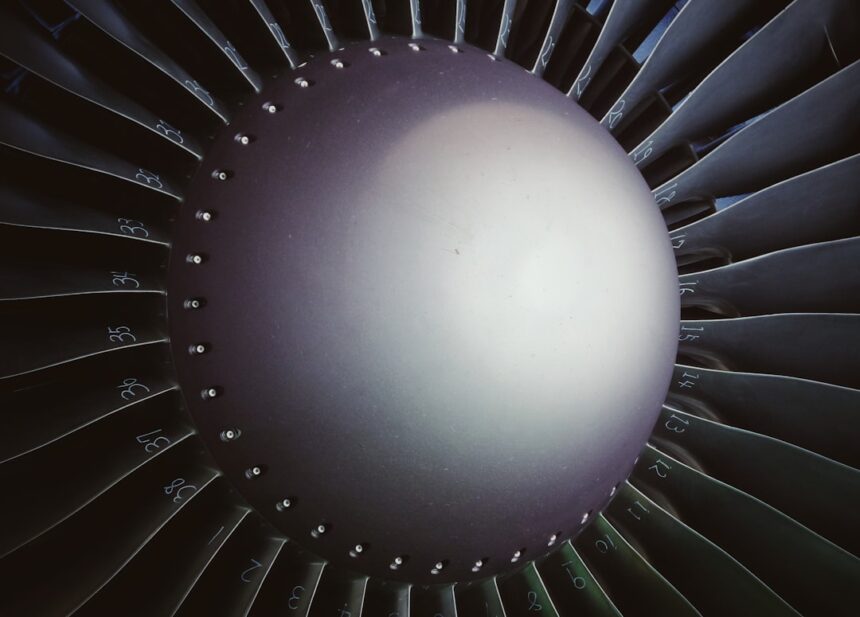
The inception of jet propulsion technology marked a pivotal moment in the history of aviation and warfare. The concept of using jet engines to propel aircraft can be traced back to the early 20th century, when pioneers like Sir Frank Whittle in the United Kingdom and Hans von Ohain in Germany began experimenting with turbojet designs. Whittle’s work, which began in the 1920s, was driven by a vision of creating a more efficient means of flight that could overcome the limitations of piston engines.
His relentless pursuit of innovation culminated in the first successful test of a turbojet engine in 1937, laying the groundwork for a new era in aviation. Simultaneously, across the English Channel, von Ohain was developing his own jet engine, which powered the Heinkel He 178, the world’s first jet-powered aircraft, in 1939. This groundbreaking achievement demonstrated the potential of jet propulsion to revolutionize air travel and military capabilities.
The combination of Whittle’s and von Ohain’s contributions not only showcased the feasibility of jet engines but also ignited a fierce competition among nations to harness this technology for military advantage. As World War II loomed on the horizon, the race to develop jet propulsion technology became a matter of national pride and strategic necessity.
Key Takeaways
- Jet propulsion technology revolutionized aircraft design and warfare during World War II.
- The Battle of Britain showcased the significant impact of jet propulsion on military strategy and air combat.
- Germany and the United States played pivotal roles in the development of jet propulsion technology during the war.
- Jet propulsion offered advantages such as increased speed and altitude, but also posed challenges in terms of fuel consumption and maintenance.
- The legacy of jet propulsion in WWII and beyond continues to influence modern warfare and post-war aviation.
The Impact of Jet Propulsion on Aircraft Design
The advent of jet propulsion fundamentally transformed aircraft design, leading to innovations that would redefine speed, altitude, and maneuverability. Unlike traditional piston engines, which relied on propellers and were limited by their mechanical constraints, jet engines allowed for streamlined designs that could achieve higher speeds and greater efficiency. Aircraft engineers began to rethink aerodynamics, focusing on sleek fuselages and swept-back wings that could minimize drag and maximize performance.
This shift in design philosophy not only enhanced the capabilities of military aircraft but also paved the way for commercial aviation advancements. Moreover, the introduction of jet propulsion necessitated new materials and technologies to withstand the extreme conditions encountered at high speeds and altitudes. Engineers experimented with lightweight alloys and heat-resistant materials to ensure that aircraft could endure the stresses of jet flight.
The result was a new generation of fighter jets and bombers that could operate at altitudes previously thought unattainable. This evolution in aircraft design not only improved combat effectiveness but also set the stage for future developments in aviation, influencing everything from commercial airliners to space exploration vehicles.
The Role of Jet Propulsion in the Battle of Britain
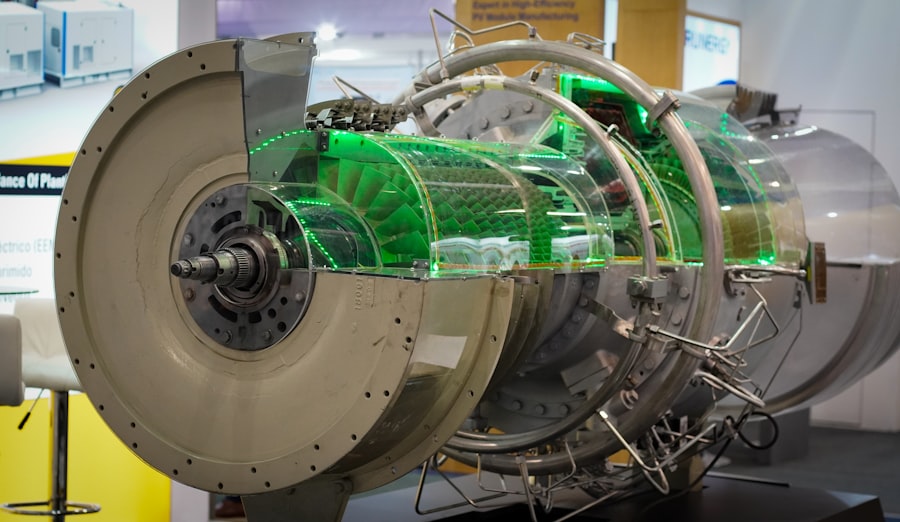
During World War II, the Battle of Britain emerged as a critical turning point in the conflict, showcasing the strategic importance of air superiority. Jet propulsion played a significant role in this aerial confrontation, particularly with the introduction of the Messerschmitt Me 262, the world’s first operational jet fighter. Deployed by the Luftwaffe in 1944, the Me 262 boasted remarkable speed and agility, allowing it to outmaneuver its piston-engine counterparts.
Its presence on the battlefield forced Allied forces to adapt their tactics and strategies in response to this new threat. The impact of jet propulsion during this pivotal battle extended beyond mere speed; it also influenced the psychological dynamics of aerial combat. The sight and sound of jet fighters instilled fear among enemy pilots and ground forces alike.
The Me 262’s ability to engage Allied bombers with unprecedented efficiency underscored the necessity for rapid advancements in air defense systems. As a result, both sides recognized that control of the skies would be paramount in determining the outcome of the war, leading to an intensified focus on developing countermeasures against jet-powered aircraft.
The Development of Jet Propulsion in Germany and the United States
| Aspect | Germany | United States |
|---|---|---|
| First Jet Engine | Hans von Ohain (1939) | Frank Whittle (1937) |
| Early Applications | Heinkel He 178 (1939) | Bell P-59 Airacomet (1942) |
| World War II Contributions | Me 262, Arado Ar 234 | P-80 Shooting Star |
| Post-War Developments | Concentrated on commercial aviation | Emphasis on military and commercial applications |
The development of jet propulsion technology during World War II was characterized by significant advancements in both Germany and the United States. In Germany, engineers like von Ohain continued to refine turbojet designs, resulting in a series of innovative aircraft that pushed the boundaries of speed and performance. The Luftwaffe’s investment in jet technology reflected its commitment to maintaining air superiority, even as the war turned against them.
However, despite their technological prowess, logistical challenges and resource shortages ultimately hindered Germany’s ability to fully capitalize on their advancements. In contrast, the United States approached jet propulsion development with a more collaborative mindset. American engineers built upon European innovations while also investing heavily in research and development.
The introduction of the Bell P-59 Airacomet marked America’s first foray into jet-powered flight, although it lagged behind its German counterparts in terms of performance. Nevertheless, as resources became more readily available later in the war, American manufacturers ramped up production of advanced jet fighters like the Lockheed P-80 Shooting Star. This competitive spirit between nations fueled rapid advancements in jet propulsion technology that would shape post-war aviation.
The Advantages and Disadvantages of Jet Propulsion in Warfare
Jet propulsion brought with it a host of advantages that significantly altered the landscape of warfare. One of the most notable benefits was speed; jet-powered aircraft could reach velocities that were previously unimaginable, allowing them to engage or disengage from combat rapidly. This newfound speed provided tactical advantages during aerial engagements, enabling pilots to strike quickly and retreat before enemy forces could respond effectively.
Additionally, jets could operate at higher altitudes, giving them a strategic edge over ground-based defenses. However, despite these advantages, jet propulsion also presented several disadvantages that military strategists had to contend with. The complexity of jet engines required extensive maintenance and specialized training for pilots and ground crews alike.
Furthermore, early jet engines were often less reliable than their piston-engine counterparts, leading to concerns about mechanical failures during critical missions. The high fuel consumption associated with jet propulsion also posed logistical challenges, necessitating careful planning for fuel supply lines during operations.
The Influence of Jet Propulsion on Military Strategy
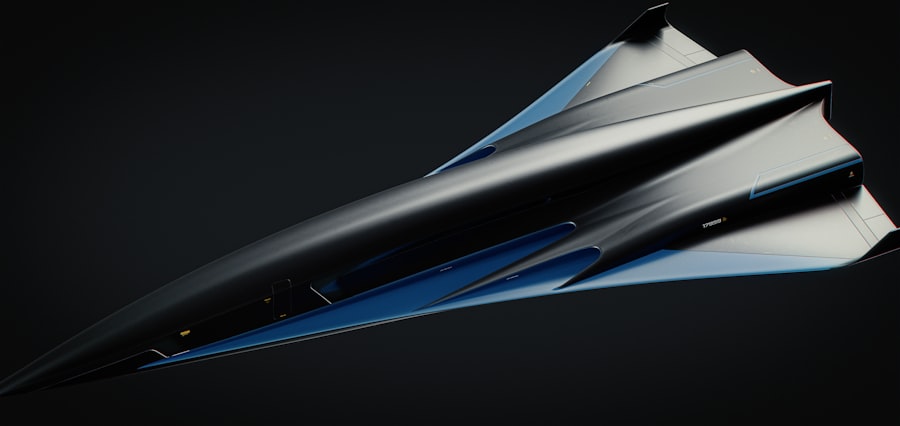
The emergence of jet propulsion technology fundamentally reshaped military strategy during World War II and beyond. As nations recognized the advantages offered by jet-powered aircraft, they began to prioritize air superiority as a central tenet of their military doctrines. The ability to deploy fast and agile jets allowed for more dynamic strategies that emphasized rapid strikes and quick responses to enemy movements.
This shift in focus led to an increased investment in air forces and aerial combat training programs. Moreover, the influence of jet propulsion extended beyond individual engagements; it also impacted broader strategic considerations such as resource allocation and international alliances. Nations sought to develop advanced air capabilities not only for defense but also as a means of projecting power on a global scale.
The race for supremacy in jet technology became intertwined with geopolitical rivalries, as countries recognized that control over advanced aviation capabilities could determine their standing on the world stage.
The Evolution of Jet Propulsion in the Allied and Axis Forces
The evolution of jet propulsion technology during World War II was marked by distinct trajectories within both Allied and Axis forces. While Germany initially led the way with its pioneering designs like the Me 262, Allied forces quickly adapted and innovated in response to this emerging threat. The United States’ commitment to research and development resulted in significant advancements that culminated in successful operational jets by war’s end.
This competitive dynamic spurred rapid technological progress on both sides. As the war progressed, both Allied and Axis forces recognized that mastering jet propulsion was essential for future conflicts. The lessons learned from early jet operations informed subsequent designs and strategies, leading to improvements in performance, reliability, and combat effectiveness.
By war’s conclusion, both sides had laid the groundwork for a new era of aviation that would continue to evolve long after hostilities ceased.
The Legacy of Jet Propulsion in WWII and Beyond
The legacy of jet propulsion technology established during World War II reverberated through subsequent decades, shaping not only military aviation but also commercial air travel. The innovations born from wartime research laid the foundation for modern jetliners that transformed global travel into an accessible reality for millions. Furthermore, military applications continued to evolve as nations invested heavily in developing advanced fighter jets capable of operating at supersonic speeds.
In addition to its practical applications, the legacy of jet propulsion also influenced popular culture and public perception of aviation. The image of sleek jets soaring through the skies became synonymous with progress and modernity, capturing the imagination of generations. As nations embraced this new technology, it became emblematic of human ingenuity and ambition—a testament to what could be achieved through innovation.
The Impact of Jet Propulsion on Post-War Aviation
In the aftermath of World War II, jet propulsion technology catalyzed a revolution in aviation that transformed both military and civilian sectors. The introduction of commercial jets like the Boeing 707 marked a significant milestone in air travel history, enabling airlines to offer faster and more efficient services across long distances. This shift not only made air travel more accessible but also contributed to globalization by connecting people and cultures like never before.
On the military front, nations continued to invest heavily in developing advanced jet fighters capable of meeting new threats posed by emerging technologies such as missiles and supersonic aircraft. The Cold War era saw an arms race characterized by rapid advancements in aviation capabilities as countries sought to maintain air superiority over their adversaries. Jet propulsion became synonymous with power projection and deterrence strategies as nations recognized its critical role in modern warfare.
The Future of Jet Propulsion in Warfare
As technology continues to advance at an unprecedented pace, the future of jet propulsion in warfare remains a topic of intense interest among military strategists and engineers alike. Emerging technologies such as hypersonic flight promise to push the boundaries even further, potentially rendering current aircraft designs obsolete within decades.
Moreover, advancements in artificial intelligence (AI) are poised to revolutionize how jets are operated on the battlefield. Autonomous systems may soon complement or even replace human pilots in certain scenarios, allowing for more complex missions without risking lives. As these technologies converge with traditional jet propulsion capabilities, they will undoubtedly reshape military strategies and redefine what is possible within aerial combat.
The Ethical and Moral Implications of Jet Propulsion in Modern Warfare
The ethical implications surrounding jet propulsion technology cannot be overlooked as nations grapple with its impact on modern warfare. While advancements have undoubtedly enhanced military capabilities, they have also raised questions about accountability and civilian casualties during conflicts involving advanced aerial systems. The ability to strike targets with precision from great distances has led some to argue that it may desensitize decision-makers to the consequences of warfare.
Furthermore, as nations continue to develop increasingly sophisticated aerial technologies—including drones equipped with jet propulsion—concerns about surveillance and privacy have emerged alongside discussions about ethical warfare practices. Balancing national security interests with humanitarian considerations remains a complex challenge for policymakers navigating this rapidly evolving landscape. Ultimately, as societies reflect on their values regarding warfare and technology’s role within it, they must confront difficult questions about responsibility—both for those who wield these powerful tools and for those affected by their use.
During World War II, jet propulsion technology marked a significant advancement in aviation, revolutionizing the speed and capabilities of military aircraft. This period saw the development and deployment of the first operational jet-powered fighter aircraft, such as the German Messerschmitt Me 262, which dramatically altered aerial combat dynamics. For a deeper dive into the intricacies of jet propulsion technology during this era, you can explore a related article on the topic by visiting In The War Room. This resource provides comprehensive insights into the technological breakthroughs and strategic implications of jet propulsion in WWII.
WATCH THIS! 🪖How Stolen Nazis Built Cold War Power
FAQs
What is jet propulsion technology in WW2?
Jet propulsion technology in WW2 refers to the development and use of jet engines for aircraft during World War II. This technology allowed for faster and more powerful aircraft, leading to significant advancements in military aviation.
When was jet propulsion technology first used in WW2?
The first operational jet-powered aircraft used in combat during WW2 was the German Messerschmitt Me 262, which first flew in 1942 and entered service in 1944.
How did jet propulsion technology impact WW2?
Jet propulsion technology had a significant impact on WW2 by providing faster and more maneuverable aircraft for military use. This technology allowed for improved air combat capabilities and changed the dynamics of aerial warfare.
Which countries developed jet propulsion technology during WW2?
Germany was the first country to develop and deploy jet propulsion technology during WW2, with the Messerschmitt Me 262 being the first operational jet-powered aircraft. The Allies, including the United States and the United Kingdom, also developed their own jet engines during the war.
What were some key advancements in jet propulsion technology during WW2?
Key advancements in jet propulsion technology during WW2 included the development of more powerful and efficient jet engines, as well as the integration of jet-powered aircraft into military operations. These advancements laid the groundwork for the post-war era of jet aviation.