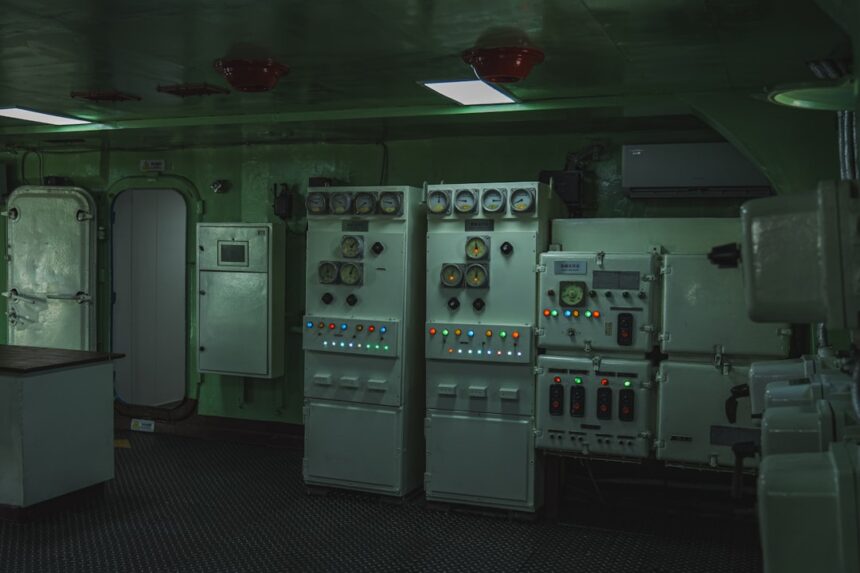
Here is an article, written in the third person, about the lost Soviet submarine K-129:
The silent abyss holds many secrets, and few are as compelling as that of the Soviet submarine K-129. This formidable diesel-electric boat, a veteran of the Cold War, vanished without a trace in 1968, taking all 98 souls aboard to an unknown watery grave. Its disappearance sparked a desperate search by the Soviet Navy, a race against time and the crushing pressure of the deep. But beyond the immediate tragedy, the K-129’s fate became a flashpoint of espionage, technological prowess, and a daring clandestine operation that pushed the boundaries of what was thought possible in the unforgiving ocean depths.
The K-129 was a Golf-II class (Project 629A) diesel-electric submarine, a potent weapon in the Soviet Union’s expanding underwater arsenal during the height of the Cold War. These submarines were designed for strategic deterrence, capable of carrying nuclear ballistic missiles and posing a significant threat to Western naval powers. The K-129, commissioned in 1959, had already served a decade patrolling the Pacific Ocean, a grey phantom beneath the waves, its existence a constant shadow in the strategic calculations of the United States.
The Strategic Significance of Ballistic Missile Submarines
By the 1960s, nuclear submarines had become the apex predators of naval warfare. Their ability to remain submerged for extended periods and launch nuclear missiles from a hidden position made them a vital component of any nuclear triad. The Golf-II class, though diesel-electric and thus requiring more frequent surfacing for air and battery charging, still represented a serious deterrent. The K-129, as one of these vessels, was an integral part of the Soviet’s ability to project power and retaliate in the event of a nuclear conflict. Its patrols were not mere exercises; they were vital rehearsals for apocalyptic scenarios, each surfacing and submerging a calculated risk in the grand chessboard of global politics.
A Routine Patrol or Something More?
In early 1968, the K-129 embarked on what appeared to be a routine patrol in the Pacific Ocean. Its mission was classified, as are most operations of such strategic importance. However, it is widely believed that the submarine was tasked with monitoring the activities of the US Navy, particularly its submarine fleet, and potentially preparing for missile launch drills. The specifics of its exact deployment remain shrouded in the fog of Soviet secrecy, a deliberately maintained mystique that fueled speculation and conjecture for decades. It was a predator venturing into its rival’s hunting grounds, a silent hunter in the vast, indifferent ocean.
For those interested in the mysterious history surrounding the Soviet submarine K-129 and its crew list, a related article can provide further insights into the events leading up to its tragic sinking. You can explore more about the submarine’s mission and the implications of its loss in the article available at this link.
The Abrupt Silence: K-129 Vanishes
On March 8, 1968, the K-129 stopped transmitting. Its scheduled radio check-ins ceased, and a gnawing silence descended where there had previously been the rhythmic pulse of communication. This was not a minor deviation from a schedule; it was a deafening void that signaled a grave emergency. The Soviet Navy, accustomed to the predictable ebb and flow of submarine operations, immediately recognized the gravity of the situation. A submarine vanishing from the operational grid was akin to a star abruptly blinking out of existence in the celestial sphere, leaving behind only unanswered questions and growing anxiety.
The Soviet Search Effort: A Frantic Undertaking
The Soviet Union launched an extensive search operation, mobilizing its considerable naval assets in the Pacific. Ships crisscrossed the presumed patrol area, sonar systems scanned the depths, and aircraft surveyed the ocean’s surface. However, the sheer vastness of the Pacific Ocean proved to be an insurmountable challenge. It is a graveyard of countless ships and aircraft, its depths a labyrinthine expanse where even the most sophisticated search patterns could feel like searching for a single grain of sand on an infinite beach. Despite their efforts, the K-129 remained elusive, swallowed by the immensity of the sea.
The U.S. Navy’s Eavesdropping: “Big Sound” and the Clues
Unbeknownst to the Soviets for some time, the United States intelligence community had also been alerted to the K-129’s disappearance. Through its sophisticated intelligence gathering networks, including the Sound Surveillance System (SOSUS), which was a crucial component of its Cold War eavesdropping capabilities, the US Navy had detected a series of unusual underwater sounds in the vicinity of the K-129’s last known position. These “Big Sound” events, as they were internally known, were attributed to a possible explosion. This critical piece of intelligence, however, was not immediately shared with the Soviets, highlighting the complex and often adversarial nature of intelligence sharing during the Cold War. The US listened to the ocean’s whispers, catching fragments of its secrets before the Soviets even knew the full story.
The American Discovery: Operation Ivy Mike and the Unveiling of a Wreck
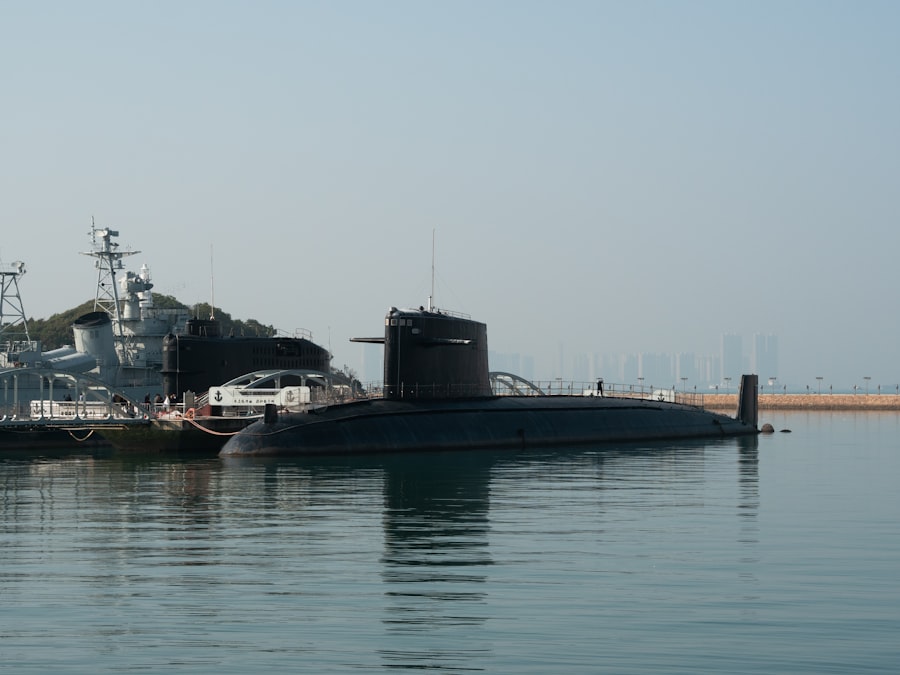
The US Navy, armed with its intercepted acoustic data and a keen strategic interest in Soviet submarine capabilities, initiated its own covert search for the K-129. This quest culminated in the audacious and highly classified Operation Ivy Mike, a groundbreaking salvage operation that aimed to raise a significant portion of the sunken submarine from the ocean floor. The discovery of the K-129 wreck in 1970, at a depth of approximately 16,000 feet, was a monumental achievement, a testament to American engineering and, perhaps, a touch of dark serendipity.
The Depth and the Challenge: A Tomb 16,000 Feet Down
The K-129 rested on the abyssal plain, a realm of crushing pressure and perpetual darkness. The sheer depth presented an unprecedented engineering challenge. At 16,000 feet, the water pressure is immense, capable of turning even the most robust steel into a crushed can. The US Navy’s solution was a colossal vessel named the Glomar Explorer, a ship specifically designed for deep-sea salvage operations, equipped with a massive grappling arm and a complex lifting system. The ocean’s floor was a formidable adversary, an opponent that demanded nothing less than absolute technological dominance.
Operation Ivy Mike: A Technical Marvel of Salvage
Operation Ivy Mike was a carefully orchestrated ballet of engineering and espionage. The Glomar Explorer used a massive, C-shaped clamp, known as a “capture vehicle,” to grip the midsection of the K-129. The process was agonizingly slow and fraught with peril. Any miscalculation, any slip of the clamp, and the entire operation could have failed, leaving the K-129 to remain a tantalizing, but inaccessible, enigma. The success of lifting even a portion of the submarine from such extreme depths was a feat of human ingenuity, a testament to the lengths to which nations would go to glean secrets from their adversaries.
The Secrets Unearthed: A Glimpse into Soviet Technology and Tragedy
The salvage operation, while only partially successful, yielded a treasure trove of information for the US intelligence community. The recovered section of the K-129 provided invaluable insights into Soviet submarine technology of the era and, more tragically, offered clues about the final moments of the crew. The secrets the ocean had held for two years were finally brought to light, a dark testament to both the brilliance and the fragility of human endeavor.
Recovered Artifacts and Technical Intelligence
Among the recovered artifacts were the submarine’s torpedoes, including some with nuclear warheads, which provided crucial data on Soviet missile technology. The vessel’s hull and internal components offered engineers a detailed look at Soviet construction techniques and material science. This direct examination of enemy hardware was a spy’s dream, a real-world decryption of blueprints and schematics that had previously only existed on paper or in the imagination of intelligence analysts. It was like finding a lost chapter in a forbidden book, its pages filled with intricate diagrams and coded messages.
The Human Element: Tragic Clues to the Cause of Sinking
The most poignant discoveries, however, concerned the fate of the 98 men aboard. While the exact cause of the sinking remains a subject of debate, evidence from the recovered section suggested a catastrophic event. Some theories point to a possible accident during a missile launch sequence, leading to an internal explosion. Others suggest a collision with a US Navy vessel, though this has never been officially confirmed and would have been an incredibly risky maneuver for a US submarine in that era. The shattered remnants of the K-129 whispered tales of sudden catastrophe, a violent end to their patrols.
The mysterious fate of the Soviet submarine K-129 has captivated historians and enthusiasts alike, leading to numerous investigations and discussions about its crew. For those interested in delving deeper into the details surrounding the K-129 and its crew list, a related article can be found at In The War Room, which explores the submarine’s tragic story and the implications of its loss during the Cold War. This article provides valuable insights into the events leading up to the submarine’s sinking and the subsequent recovery efforts that followed.
The Enduring Legacy: Espionage, Ethics, and the Unseen Depths
| Name | Rank | Position | Age | Service Years |
|---|---|---|---|---|
| Captain First Rank Igor Britanov | Captain 1st Rank | Commanding Officer | 38 | 15 |
| Lieutenant Commander Vasily Arkhipov | Lieutenant Commander | Second-in-Command | 42 | 18 |
| Senior Lieutenant Yuri Ivanov | Senior Lieutenant | Navigation Officer | 29 | 7 |
| Petty Officer Alexei Petrov | Petty Officer | Sonar Technician | 25 | 5 |
| Chief Engineer Nikolai Sokolov | Captain Lieutenant | Chief Engineer | 40 | 17 |
The story of the K-129 is more than just a tale of a lost submarine; it is a complex narrative woven with threads of espionage, ethical dilemmas, and the persistent allure of the unknown. The highly classified nature of Operation Ivy Mike and the subsequent actions of both the US and Soviet governments highlight the clandestine nature of Cold War intelligence gathering and the often-blurred lines between national security and ethical considerations.
The Morality of Salvage: A Shadowy Undertaking
Operation Ivy Mike naturally raises questions about the ethics of secretly salving a vessel of a rival nation. While the US justified its actions on grounds of national security and the need to understand potential threats, the operation was conducted without the knowledge or consent of the Soviet Union. This clandestine approach, prevalent during the Cold War, casts a long shadow over the events, prompting contemplation on the acceptable boundaries of intelligence gathering in a world teetering on the brink of conflict. The ocean, in its vastness, became a clandestine workshop, a place where secrets were unearthed in the dark.
Continued Speculation and the Mysteries That Remain
Despite the recovery of a portion of the K-129, the complete story of its demise and the exact circumstances surrounding its sinking continue to fuel speculation and debate among historians and naval enthusiasts. The lack of full transparency from both governments ensures that the K-129 remains a compelling mystery, a ghost ship of the Cold War. The ocean floor guards its secrets fiercely, and the K-129, it seems, has surrendered only a fraction of its story. It is a siren song from the deep, a reminder that even in the age of advanced technology, the ocean retains its power to both reveal and conceal, leaving us to ponder the unspoken tales that lie beneath the waves. The lost crew of K-129, their story etched in the silent, crushing darkness, serves as a stark reminder of the human cost of global tensions and the enduring mysteries that the vast expanse of the ocean still holds, waiting for the light, or perhaps another covert expedition, to illuminate them.
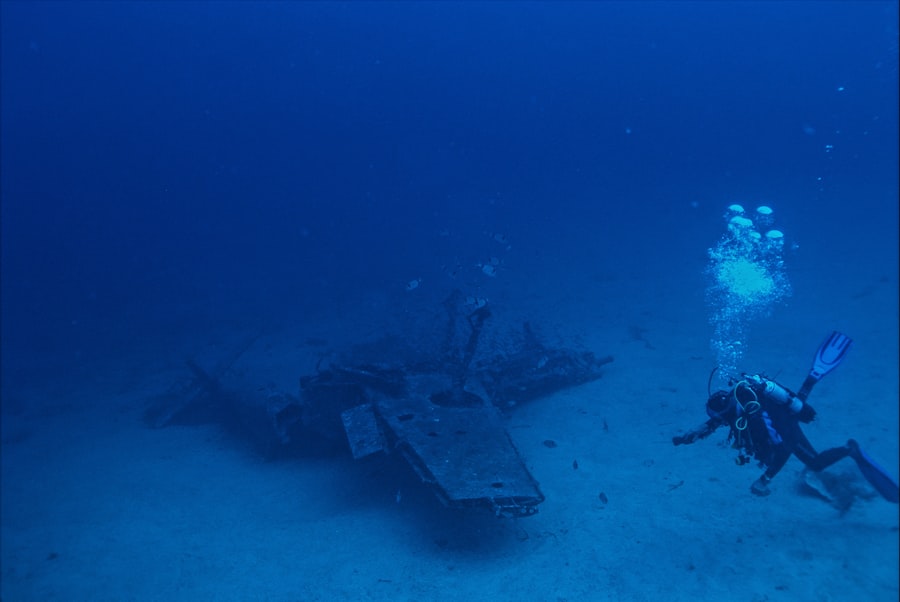
WATCH NOW ▶️ The CIA’s Impossible Mission To Steal A Nuclear Submarine
FAQs
What was the Soviet submarine K-129?
The Soviet submarine K-129 was a Golf II-class ballistic missile submarine of the Soviet Navy that sank in the Pacific Ocean in 1968 under mysterious circumstances.
How many crew members were on board the K-129?
The K-129 typically had a crew complement of approximately 98 officers and enlisted men during its patrols.
Is there an official crew list available for the K-129?
Official crew lists for the K-129 are limited and not fully public due to the secretive nature of Soviet military records, but some partial lists have been compiled from declassified documents and survivor accounts.
What happened to the crew of the K-129?
All crew members aboard the K-129 were lost when the submarine sank in 1968. The exact cause of the sinking remains uncertain, and no survivors were recovered.
Has the K-129 wreck been recovered or investigated?
The United States conducted a secret operation called Project Azorian in 1974 to recover parts of the K-129 from the ocean floor, but the full wreck and crew remains have never been fully recovered or publicly disclosed.