The vastness of Earth’s oceans, particularly their abyssal plains, harbors mysteries and resources in equal measure. Among these, manganese nodules, polymetallic concretions scattered across the deep seafloor, have long captivated the attention of various entities. Historically viewed primarily through the lens of resource extraction and scientific inquiry, their geopolitical significance has steadily grown, attracting the attention of intelligence agencies. This article delves into the Central Intelligence Agency’s (CIA) reported interest in manganese nodules, examining how deep-sea mining initiatives may, intentionally or unintentionally, serve as a cover for broader intelligence objectives.
The 21st century has witnessed an escalating global competition for critical raw materials. From rare earth elements essential for modern electronics to cobalt and nickel vital for batteries, the demand for these resources is projected to surge. Many of these elements are found in high concentrations within deep-sea manganese nodules, creating a new frontier for resource acquisition. This emerging landscape has profound implications for national security.
Strategic Competition for Critical Minerals
The control and supply of critical minerals are increasingly seen as instruments of national power. Nations lacking domestic sources are particularly vulnerable to supply chain disruptions and price volatility.
- Economic Vulnerability: Dependence on foreign suppliers for essential minerals can expose a nation’s economy to geopolitical leverage and market manipulation.
- Technological Advancement: The development and deployment of advanced technologies, such as renewable energy systems and electric vehicles, are heavily reliant on a stable supply of these minerals.
- Military Applications: Many critical minerals are indispensable for defense technologies, including advanced weaponry, communication systems, and aerospace components.
Deep-Sea Mining: A New Frontier
Deep-sea mining, while still in its nascent stages, promises access to vast and largely untapped reserves of these strategically important minerals. The international seabed, areas beyond national jurisdiction, is governed by the United Nations Convention on the Law of the Sea (UNCLOS) and the International Seabed Authority (ISA).
- Jurisdictional Complexities: The legal framework surrounding deep-sea mining is intricate, involving international treaties, national regulations, and environmental safeguard efforts.
- Technological Hurdles: Extracting minerals from depths exceeding 4,000 meters presents significant engineering challenges, requiring highly specialized equipment and advanced robotics.
- Environmental Concerns: The potential ecological impact of deep-sea mining is a major point of contention, with fears of irreversible damage to fragile abyssal ecosystems.
The Central Intelligence Agency’s interest in mining manganese nodules from the ocean floor has raised significant geopolitical and environmental discussions. For a deeper understanding of the implications and strategies surrounding this topic, you can read a related article that explores the complexities of underwater resource extraction and its impact on global relations. Check out the article here: CIA Mining Manganese Nodules: Geopolitical Implications.
The CIA’s Historical Involvement in Strategic Resource Acquisition
The CIA’s long history is punctuated by interventions and interests in matters of resource security, particularly when national strategic interests are at stake. This lineage provides a contextual backdrop for understanding its potential engagement with deep-sea mining.
Cold War Precedents: Project Azorian
Perhaps the most famous instance of the CIA’s deep-sea interests is Project Azorian, a covert operation in the 1970s to salvage a sunken Soviet submarine, the K-129. This audacious mission involved a purpose-built vessel, the Hughes Glomar Explorer, designed for deep-ocean recovery.
- Technological Deception: The Hughes Glomar Explorer was publicly presented as a technologically advanced deep-sea mining vessel, ostensibly designed to extract manganese nodules. This elaborate cover provided plausible deniability for the true objective.
- Intelligence Gathering: The primary goal of Project Azorian was to recover Soviet cryptographic equipment and nuclear secrets, highlighting how deep-sea operations can serve as a conduit for sensitive intelligence gathering.
- Precedent for Dual-Use Capabilities: The Hughes Glomar Explorer demonstrated the potential for deep-sea vehicles and infrastructure to have both commercial (mining) and intelligence (salvage, surveillance) applications.
Post-Cold War Intelligence Priorities
While the Cold War directly fueled initiatives like Project Azorian, the post-Cold War era has seen a shift in intelligence priorities, with economic espionage and the safeguarding of critical supply chains gaining prominence.
- Economic Intelligence: The CIA, alongside other intelligence agencies, actively monitors global resource markets, identifying potential vulnerabilities and safeguarding national economic interests.
- Technological Espionage: The race for technological advancement necessitates intelligence on competing nations’ capabilities in areas like deep-sea exploration and mining technologies.
- Cybersecurity of Critical Infrastructure: As deep-sea mining infrastructure becomes more complex and interconnected, its cybersecurity becomes a concern for intelligence agencies seeking to protect national assets.
Deep-Sea Mining as an Intelligence Cover: A Hypothesis
The hypothesis that deep-sea mining operations could serve as a cover for intelligence activities is not without precedent or logical grounding, especially given the inherent characteristics of such ventures.
Remote and Undisturbed Environments
The deep ocean offers an unparalleled environment for clandestine operations. Its remoteness, the extreme technical challenges of accessing it, and the vastness of oceanic space provide natural obscurity.
- Limited Oversight: International oversight of activities in the deep sea, particularly beyond immediate operational zones, is inherently difficult to maintain and enforce.
- Technological Secrecy: The highly specialized and proprietary nature of deep-sea mining technologies offers a plausible reason for restricted access and confidentiality, masking other objectives.
- Distance from Public Scrutiny: Unlike terrestrial operations, deep-sea activities often occur far from public view and media scrutiny, allowing for greater operational stealth.
Dual-Use Technologies and Capabilities
The very tools and technologies required for deep-sea mining – advanced submersibles, remotely operated vehicles (ROVs), complex acoustic systems, and high-capacity data transmission – possess inherent dual-use capabilities.
- Mapping and Surveillance: Detailed seafloor mapping, essential for mining, can also be utilized for intelligence purposes, identifying submarine cable routes, potential military infrastructure, or strategically important geological features.
- Acoustic Signatures and Data Collection: Sonar and other acoustic systems used for mineral prospecting can simultaneously be employed to detect and monitor the movement of subsurface vessels or underwater sensors.
- Undersea Infrastructure Deployment: The capability to deploy and maintain complex deep-sea mining equipment could be adapted for the covert installation or recovery of intelligence-gathering sensors, communication relays, or even specialized payloads.
The Lure of Scientific Research and Data Acquisition
Deep-sea mining initiatives often include a strong component of scientific research, necessary for environmental impact assessments and resource evaluation. This scientific veneer can further obscure intelligence objectives.
- Oceanographic Data Collection: Data on currents, water chemistry, temperature, and biology are vital for both mining and intelligence, offering insights into ocean dynamics relevant to submarine warfare or strategic navigation.
- Geological Surveys: Extensive geological surveys, mapping the seabed and sub-seabed, can reveal critical information about seabed stability, fault lines, and potential locations for clandestine infrastructure.
- Biological and Environmental Monitoring: The deployment of monitoring equipment for environmental studies can be discreetly augmented with intelligence-gathering sensors.
Potential Intelligence Objectives Beyond Resource Acquisition
While the primary stated goal of deep-sea mining is resource extraction, an intelligence agency’s interest would extend far beyond merely acquiring minerals. The deeper objectives would likely revolve around information superiority and strategic advantage.
Monitoring Undersea Cable Networks
The vast majority of global internet traffic and crucial communications traverse submarine fiber optic cables. Their security and integrity are paramount for national security. Deep-sea mining activities could provide cover for monitoring these vital arteries.
- Cable Mapping and Vulnerability Assessment: Operations near cable routes could facilitate detailed mapping of their precise locations, identifying potential vulnerabilities or points of interception.
- Covert Tapping and Data Interception: Specialized deep-sea vehicles, operating under the guise of mining exploration, could be used to install or recover devices capable of intercepting data flowing through these cables.
- Infrastructure Protection/Sabotage: Understanding the precise location and composition of these cables could inform strategies for their protection or, in a conflict scenario, their disruption.
Tracking Submarine Movements
The deep ocean is the primary operating domain for military submarines. Any activity that provides a new platform or method for tracking these vessels would be of immense interest to intelligence agencies.
- Passive Acoustic Monitoring: Distributed networks of acoustic sensors, ostensibly placed for environmental monitoring or resource detection, could simultaneously function as passive sonar arrays to detect and track submarines.
- Seabed Sensor Deployment: Mining infrastructure could serve as a cover for the deployment and maintenance of more overt or covert seabed sensors designed specifically for submarine detection.
- Hydrographic Data Collection: Detailed hydrographic surveys, necessary for navigating deep-sea mining equipment, also contribute to a better understanding of ocean acoustics and propagation paths, aiding anti-submarine warfare (ASW) efforts.
Submerged Domain Awareness
Beyond specific targets like cables or submarines, intelligence agencies seek a broader understanding of the entire submerged domain, a “picture” of what is happening beneath the waves.
- Underwater Mapping and Cartography: High-resolution mapping of the deep seafloor provides crucial data for navigation, military planning, and understanding geological characteristics.
- Identification of Secret Installations: Extensive surveys could potentially uncover previously unknown or suspected submerged military installations, scientific research stations, or clandestine infrastructure.
- Environmental Baseline Data: Understanding the natural deep-sea environment (currents, temperatures, salinity, biological activity) is critical for predicting sound propagation, camouflage effectiveness, and operational planning.
The exploration of manganese nodules on the ocean floor has garnered significant attention, particularly in relation to the CIA’s involvement in various mining operations. A related article discusses the geopolitical implications of deep-sea mining and its potential impact on global resource distribution. For more insights on this topic, you can read the full article here. Understanding the complexities of these underwater resources is crucial as nations vie for control over valuable minerals that could shape future economies.
Ethical and International Law Considerations
| Metric | Value | Unit | Description |
|---|---|---|---|
| Area Covered by Manganese Nodules | 1,700,000 | km² | Estimated area of the Clarion-Clipperton Zone (CCZ) rich in manganese nodules |
| Average Nodule Density | 15-20 | kg/m² | Average mass of manganese nodules per square meter on the seafloor |
| Manganese Content | 20-30 | % | Percentage of manganese in the nodules by weight |
| Estimated Total Manganese Reserves | 500-700 | million metric tons | Estimated manganese metal content in nodules within the CCZ |
| Mining Depth | 4,000-6,000 | meters | Depth of the seafloor where manganese nodules are found |
| Environmental Impact Score | 7 | Scale 1-10 | Estimated environmental risk level of mining activities in the area |
| Recovery Rate | 85 | % | Percentage of nodules expected to be recovered during mining |
The potential for deep-sea mining to serve as an intelligence cover raises significant ethical and legal questions, threatening to erode trust in international agreements and institutions.
UNCLOS and the ISA Framework
The United Nations Convention on the Law of the Sea (UNCLOS) and the International Seabed Authority (ISA) govern activities in the international seabed. Any covert intelligence operations would contravene the spirit and letter of these frameworks.
- Peaceful Purposes Clause: UNCLOS articulates that the high seas and the international seabed should be used for peaceful purposes, making covert military or intelligence operations problematic.
- Transparency and Accountability: The ISA’s mandate stresses transparency in deep-sea activities, a principle fundamentally undermined by intelligence covers.
- Resource Exploitation for All Mankind: The “common heritage of mankind” principle for deep-sea resources implies that their exploitation should benefit all nations, not be covertly employed by a select few for strategic advantage.
Erosion of Trust and Cooperation
If deep-sea mining is widely perceived as a potential intelligence cover, it could severely damage international cooperation on marine scientific research, environmental protection, and resource management.
- hinders Scientific Collaboration: Genuine scientific endeavors in the deep sea could be viewed with suspicion, making international research partnerships harder to forge.
- Increased Geopolitical Tension: The perception of espionage behind commercial or scientific fronts could escalate tensions among nations vying for deep-sea resources and strategic advantage.
- Environmental Safeguard Compromises: If intelligence objectives take precedence, environmental regulations and monitoring efforts could be undermined or ignored, leading to potentially irreversible ecological damage.
Regulatory Challenges
Regulating and verifying the true intent behind deep-sea operations presents an immense challenge for international bodies and national governments.
- Verification Difficulties: Proving that a mining operation is, in part, an intelligence cover operation is incredibly difficult given the remoteness and technical complexity of deep-sea environments.
- Dual-Use Dilemma: Distinguishing between legitimate scientific or commercial use of deep-sea technology and its potential intelligence application is an ongoing regulatory conundrum.
- Enforcement Limitations: The ISA and other international bodies have limited enforcement powers, particularly when dealing with sovereign states’ alleged covert activities.
In conclusion, the intersection of critical resource scarcity, technological advancement, and geopolitical competition has cast a new light on the deep sea. While manganese nodules offer tantalizing prospects for raw material security, the inherent characteristics of deep-sea operations – their remoteness, technological complexity, and potential for dual-use capabilities – make them a compelling candidate for intelligence cover. The historical precedent of Project Azorian and the enduring strategic importance of the submerged domain lend credence to the notion that the CIA, and likely other intelligence agencies, would explore such avenues. This scenario, while rooted in strategic necessity, presents a challenging panorama of ethical dilemmas, international legal complexities, and potential geopolitical friction that will undoubtedly shape the future of deep-sea exploration and governance. The deep ocean, once merely a dark abyss, is transforming into a complex strategic battleground, where the pursuit of resources may mask a deeper quest for information and power.
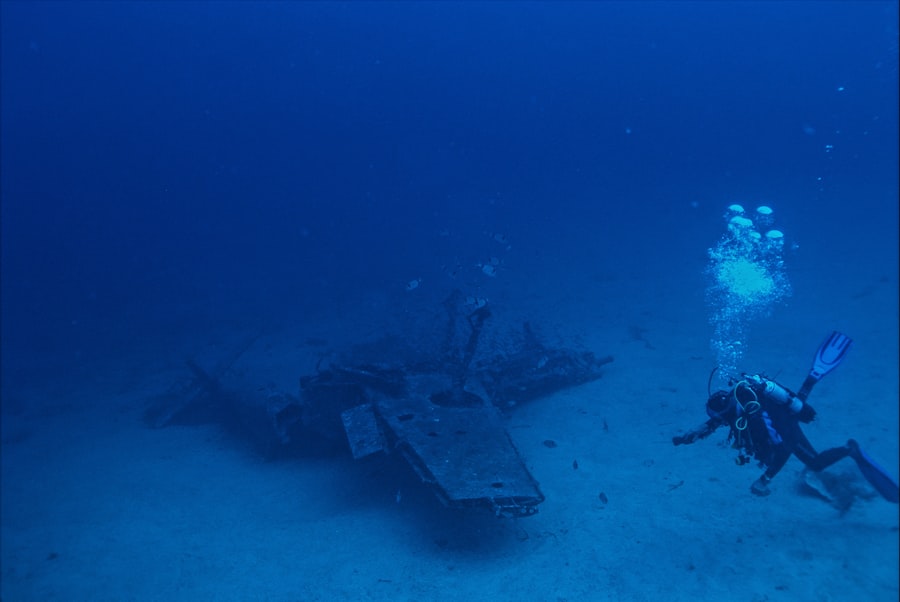
WATCH NOW ▶️ The CIA’s Impossible Mission To Steal A Nuclear Submarine
FAQs
What are manganese nodules?
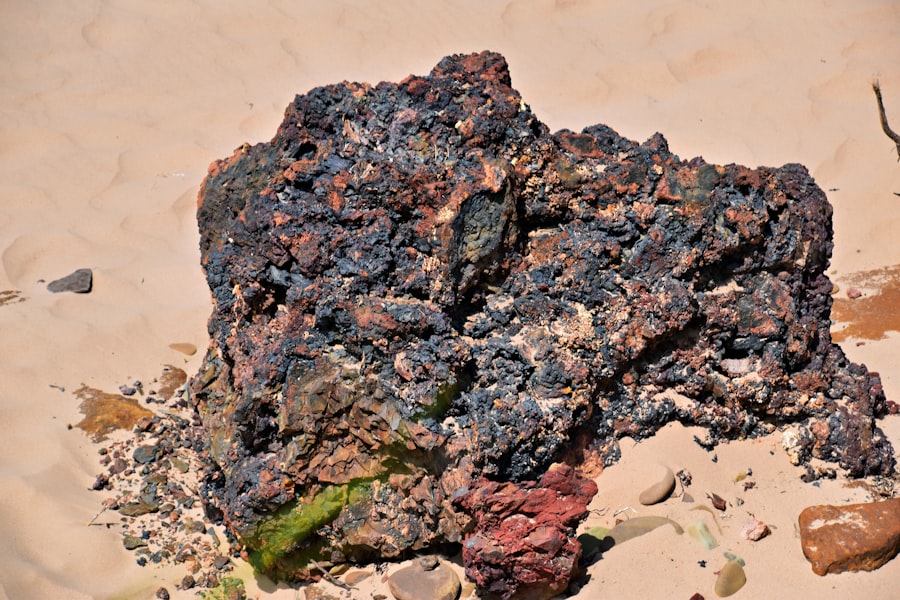
Manganese nodules are rock concretions found on the ocean floor, primarily composed of manganese and iron oxides. They often contain valuable metals such as nickel, copper, and cobalt.
Why is the CIA interested in mining manganese nodules?
The CIA’s interest in mining manganese nodules likely relates to the strategic importance of the metals contained within them, which are critical for various industrial and military applications, including electronics and defense technologies.
Where are manganese nodules typically found?
Manganese nodules are commonly found on the abyssal plains of the ocean floor, particularly in areas like the Clarion-Clipperton Zone in the Pacific Ocean.
What are the challenges associated with mining manganese nodules?
Mining manganese nodules poses technical challenges due to their deep-sea location, environmental concerns about disturbing marine ecosystems, and the high costs involved in extraction and processing.
How could mining manganese nodules impact the environment?
Mining activities could disrupt deep-sea habitats, affect biodiversity, and cause sediment plumes that may impact marine life. Environmental assessments and regulations are essential to mitigate these potential impacts.