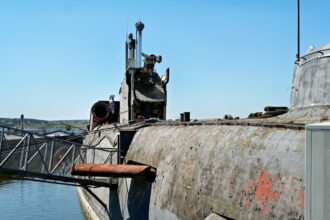
The Cold War, a period of geopolitical tension between the United States and the Soviet Union and their respective allies, was characterized by an arms race, proxy wars, and an intense ideological struggle. While much attention is often given to land-based conflicts and aerial surveillance, the underwater domain played an equally critical, albeit often clandestine, role. Naval espionage during this era was a shadowy dance of submarines, specialized vessels, and intelligence operatives, a silent war fought beneath the waves. Documentaries exploring this niche subject, often collectively referred to as “Silent Seas: Cold War Naval Espionage Documentaries,” offer a crucial window into this submerged battlefield, revealing the technological prowess, strategic thinking, and human risks involved.
The Submerged Battlefield: A New Front
The emergence of nuclear-powered submarines revolutionized naval warfare, transforming them from rudimentary stealth platforms into formidable weapons systems capable of prolonged underwater operations and intercontinental ballistic missile launches. This technological leap created an entirely new dimension for espionage, where the ocean depths became a theater of operations for intelligence gathering, counter-intelligence, and even direct confrontation.
The Strategic Imperative of Underwater Dominance
Both superpowers recognized the immense strategic value of controlling or at least understanding the underwater environment. For the United States, this meant tracking Soviet ballistic missile submarines (SSBNs) to provide early warning of a potential nuclear attack. For the Soviet Union, it involved protecting their own SSBNs, a critical component of their nuclear deterrent, and tracking NATO’s movements. This mutual need for information fueled an unprecedented investment in naval intelligence capabilities.
Technological Arms Race Beneath the Waves
The Cold War saw a continuous cycle of innovation in underwater technology. Sonar systems became increasingly sophisticated, capable of detecting quieter submarines at greater ranges. Submarines themselves underwent significant acoustic quieting programs, making them harder to detect. This technological arms race created a perpetual chase, with each side striving to develop platforms and sensors that could outwit the other. Documentaries often highlight the extraordinary engineering feats achieved during this period, from the development of advanced acoustic arrays to specialized deep-sea vehicles.
Intelligence Gathering Operations: The Silent War
Naval espionage during the Cold War involved a myriad of highly secretive and often dangerous operations. These missions ranged from passive acoustic surveillance to daring salvage operations and direct penetration of enemy waters. The stakes were always high, with the potential for international incidents or even outright conflict looming over every mission.
Operation Ivy Bells: Tapping into the Kremlin’s Secrets
One of the most audacious and well-documented naval espionage operations was Operation Ivy Bells. This joint CIA-NSA-Navy endeavor involved placing wiretaps on Soviet underwater communication cables in the Sea of Okhotsk. American submarines, specifically the USS Halibut, embarked on perilous missions to locate these cables, lay sophisticated listening devices, and periodically retrieve the recorded data.
The Engineering Challenge of Cable Tapping
The documentaries often detail the immense engineering challenges involved in Ivy Bells. The depth of the cables, the harsh underwater environment, and the need for absolute secrecy required specialized equipment and highly skilled crews. The very act of deploying and retrieving the tapping devices was a testament to the ingenuity and bravery of those involved.
The Risks and Rewards of Intelligence Collection
The information garnered from Ivy Bells provided invaluable insights into Soviet naval operations, strategies, and even internal Kremlin communications. However, the operation also carried significant risks. The discovery of the taps by the Soviets, partially due to betrayal by a disgruntled NSA analyst, revealed the vulnerabilities of even the most sophisticated covert operations. Documentaries often feature interviews with former intelligence officers who recount the constant tension and fear of compromise inherent in these missions.
Project Azorian: The Quest for K-129
Another high-profile operation was Project Azorian, the CIA’s audacious attempt to salvage parts of the sunken Soviet submarine K-129. The submarine, carrying ballistic missiles, sank in 1968 in the Pacific Ocean. The US, eager to recover its codebooks, missile technology, and other sensitive materials, mounted a covert salvage operation using a highly specialized ship, the Glomar Explorer.
The Veil of Secrecy: Howard Hughes and Ocean Mining
To mask the true nature of the operation, the Glomar Explorer was publicly presented as a deep-sea mining vessel owned by eccentric billionaire Howard Hughes. This elaborate deception, meticulously crafted and maintained for years, highlights the extreme lengths to which intelligence agencies would go to protect their secrets.
Technical Challenges and Limited Success
While the Glomar Explorer did manage to recover a portion of the K-129, the operation was not a complete success. Technical difficulties and weather conditions hampered the recovery effort. Nevertheless, documentaries on Project Azorian emphasize the scale of the undertaking and the incredible resources dedicated to a single intelligence objective. They often juxtapose the grand ambition with the inherent uncertainties of deep-sea recovery.
The Human Element: Spies, Sailors, and Sacrifice
Beneath the sleek hulls of submarines and the intricate systems of intelligence gathering lay the human element: the sailors who manned the vessels, the intelligence analysts who processed the data, and the spies who risked their lives to gain an advantage. These individuals formed the backbone of naval espionage, their unique skills and unwavering commitment pivotal to the Cold War’s silent struggle.
The Psychological Toll of Undersea Warfare
Life aboard a submarine, especially a nuclear-powered boat on a long-duration mission, was incredibly demanding. Crews faced cramped conditions, prolonged isolation, and the constant threat of detection or mechanical failure. The psychological toll of living in a steel tube kilometers beneath the surface, knowing that one wrong move could trigger a global catastrophe, is a recurring theme in documentaries.
Maintaining Secrecy and Morale
Documentaries often feature interviews with former submariners who vividly describe the rigorous training, the camaraderie among crew members, and the constant pressure to maintain operational secrecy. The sense of shared purpose and the strict discipline were essential for both mission success and crew morale.
The Role of Intelligence Analysts
While the spotlight often falls on the daring exploits of submarines, the work of intelligence analysts ashore was equally crucial. These individuals were the unsung heroes who sifted through mountains of intercepted communications, acoustic signatures, and photographic evidence, piecing together the enemy’s intentions and capabilities. Their tireless work in the silent rooms of intelligence agencies provided the vital context for strategic decision-making.
The Burden of Information Synthesis
The sheer volume of data collected through naval espionage was immense. Analysts faced the challenging task of synthesizing disparate pieces of information, often incomplete or ambiguous, into actionable intelligence. Documentaries often showcase the analytical tools and methodologies employed, highlighting the intellectual rigorousness required for this work.
The Legacy of Naval Espionage: Lessons Learned
The Cold War may be over, but its legacy, particularly in the realm of naval espionage, continues to influence modern intelligence practices and international relations. The technological advancements, strategic doctrines, and operational methodologies developed during this period have left an indelible mark on contemporary naval warfare and intelligence gathering.
Evolving Threats and Enduring Principles
While the primary ideological adversaries have changed, the fundamental principles of naval espionage endure. Nations continue to employ submarines and specialized vessels for intelligence gathering, albeit with more advanced sensors and communication systems. The need to understand the capabilities and intentions of potential adversaries remains a constant.
The Persistence of Underwater Surveillance
The “great game” beneath the waves continues, albeit
with new players and more sophisticated tools. The development of unmanned underwater vehicles (UUVs) and advanced sensor networks represents the next evolution of naval espionage. Documentaries often draw parallels between Cold War-era operations and contemporary challenges, emphasizing the enduring relevance of lessons learned from the past. For example, the challenges of operating in contested waters, the importance of acoustic discretion, and the constant striving for technological superiority remain central to modern naval intelligence. The cat-and-mouse game has merely updated its equipment.
The Impact on International Law and Relations
The covert nature of naval espionage operations often skirted the boundaries of international law, leading to diplomatic incidents and heightened tensions. The actions taken during the Cold War, such as the penetration of territorial waters or the covert deployment of surveillance devices, shaped the ongoing debate concerning freedom of navigation and the legal status of underwater activities.
Grey Zones of Conflict and Deterrence
Documentaries frequently touch upon the “grey zone” nature of these operations, existing in a space between outright war and peace. The careful calibration of risk and reward, the strategic deniability inherent in covert missions, and the pursuit of deterrence through intelligence advantage are all part of this complex legacy. These shows often illustrate how even seemingly minor incidents could escalate, making the careful management of naval intelligence essential for maintaining stability. The threat of a lost submarine or a detected surveillance device triggering a wider conflict was a constant shadow.
Preservation of History and Understanding Future Conflicts
Documentaries serve as vital instruments for preserving the history of Cold War naval espionage, ensuring that the sacrifices, innovations, and lessons learned from this unique period are not lost to time. By bringing these stories to a wider audience, they not only educate but also foster a deeper understanding of the complexities of international relations and the enduring nature of strategic competition.
The Importance of Archival Research and Veteran Accounts
Many of these documentaries rely heavily on declassified documents, recently accessible archives, and, crucially, the testimonies of veterans and former intelligence operatives. These firsthand accounts provide invaluable insights into the daily realities, the moral dilemmas, and the operational intricacies of naval espionage. Without these personal narratives, much of the human dimension of this history would be lost.
Authenticity and Accuracy in Storytelling
The most effective documentaries strive for authenticity and accuracy, presenting a balanced perspective that avoids sensationalism while conveying the inherent drama and significance of these events. They meticulously reconstruct missions, analyze strategic decisions, and explore the technological marvels that defined this era. The use of period footage, detailed animations, and expert analysis helps to paint a comprehensive picture for the viewer, acting like a forensic excavation of historical events, revealing layer after layer of a hidden conflict.
Informing Contemporary Geopolitical Understanding
By exploring the successes and failures of Cold War naval espionage, documentaries offer valuable insights into contemporary geopolitical challenges. They highlight the enduring importance of intelligence gathering, the continuous technological race, and the delicate balance required to maintain peace through deterrence. Understanding the past, therefore, becomes a crucial tool for navigating the complexities of the present and anticipating the challenges of the future. The silent seas continue to hold secrets, and the lessons from the Cold War are a compass for those who seek to understand them. These documentaries invite the viewer to peer into the silent depths, to witness the shadows of a conflict that shaped the modern world, and to appreciate the intricate dance of power that continues beneath the waves.
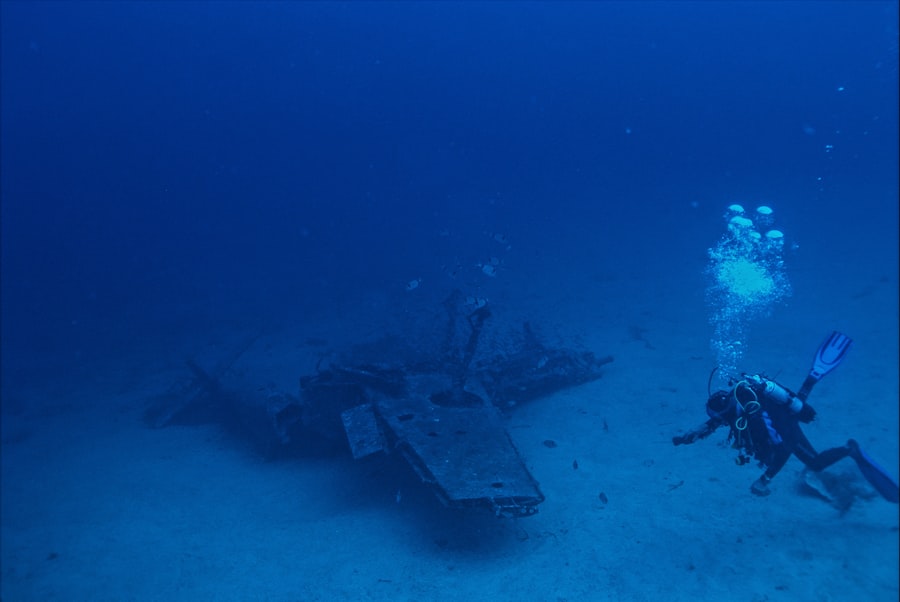
WATCH NOW ▶️ The CIA’s Impossible Mission To Steal A Nuclear Submarine
FAQs
What is the focus of Cold War naval espionage documentaries?
Cold War naval espionage documentaries focus on the covert intelligence operations and spying activities conducted by naval forces during the Cold War period, highlighting the strategies, technologies, and key events involved.
Which countries are primarily featured in Cold War naval espionage documentaries?
These documentaries primarily feature the United States and the Soviet Union, as they were the main adversaries during the Cold War, but they may also include other nations involved in naval intelligence activities.
What types of naval espionage techniques are commonly explored in these documentaries?
Common techniques include submarine surveillance, signal interception, underwater listening devices, covert reconnaissance missions, and the use of spy ships and submarines to gather intelligence.
Are real-life espionage cases discussed in Cold War naval espionage documentaries?
Yes, many documentaries examine real-life espionage cases, such as the capture of spy submarines, defections of naval officers, and secret operations that had significant impacts on Cold War naval strategy.
Where can viewers watch Cold War naval espionage documentaries?
These documentaries are often available on streaming platforms, history-focused television channels, documentary websites, and sometimes in educational or military history archives.