The K-129, a Soviet Golf II-class submarine, remains a subject of intense historical and engineering interest, primarily due to its mysterious sinking in 1968 and subsequent partial recovery by the United States Navy during Operation Azorian. This article delves into the internal layout of the K-129, examining its design, functionality, and the technological landscape of Soviet submarine construction during the Cold War era. Understanding the K-129’s internal architecture provides crucial insights into Soviet naval capabilities, operational philosophies, and the challenges faced by submariners of that period.
The K-129’s primary structure was defined by its robust double-hull design, a common feature in Soviet submarine construction, offering enhanced survivability and internal volume. This layered approach differentiated it significantly from many Western contemporary designs, which often favored a single, thicker pressure hull.
Outer Hull Design and Hydrodynamics
The outer hull, non-pressurized, provided the submarine’s hydrodynamic shape, allowing for efficient movement through water and housing various external systems. Its streamlined form was crucial for achieving patrol speeds and minimizing acoustic signatures, a perpetual challenge in underwater warfare.
- Structure and Materials: Typically constructed from high-tensile steel, the outer hull was designed to withstand hydrostatic pressures encountered during transit and minor collisions, though not the extreme depths. It was segmented, with numerous access hatches and free-flooding compartments.
- Sonar Domes and External Equipment: The bow section of the outer hull housed critical sonar equipment, protected by a specialized dome. Additionally, elements like anchor gear, mooring lines, and external valve systems were integrated into its design.
- Ballast Tanks: Crucial for buoyancy control, the main ballast tanks were strategically positioned between the inner and outer hulls. These tanks were flooded for diving and rapidly blown with high-pressure air for surfacing, a fundamental manoeuvre of submarine operations.
Inner Pressure Hull: The Heart of the Submarine
Encapsulated within the outer hull was the pressure hull, the submarine’s true sanctuary and lifeline. This conical structure, compartmentalized for safety, was engineered to withstand the crushing pressures of the deep ocean, protecting the crew and vital machinery.
- Compartmentalization: The K-129, like many Soviet submarines, featured multiple watertight compartments. This design philosophy aimed to enhance survivability by localizing damage in the event of a breach, offering a stark contrast to approaches that prioritized larger, more open internal spaces.
- Material and Construction: The pressure hull was fabricated from high-strength alloy steel, meticulously welded to ensure integrity. The thickness of this steel varied depending on the compartment’s design depth and structural stresses, representing a delicate balance between strength and weight.
- Internal Layout Integration: All internal systems, from propulsion to living quarters, were precisely arranged within the confines of the pressure hull. This required ingenious engineering to maximize utility within a constrained volume, a constant spatial puzzle.
The internal layout of the Soviet submarine K-129 has been a subject of intrigue and speculation, particularly in relation to its mysterious sinking in 1968. For a deeper understanding of the submarine’s design and operational capabilities, you can explore a related article that delves into the technical specifications and historical context of K-129. This article provides valuable insights into the submarine’s structure and the strategic implications of its missions during the Cold War. To read more, visit this link.
Propulsion and Power Generation: Forging Undersea Dominance
The K-129 was conventionally powered, relying on diesel-electric propulsion, a mature and reliable technology for its era. This system provided both sustained underwater endurance and surface mobility, reflecting the operational requirements of the Soviet Navy.
Diesel Engines: Surface and Snorting Power
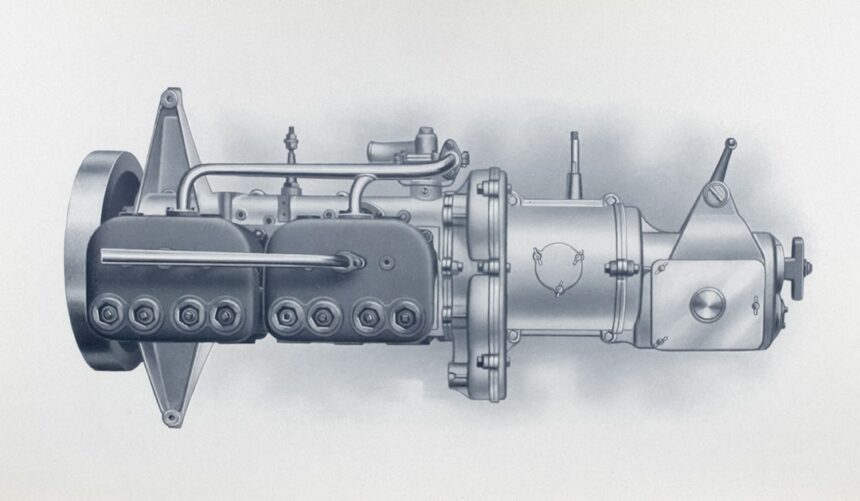
The submarine was equipped with several high-output diesel engines, primarily used for surface propulsion and for charging the massive battery banks while submerged via a snort mast. This snorting capability allowed the submarine to replenish its electrical reserves without fully surfacing, reducing detection risks.
- Engine Type and Configuration: Typically, these were two-stroke, non-reversible diesel engines, coupled to generators. Their arrangement within the engine compartment required significant space and robust vibration dampening to maintain stealth.
- Fuel Storage: Large fuel tanks, typically located between the pressure and outer hulls, supplied the diesel engines. Their strategic placement contributed to the submarine’s trim and stability.
- Air Induction and Exhaust Systems: The snort mast, a critical component, allowed for air intake and engine exhaust while submerged at periscope depth. This complex system required sophisticated controls to prevent water ingestion and maintain air quality within the submarine.
Electric Motors and Battery Banks: Silent Underwater Hunters
For sustained submerged operations, the K-129 relied entirely on its electric motors, powered by immense lead-acid battery banks. This silent mode of operation was paramount for evading detection and engaging in covert reconnaissance.
- Main Propulsion Motors: Powerful direct current (DC) electric motors drove the propeller shafts. These motors were designed for high torque at various speeds, providing the nuanced thrust required for precise maneuvering and silent running.
- Battery Compartments: The battery banks, comprised of hundreds of individual cells, occupied significant volume and were distributed in dedicated compartments. These compartments required rigorous ventilation systems to manage hydrogen gas emissions, a constant fire and explosion hazard.
- Auxiliary Systems Motors: Beyond main propulsion, numerous smaller electric motors powered essential auxiliary systems, including pumps for ballast, hydraulic systems for control surfaces, and ventilation fans.
Weapons Systems: A Potent Deterrent
As a Golf II-class submarine, the K-129’s primary offensive capability resided in its ballistic missile arsenal, making it a critical component of the Soviet Union’s strategic nuclear deterrent. However, it also carried conventional torpedoes for self-defense and anti-ship engagements.
Ballistic Missile Compartment: The Trident of Retaliation
The K-129 was designed to carry three R-21 (NATO designation SS-N-5 Sark) submarine-launched ballistic missiles (SLBMs), housed within massive vertically oriented launch tubes integrated into the sail structure. This represented the cutting edge of Soviet strategic naval power at the time.
- Launch Tube Design: Each launch tube was a complex marvel of engineering, capable of withstanding the immense pressures of the deep while preparing for a volatile launch sequence. They were typically designed as wet launch systems, where the missile was ejected from a water-filled tube. This required sophisticated plumbing and pressure equalization systems.
- Missile Handling and Storage: The R-21 missiles themselves were stored in a state of readiness, requiring careful environmental control within their tubes to maintain their integrity and operational status. The entire system was designed for rapid deployment.
- Control and Firing Mechanisms: The missile launch control room, typically located in a dedicated command space, contained the complex electronic systems required to aim, arm, and fire the ballistic missiles. This included navigation inputs from the ship’s inertial guidance system, fire control computers, and launch sequence interlocks.
Torpedo Tubes and Magazine: Conventional Combat Prowess
For closer-range engagements and self-defense, the K-129 was equipped with both bow and stern torpedo tubes, capable of launching a variety of conventional torpedoes.
- Bow Torpedo Tubes: Primarily used for engaging surface ships and other submarines, the bow tubes were strategically positioned to allow for effective attack angles. The torpedo compartment included sophisticated loading mechanisms and fire control systems.
- Stern Torpedo Tubes: These tubes offered a critical self-defense capability, allowing the submarine to fire torpedoes at pursuing threats without requiring a 180-degree turn. This maneuverability was essential in a dynamic combat scenario.
- Torpedo Storage and Handling: The torpedo magazine stored a complement of reloads. Handling these heavy and volatile weapons within the confines of the submarine required specialized cranes, rails, and safety protocols to prevent accidental detonation.
Command and Control: The Submarine’s Brain
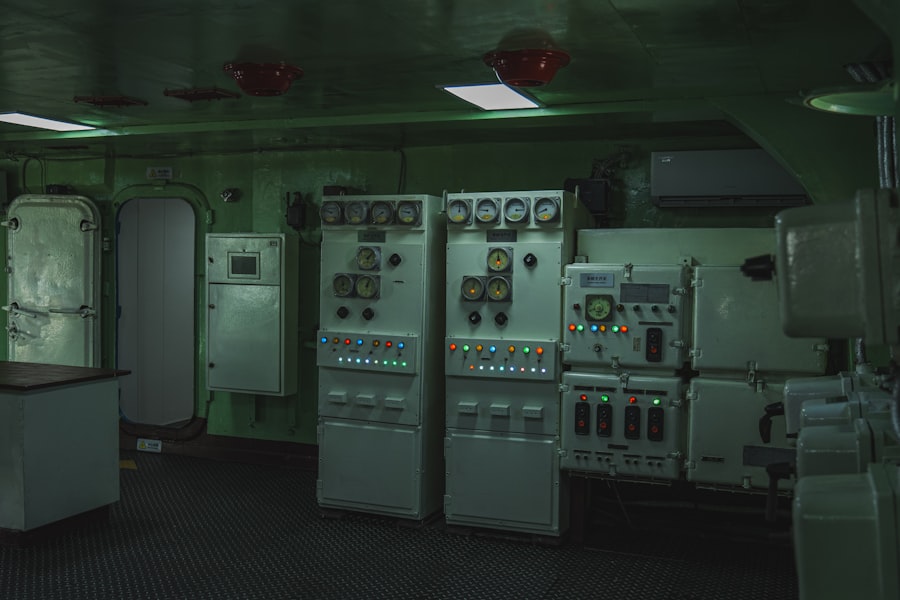
The K-129’s operational effectiveness hinged on its sophisticated command and control systems, which orchestrated all aspects of the submarine’s mission, from navigation to combat.
Conning Tower and Bridge: The Eyes and Ears
The conning tower, an integral part of the sail, served as the primary observation and control center when surfaced, housing critical navigation and communication equipment.
- Periscopes and Optical Devices: Multiple periscopes – attack and search – provided the “eyes” of the submarine when submerged at periscope depth. These complex optical instruments offered magnified views of the surface and horizon.
- Radar and Electronic Support Measures (ESM): The conning tower also deployed radar antennae for surface navigation and ESM systems to detect enemy radar emissions, providing crucial tactical awareness.
- Helm and Diving Controls: While on the surface or during complex maneuvers, the conning tower housed the helm and diving controls, offering a direct interface for the commanding officer to steer the vessel and manage its buoyancy.
Control Room: The Nerve Center
Deep within the pressure hull, the control room functioned as the submarine’s brain, where critical decisions were made and all vital systems were monitored and manipulated.
- Navigation Stations: Equipped with charts, inertial navigation systems, and sonar displays, these stations continuously tracked the submarine’s position and course. The navigator’s role was paramount in ensuring the vessel stayed on track and avoided hazards.
- Sonars and Acoustic Systems: The sonars, both active and passive, were the submarine’s primary sensors for detecting underwater contacts. Display consoles presented acoustic data, allowing operators to identify, track, and classify potential threats.
- Communications and Cryptography: Secure communication systems, including radio and underwater telephony, allowed the K-129 to maintain contact with headquarters and other naval units. Dedicated cryptographic equipment ensured the secrecy of these transmissions.
The internal layout of the Soviet submarine K-129 has intrigued many naval historians and enthusiasts, shedding light on the design and operational capabilities of Cold War-era submarines. For those interested in a deeper exploration of this topic, a related article provides valuable insights into the complexities of submarine architecture and its implications for naval strategy. You can read more about it in this informative piece on submarine design at this link.
Crew Quarters and Support Systems: Sustaining Life Under Pressure
| Section | Description | Dimensions (approx.) | Function |
|---|---|---|---|
| Forward Torpedo Room | Located at the bow, houses torpedo tubes and storage | Length: 10 m, Width: 6 m | Launch and storage of torpedoes |
| Command and Control Compartment | Central control room with navigation and communication equipment | Length: 8 m, Width: 6 m | Navigation, communication, and command operations |
| Diesel Engine Room | Contains diesel engines for surface propulsion and battery charging | Length: 12 m, Width: 6 m | Surface propulsion and power generation |
| Battery Compartment | Houses large battery banks for submerged electric propulsion | Length: 10 m, Width: 6 m | Electric power supply for submerged operation |
| Reactor Compartment | Contains nuclear reactor and associated systems (if applicable) | Length: 10 m, Width: 6 m | Nuclear propulsion (Note: K-129 was diesel-electric, no reactor) |
| Engine Room (Electric Motors) | Electric motors for submerged propulsion | Length: 8 m, Width: 6 m | Submerged propulsion |
| Aft Torpedo Room | Houses rear torpedo tubes and storage | Length: 8 m, Width: 6 m | Launch and storage of torpedoes |
| Crew Quarters | Living and sleeping areas for crew members | Length: 12 m, Width: 6 m | Crew accommodation |
| Galley and Mess | Kitchen and dining area | Length: 6 m, Width: 6 m | Food preparation and dining |
Life aboard a submarine like the K-129 was a perpetual exercise in endurance and resourcefulness. The crew quarters and myriad support systems were designed to sustain extended submerged patrols in an extremely challenging environment.
Living Spaces: A Compact Existence
Given the constrained volume, crew living spaces were necessarily compact, prioritizing functionality over comfort. Every inch of available space had a purpose, reflecting the ship’s role as a war machine.
- Berthing and Mess Areas: Bunks were often arranged in multiple tiers, and common areas served dual or triple purposes, transforming from mess halls to briefing rooms. The quality of life was directly tied to the efficient use of space.
- Galley and Provisions: A small but functional galley was responsible for preparing meals for the entire crew. Large storage areas were dedicated to provisions, ensuring sufficient food and water for extended patrols.
- Sanitary Facilities: Head (toilet) and shower facilities were likewise compact, with strict rationing of fresh water. Desalination plants on board provided a continuous, though limited, supply of potable water.
Life Support and Environmental Control: The Essential Lifeline
Maintaining a breathable atmosphere, a stable temperature, and a healthy environment within the sealed confines of the submarine was a monumental engineering feat.
- Air Regeneration Systems: Carbon dioxide scrubbers and oxygen generators were crucial for maintaining a breathable atmosphere. These systems recycled the air, removing harmful gases and replenishing vital oxygen.
- Temperature and Humidity Control: Inside the steel hull, temperatures could fluctuate wildly. Air conditioning and heating systems worked to maintain a stable internal climate, essential for both crew comfort and equipment functionality.
- Damage Control Stations: Throughout the submarine, strategically located damage control stations provided access to emergency equipment, including fire extinguishers, patching materials, and breathing apparatus, preparing the crew for the worst-case scenario.
The internal layout of the K-129, as revealed through historical analysis and recovered fragments, paints a vivid picture of Soviet submarine design in the mid-20th century. It illustrates a robust, compartmentalized philosophy focused on survivability and the powerful integration of strategic deterrence capabilities. For those who served aboard such vessels, the K-129’s interior was a carefully orchestrated labyrinth, a submerged sanctuary where technology and human endurance intertwined to navigate the silent, often dangerous, depths of the Cold War. The K-129, in its design, stands as a testament to the engineering prowess and the operational imperatives of its time, a steel leviathan built for the strategic chess game of superpower confrontation.
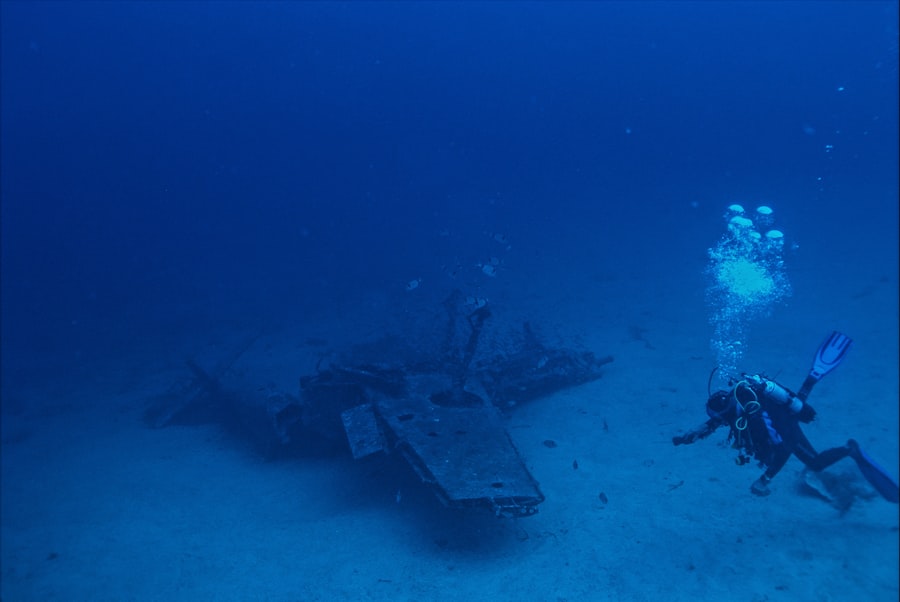
WATCH NOW ▶️ The CIA’s Impossible Mission To Steal A Nuclear Submarine
FAQs
What was the primary purpose of the Soviet submarine K-129?
The Soviet submarine K-129 was a ballistic missile submarine designed to carry and launch nuclear missiles as part of the Soviet Union’s strategic deterrent force during the Cold War.
How was the internal layout of K-129 organized?
The internal layout of K-129 was divided into several compartments, including the control room, missile compartment, torpedo room, crew quarters, engine room, and various technical and support areas, all arranged to optimize operational efficiency and crew functionality.
What types of missiles were housed in the K-129 submarine?
K-129 was equipped with ballistic missiles, specifically the R-21 (SS-N-5) submarine-launched ballistic missiles, which were stored in vertical launch tubes within the missile compartment.
How many crew members could the K-129 accommodate?
The K-129 submarine typically accommodated a crew of around 90 to 100 personnel, including officers, engineers, technicians, and support staff necessary to operate the vessel and its weapon systems.
What were some unique features of the K-129’s internal design?
Unique features of K-129’s internal design included its compact missile compartment with vertical launch tubes, advanced sonar and navigation systems for its time, and specialized compartments designed to support long-duration underwater missions with nuclear propulsion.