You stand at the precipice of a new era in naval warfare. The fundamental tenets of maritime power projection, once defined by sheer tonnage and gun caliber, are rapidly being reshaped by a relentless surge of technological innovation. Legacy systems, while still possessing considerable destructive potential, are increasingly vulnerable to asymmetric threats and sophisticated counter-technologies. Your understanding of these advancements is paramount, for they dictate the future of sea control, power projection, and global security.
For centuries, naval warfare operated within a predictable framework. Control of the seas was largely a matter of superior shipbuilding, larger ordnance, and well-trained crews. The transition from sail to steam, and later from steel to nuclear propulsion, represented significant evolutionary steps, but the core principles remained relatively constant. However, you now witness a revolutionary shift, driven by the convergence of data, artificial intelligence, and new material sciences. This isn’t simply an upgrade; it’s a redefinition of the battlespace.
The Rise of Unmanned Systems
Perhaps no single technology exemplifies this paradigm shift more profoundly than the proliferation of unmanned systems. You are no longer solely reliant on human operators in dangerous or monotonous environments.
Unmanned Surface Vessels (USVs)
These autonomous or semi-autonomous craft are rapidly transforming traditional naval roles. You see them deployed for reconnaissance, surveillance, mine countermeasures, and even as platforms for offensive weaponry. Their ability to operate for extended periods without human intervention, often in contested or hazardous waters, offers a significant tactical advantage. Imagine a swarm of low-signature USVs overwhelming an adversary’s sensors, a maritime “mosquito fleet” providing persistent data, or a single, large USV acting as a forward-deployed sensor node.
Unmanned Underwater Vessels (UUVs)
Operating in the depths, UUVs address the enduring challenge of undersea warfare. Their stealth, endurance, and ability to explore vast ocean areas make them indispensable for intelligence gathering, anti-submarine warfare (ASW), and mine reconnaissance. You can envision large UUVs acting as mobile sensor networks, smaller ones conducting covert inspections, or even weaponized variants patrolling critical chokepoints.
Unmanned Aerial Systems (UASs)
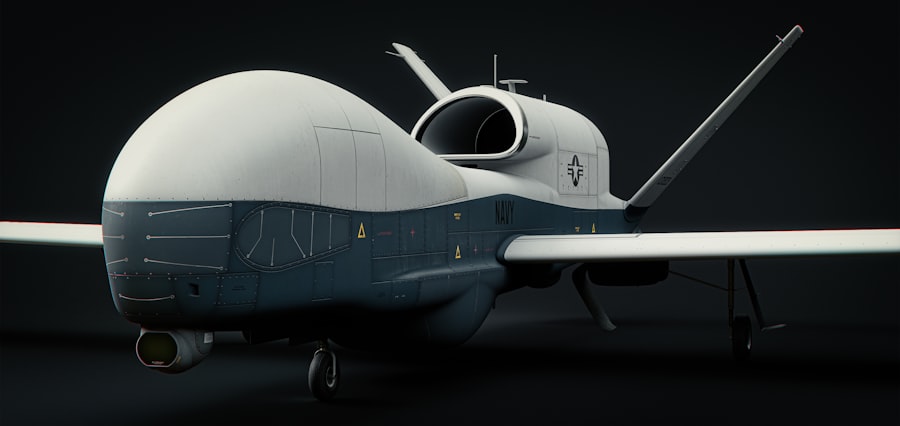
While not new to the naval arena, the integration of increasingly sophisticated UASs into naval operations is expanding their utility beyond traditional intelligence, surveillance, and reconnaissance (ISR). You now see them deployed for targeting, communications relay, and even as strike platforms, extending the reach and awareness of surface fleets and shore commands.
Naval technology continues to evolve rapidly, with advancements in unmanned systems and artificial intelligence playing a crucial role in modern maritime operations. For an in-depth exploration of these innovations and their implications for naval strategy, you can read the article titled “The Future of Naval Warfare: Embracing Unmanned Systems” on In The War Room. This piece delves into how these technologies are reshaping naval capabilities and the potential challenges they pose. To access the article, click here: The Future of Naval Warfare: Embracing Unmanned Systems.
The Digital Battlefield: Artificial Intelligence and Data Fusion
The sheer volume of data generated by modern sensors is overwhelming for human operators alone. This is where artificial intelligence (AI) and advanced data fusion techniques become not just advantageous, but absolutely essential. You’re no longer just collecting data; you’re transforming it into actionable intelligence at speed and scale.
Cognitive Warfare and Decision Superiority
AI’s role in naval warfare extends beyond mere data processing. It enables cognitive warfare capabilities, where algorithms analyze adversaries’ patterns, predict their movements, and even suggest counter-strategies. Your commanders, supported by AI-driven analysis, can achieve decision superiority, making faster, more informed choices than an opponent relying solely on human interpretation. This is akin to playing chess against a grandmaster who can instantly evaluate millions of potential moves.
Predictive Maintenance and Logistics
Beyond combat, AI revolutionizes the mundane but critical aspects of naval operations. Predictive maintenance, powered by AI, analyzes sensor data from ship systems to anticipate failures before they occur. This dramatically reduces downtime, improves operational readiness, and optimizes supply chain logistics. You can thereby ensure that your vessels spend more time at sea and less time in port undergoing unexpected repairs.
Autonomous Navigation and Swarming
The ambition of fully autonomous navigation is becoming a reality, particularly for unmanned platforms. AI-powered algorithms analyze environmental data, avoid collisions, and optimize routes, allowing vessels to operate with minimal human oversight. Furthermore, the concept of “swarming” – multiple autonomous units coordinating their actions – presents a formidable challenge to traditional defensive strategies. Imagine a fleet of small, AI-controlled boats overwhelming an enemy’s defenses through sheer numbers and coordinated attack vectors.
Enhanced Offensive and Defensive Capabilities: A New Arsenal
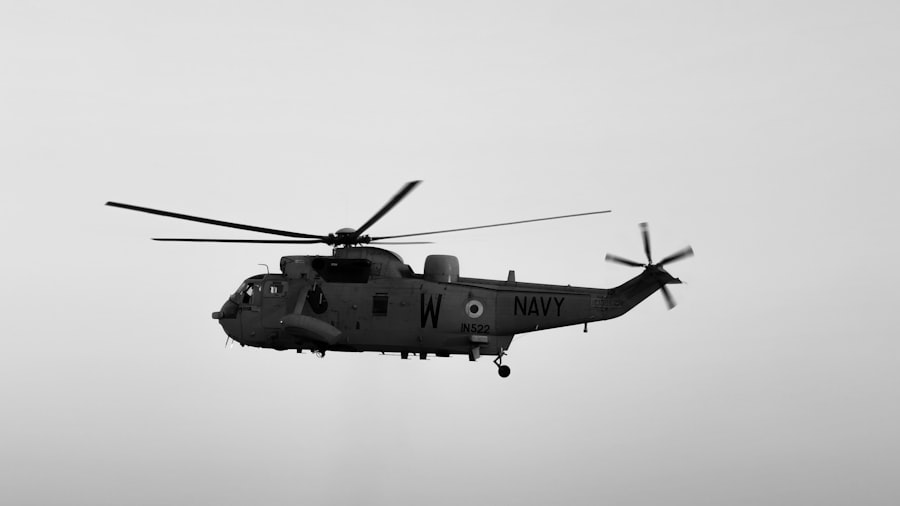
The integration of advanced technology is profoundly impacting both offensive and defensive capabilities, making engagements more lethal and defense more complex. You are witnessing the development of weapons that operate at unprecedented speeds and defenses that employ new physical principles.
Hypersonic Weapons
These weapons, traveling at speeds exceeding Mach 5, represent a significant leap in offensive capability. Their high speed and maneuverability make them exceedingly difficult to intercept with current defensive systems. You must consider their potential to deliver devastating impact within minutes, significantly shrinking reaction times and altering strategic calculations. Their ability to hold vast swathes of ocean at risk creates a new layer of deterrence and danger.
Directed Energy Weapons (DEWs)
Lasers and high-power microwaves, once the stuff of science fiction, are now emerging as viable naval weapons. DEWs offer a precise, speed-of-light solution for missile defense, anti-UAS operations, and even close-in ship defense. You can anticipate these systems providing a “magazine depth” that is theoretically limitless, restricted only by power generation, offering a cost-effective alternative to expensive interceptor missiles.
Advanced Sensors and Stealth Technologies
The cat-and-mouse game of detection and evasion continues, but with far more sophisticated tools. You have at your disposal advanced sensor arrays, including multi-spectral and quantum sensors, that can detect even the most stealthy platforms. Conversely, new stealth technologies, incorporating metamaterials and advanced signal suppression, aim to render vessels virtually invisible to traditional radar and sonar. This creates a perpetual arms race where technological advantage can be fleeting.
Cyber Warfare and Electromagnetic Spectrum Dominance
Modern naval operations are inextricably linked to the electromagnetic spectrum. Your ability to operate effectively hinges on securing your own networks and denying the adversary access to theirs. Cyber warfare and the fight for electromagnetic dominance are no longer ancillary considerations; they are core components of any naval engagement.
Networked Warfare and Vulnerabilities
Today’s naval forces are highly networked, relying on interconnected systems for communication, navigation, and weapon control. This interconnectedness, while offering unprecedented situational awareness and collaborative capabilities, also presents significant vulnerabilities to cyberattacks. You must protect these digital arteries from disruption, exploitation, and destruction. A successful cyberattack could blind your sensors, disable your weapons, or even hijack your vessels.
Electronic Warfare (EW)
The struggle for control of the electromagnetic spectrum is a constant battle. Sophisticated electronic warfare systems are designed to jam enemy communications, disrupt their radar, and spoof their targeting systems. Conversely, you must develop robust electronic protection measures to ensure your own systems remain operational in a contested environment. This is a constant game of innovation, where the ability to dominate the spectrum can be as decisive as kinetic force.
Information Operations
Beyond technical disruption, information operations aim to influence adversary decision-making and morale through psychological means. This can involve spreading disinformation, manipulating public opinion, or undermining trust in an opponent’s command structure. You must be prepared to both conduct and defend against these subtle but potent forms of warfare.
Naval technology has seen significant advancements in recent years, particularly in the realm of unmanned systems and artificial intelligence. These innovations are reshaping naval warfare and enhancing operational capabilities. For a deeper understanding of these developments, you can explore a related article that discusses the implications of these technologies on modern naval strategies. To read more about this fascinating topic, visit this article.
The Human Element: Training and Adaptability
| Technology | Description | Key Metrics | Applications |
|---|---|---|---|
| Sonar Systems | Technology used to detect underwater objects by emitting sound pulses and measuring their echoes. | Range: up to 100 km Frequency: 1 kHz to 1 MHz Resolution: 1 meter |
Submarine detection, navigation, mine detection |
| Stealth Technology | Design and materials used to reduce radar, infrared, and acoustic signatures of naval vessels. | Radar Cross Section Reduction: up to 90% Acoustic Signature Reduction: 20-30 dB |
Destroyers, submarines, aircraft carriers |
| Propulsion Systems | Mechanisms that drive naval vessels, including nuclear, diesel-electric, and gas turbines. | Nuclear: Unlimited range, 30+ knots speed Diesel-Electric: Range 10,000 km, 20 knots Gas Turbine: Speed up to 60 knots |
Submarines, frigates, fast attack crafts |
| Autonomous Underwater Vehicles (AUVs) | Robotic submarines used for reconnaissance, mine countermeasures, and data collection. | Endurance: 24-48 hours Depth: up to 6000 meters Speed: 3-5 knots |
Surveillance, mapping, mine detection |
| Naval Radar Systems | Systems that use radio waves to detect and track objects above water. | Range: 200+ km Frequency Bands: X, S, C bands Tracking Capacity: 100+ targets |
Target tracking, missile guidance, navigation |
Despite the dazzling array of technologies, the human element remains paramount. The most advanced systems are only as effective as the individuals who design, operate, and maintain them. You are investing in your personnel, ensuring they possess the skills and adaptability necessary to thrive in this rapidly evolving battlespace.
Reskilling and Continuous Learning
The pace of technological change necessitates a continuous process of reskilling and upskilling for naval personnel. Operators must be proficient in managing complex AI systems, analyzing vast datasets, and responding to cyber threats. Your training programs must evolve to meet these demands, moving beyond traditional rote learning to foster critical thinking and problem-solving.
Man-Machine Teaming
The future of naval warfare is not about replacing humans with machines, but about forging effective man-machine teams. Your personnel will work alongside autonomous systems, leveraging AI’s analytical power and speed while retaining human judgment, adaptability, and ethical decision-making. This collaborative approach maximizes the strengths of both human and artificial intelligence.
Ethical Considerations and Legal Frameworks
As technology advances, so too do the ethical and legal complexities of warfare. You must grapple with questions surrounding autonomous weapon systems, the targeting of AI-driven systems, and the implications of cyber warfare for international law. Developing clear ethical guidelines and robust legal frameworks is crucial to ensure responsible and justifiable use of these powerful new capabilities.
The revolution in naval warfare is already underway. To remain competitive and secure your interests, you must embrace these technological advancements, understand their implications, and continuously adapt your strategies, doctrine, and personnel. The seas of tomorrow will be navigated not just by steel and steam, but by data, algorithms, and an unwavering commitment to innovation. Your ability to harness these forces will determine your success in this new, technologically charged maritime landscape.
WATCH NOW▶️ Cold War naval operations
FAQs
What is naval technology?
Naval technology refers to the design, development, and application of equipment, systems, and techniques used in naval vessels and maritime operations. It encompasses shipbuilding, navigation, propulsion, weaponry, communication, and surveillance technologies used by navies worldwide.
What are some common types of naval vessels?
Common types of naval vessels include aircraft carriers, destroyers, frigates, submarines, corvettes, and patrol boats. Each type serves specific roles such as power projection, anti-submarine warfare, coastal defense, or reconnaissance.
How has naval technology evolved over time?
Naval technology has evolved from wooden sailing ships to modern steel-hulled vessels powered by nuclear reactors or advanced engines. Innovations include radar, sonar, missile systems, stealth technology, and automated control systems, significantly enhancing naval capabilities.
What role does sonar play in naval technology?
Sonar (Sound Navigation and Ranging) is a critical technology used to detect, locate, and track underwater objects such as submarines and mines. It works by emitting sound waves and analyzing their echoes, aiding in navigation and defense.
How is naval technology important for national security?
Naval technology is vital for national security as it enables a country to protect its maritime borders, secure trade routes, conduct surveillance, and project military power. Advanced naval capabilities help deter threats and maintain stability in international waters.