
The Cold War, a period of geopolitical tension that spanned roughly from the mid-20th century to the early 1990s, was characterized by an arms race of unprecedented scale. Among the most critical battlegrounds, though often unseen, was the underwater domain. As the Soviet Union poured resources into developing a formidable submarine fleet, capable of projecting power and delivering nuclear payloads, the Western powers, primarily the United States and the United Kingdom, were compelled to invest heavily in countermeasures. This article examines the significant advancements in Soviet submarine tracking technology during this era, a technological cat-and-mouse game that profoundly shaped naval strategy and intelligence gathering.
The earliest attempts at tracking submarines were rooted in the fundamental principles of acoustics. Sounds travel efficiently through water, and the relatively primitive submarines of the early 20th century were often quite noisy, making them susceptible to detection.
Passive Acoustic Detection
Early systems primarily relied on passive hydrophones, which are essentially underwater microphones. These devices listened for the distinct sounds emitted by a submarine’s machinery.
Listening Posts and Sonar Arrays
Initially, individual hydrophones were deployed from surface vessels or fixed listening posts. As technology progressed, these evolved into complex arrays, often towed by ships or laid on the seabed. The arrangement of multiple hydrophones allowed for rudimentary triangulation, helping to pinpoint a submarine’s general direction. Early arrays suffered from significant limitations, including an inability to accurately determine range and a susceptibility to environmental noise.
Hydrophone Design and Sensitivity
The development of more sensitive ceramic and crystal-based hydrophones significantly improved the ability to detect fainter sounds. Engineers worked to optimize hydrophone design for specific frequency ranges, recognizing that different submarine components emitted sounds at varying frequencies. The challenge, however, remained distinguishing a submarine’s acoustic signature from the cacophony of marine life, seismic activity, and surface vessel noise.
Active Acoustic Detection
While passive systems listened, active systems emitted sound waves and then listened for the echoes. This approach, similar to radar, offered the advantage of determining range and bearing more directly.
Early SONAR Development
The acronym SONAR (Sound Navigation and Ranging) became synonymous with active acoustic detection. Early SONAR systems, often called ASDIC (Anti-Submarine Detection Investigation Committee) in the British nomenclature, used magnetostrictive and piezoelectric transducers to generate sound pulses. The echoes were then analyzed to detect underwater objects.
Limitations of Active SONAR
Active SONAR, however, presented its own set of challenges. The emitted sound pulses were themselves detectable by the submarine, essentially broadcasting the detector’s presence. Furthermore, sound propagation in water is influenced by temperature, salinity, and pressure, leading to complex sound channels and shadow zones where detection was difficult. The “ping” of early SONAR systems also produced strong reverberations from the seabed and thermoclines, creating significant clutter that masked genuine submarine echoes.
Soviet submarine tracking technology has long been a subject of intrigue and analysis, particularly during the Cold War era when the balance of power hinged on naval capabilities. For those interested in exploring this topic further, a related article provides an in-depth look at the advancements in underwater surveillance and the strategic implications of these technologies. You can read more about it in this insightful piece: Soviet Submarine Tracking Technology.
The Cold War Escalation: A Technological Arms Race
As the Cold War intensified, so too did the sophistication of Soviet submarines and the urgency of Western tracking efforts. The advent of nuclear-powered submarines, with their greatly increased endurance and speed, represented a significant leap that necessitated equally transformative tracking technologies.
Advanced Passive Acoustic Surveillance
The move towards quieter Soviet submarines spurred a renewed focus on passive acoustic detection, often referred to as hydro-acoustic surveillance. The goal was to detect extremely faint acoustic signatures at ever-increasing ranges.
The SOSUS Network
Perhaps the most significant advancement in passive acoustic tracking was the establishment of the Sound Surveillance System, or SOSUS. This array of highly sensitive hydrophones, laid on the seabed primarily in the Atlantic and Pacific Oceans, formed a vast underwater listening network. SOSUS was designed to detect the low-frequency sounds characteristic of Soviet submarines, even at significant distances. It was a technological marvel, an invisible net designed to ensnare the silent predators of the deep.
Signal Processing and Automation
The sheer volume of acoustic data generated by SOSUS necessitated sophisticated signal processing techniques. Analog spectral analyzers were gradually replaced by digital systems capable of real-time analysis. Automated systems were developed to identify subtle acoustic signatures, such as propeller cavitation, machinery noise, and even crew activities. The development of advanced algorithms allowed operators to filter out ambient noise and focus on the distinct “voice” of a Soviet submarine.
Acoustic Signature Libraries
A critical aspect of SOSUS’s effectiveness was the creation of extensive libraries of acoustic signatures. Every class and, ultimately, even individual Soviet submarines possessed unique acoustic “fingerprints.” By comparing detected sounds against these libraries, operators could identify the type of submarine and, in some cases, even determine its specific identity. This was akin to identifying individual animals by their unique vocalizations.
Non-Acoustic Detection Methods
While acoustics remained paramount, researchers also explored and developed non-acoustic methods to detect submarines, recognizing the limitations of sound in certain scenarios.
Magnetic Anomaly Detection (MAD)
Submarines, being large metallic objects, disturb the Earth’s magnetic field. Magnetic Anomaly Detection (MAD) sensors, typically deployed from aircraft (such as the American P-3 Orion), could detect these subtle variations. MAD was highly effective but limited to short ranges and required the aircraft to fly directly over the submarine’s position. It was a “dipstick” approach, useful for pinpointing a target once a general area was established.
Infrared and Visual Detection from Aircraft
While less consistently reliable, aircraft also employed infrared and visual detection techniques. A submarine at periscope depth or on the surface leaves a subtle heat signature detectable by infrared sensors, particularly in optimal conditions. Visual sightings, though rare, were also recorded, especially for submarines traveling on the surface or near the shore. These methods were opportunistic rather than systematic.
Wake Detection and Bioluminescence
More exotic non-acoustic methods were also investigated, though with varying degrees of success. Wakes left by submarines, even deep underwater, can subtly alter oceanographic properties, such as temperature or salinity, which might theoretically be detectable. Similarly, the disturbance of bioluminescent organisms by a passing submarine creates fleeting trails of light, a phenomenon that anecdotal reports suggested could reveal underwater movements, though its practical application for systematic tracking remained limited.
The Era of Advanced Submarine Tracking Platforms

The sensors, regardless of their sophistication, required platforms from which to operate effectively. This led to the development of specialized aircraft, ships, and other systems dedicated to anti-submarine warfare (ASW).
Dedicated ASW Aircraft
Airborne platforms offered the advantage of speed and wide area coverage, making them invaluable for initial detection and subsequent prosecution of submarine contacts.
Sonobuoy Deployment and Processing
ASW aircraft, such as the P-3 Orion, became primary deployers of sonobuoys. These expendable, self-contained sonar systems could be dropped into the water, where they would listen (passive sonobuoys) or ping (active sonobuoys) and transmit their acoustic data back to the aircraft. Aircraft carried large numbers of sonobuoys, allowing them to create temporary acoustic picket lines or rapidly localize a potential submarine contact.
Advanced Radar and Electronic Support Measures (ESM)
Aircraft also employed sophisticated radar systems to detect submarines at periscope depth or on the surface. Electronic Support Measures (ESM) pods on ASW aircraft were used to detect and analyze a submarine’s electronic emissions, such as radar signals from its navigation or search radars. These emissions, even if brief, could provide crucial clues about a submarine’s presence and identity.
Surface Ships and Towed Arrays
Surface warships, while more vulnerable than submarines, remained a critical component of ASW, especially for close-in protection of convoys or carrier battle groups.
Variable Depth Sonar (VDS)
To combat the challenges of sound propagation in varying ocean conditions, many ASW ships were equipped with Variable Depth Sonar (VDS). This system allowed a sonar transducer to be lowered to different depths, enabling it to penetrate thermal layers and other sound-bending phenomena that could otherwise mask a submarine.
Towed Array Sonar (TAS)
Perhaps the most significant development for surface ships was the introduction of Towed Array Sonar (TAS). These long, flexible arrays of hydrophones, towed kilometers behind a ship, extended the acoustic “reach” of surface platforms dramatically. By being towed deep and far from the ship’s own noise, TAS provided an exceptionally quiet platform for passive listening, often detecting submarines far beyond the range of hull-mounted sonars. They functioned as a long, sensitive ear dragging through the water.
Submarine-on-Submarine Warfare
The ultimate anti-submarine weapon was often another submarine. Highly capable attack submarines were developed specifically for the role of hunting and engaging enemy submarines.
Passive Sonar Dominance
Attack submarines, inherently quieter than surface ships, are ideal platforms for passive sonar. The ability to move silently and listen intently became a defining characteristic of submarine-on-submarine warfare. Their hull-mounted and towed array sonars were among the most sensitive ever developed, allowing them to detect and track even the quietest Soviet submarines.
Acoustic Countermeasures and Tactics
Submariners learned to employ various acoustic countermeasures, such as noisemakers and acoustic decoys, to confuse and evade tracking efforts. The cat-and-mouse game also involved intricate tactics, with submarines using thermoclines and seabed features to their advantage, creating ghost images or hiding within the ambient noise, making themselves metaphorically invisible to opposing sonar.
The Human Element and Intelligence Fusion

Beyond the technological marvels, the human element and the sophisticated integration of intelligence were indispensable in the effort to track Soviet submarines. Technology, no matter how advanced, requires human interpretation and strategic application.
Skilled Operators and Analysts
Operating sophisticated sonar systems and interpreting the often-ambiguous data required highly trained and experienced personnel. Sonar operators, through years of rigorous training, learned to distinguish the subtle nuances of acoustic signatures from background noise, a skill akin to a master musician discerning individual instruments in a complex orchestral piece.
Data Fusion and Intelligence Sharing
No single tracking system provided a complete picture. The true strength of Western submarine tracking lay in the meticulous fusion of data from diverse sources: SOSUS detections, airborne MAD contacts, sonobuoy data, satellite imagery (for surface appearances), and even human intelligence. This intelligence was then disseminated through vast, secure networks, allowing tactical commanders to build a comprehensive understanding of Soviet submarine movements – in essence, painting a mosaic of dots to form a clear picture of their underwater chess game.
Soviet submarine tracking technology has long been a subject of interest for military historians and enthusiasts alike, as it played a crucial role during the Cold War. The advancements made in sonar and underwater surveillance systems allowed the Soviet Union to monitor naval activities more effectively than ever before. For a deeper understanding of the implications of these technologies on naval warfare, you can read a related article that explores the intricacies of submarine tracking and its impact on global security. To learn more, visit this insightful resource.
Conclusion: A Legacy of Innovation
| Metric | Description | Value/Detail |
|---|---|---|
| Primary Tracking Method | Technology used to detect and track submarines | SOSUS (Sound Surveillance System) – Passive sonar arrays |
| Operational Range | Effective detection range of tracking systems | Up to 1,000 nautical miles (1,850 km) in optimal conditions |
| Frequency Range | Sonar frequency bands used for detection | Low frequency (10-500 Hz) for long-range detection |
| Data Processing | Type of data analysis used for tracking | Real-time signal processing with centralized command centers |
| Deployment | Number of fixed underwater arrays | Over 30 arrays deployed in strategic locations |
| Tracking Accuracy | Precision in locating submarine positions | Within a few hundred meters under ideal conditions |
| Countermeasures | Technologies used to evade tracking | Acoustic quieting, decoys, and route variation |
The advancements in Soviet submarine tracking technology represent a compelling chapter in the history of military innovation. From rudimentary hydrophones to vast undersea listening networks and sophisticated signal processing, the drive to detect and counter the threat of Soviet submarines pushed the boundaries of acoustical engineering, computer science, and data analysis. This technological race, fueled by geopolitical tension, not only shaped the balance of power during the Cold War but also produced a legacy of scientific and engineering breakthroughs that continue to impact aspects of oceanography, environmental monitoring, and even marine biology research today. The silent battles fought in the depths yielded noisy advancements, reminding us that necessity truly is the mother of invention.
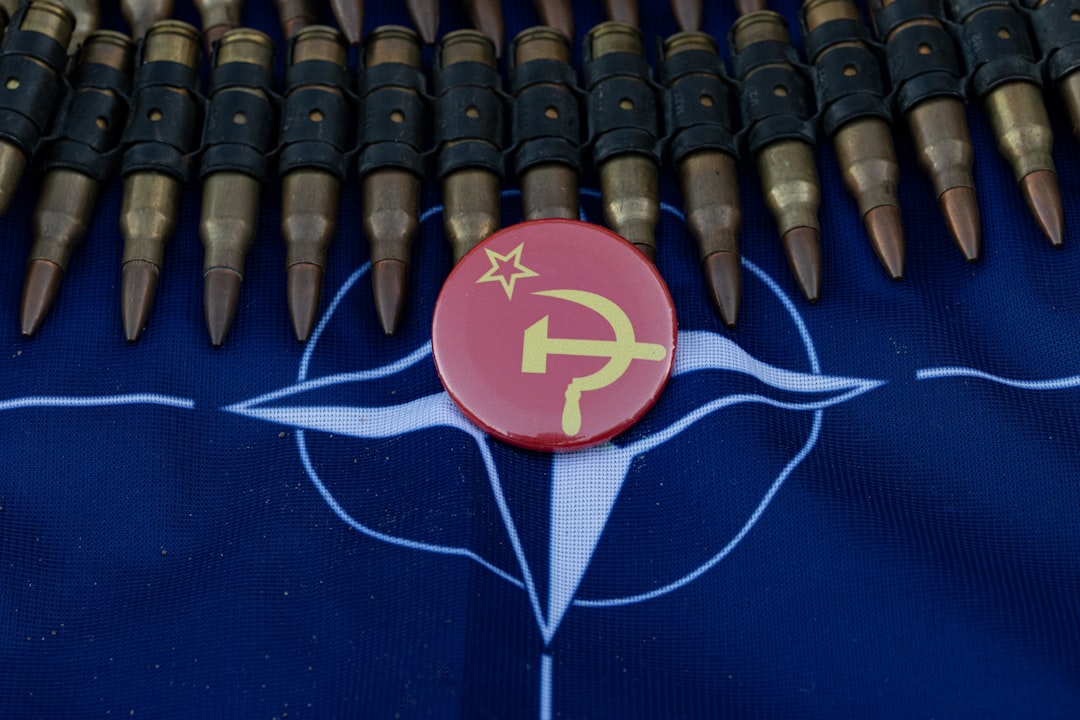
WATCH NOW▶️ Soviet submarine tracking technology
FAQs
What was the primary purpose of Soviet submarine tracking technology?
Soviet submarine tracking technology was developed to detect, monitor, and track enemy submarines, particularly those of NATO countries, to maintain strategic naval superiority during the Cold War.
What types of technologies did the Soviet Union use for submarine tracking?
The Soviet Union employed a combination of sonar systems, underwater hydrophone arrays, magnetic anomaly detectors, and satellite reconnaissance to track submarines.
How did the Soviet Navy deploy its submarine tracking systems?
The Soviet Navy deployed fixed underwater listening stations, mobile sonar-equipped vessels, and aircraft to monitor submarine activity across key maritime regions, including the Arctic and Atlantic Oceans.
Were Soviet submarine tracking technologies effective during the Cold War?
Yes, Soviet submarine tracking technologies were considered advanced for their time and played a crucial role in naval intelligence and deterrence, although they faced challenges against stealthier Western submarines.
Did Soviet submarine tracking technology influence modern naval tracking systems?
Many principles and technologies developed by the Soviet Union contributed to the evolution of modern submarine detection methods, influencing both Russian and global naval tracking capabilities.