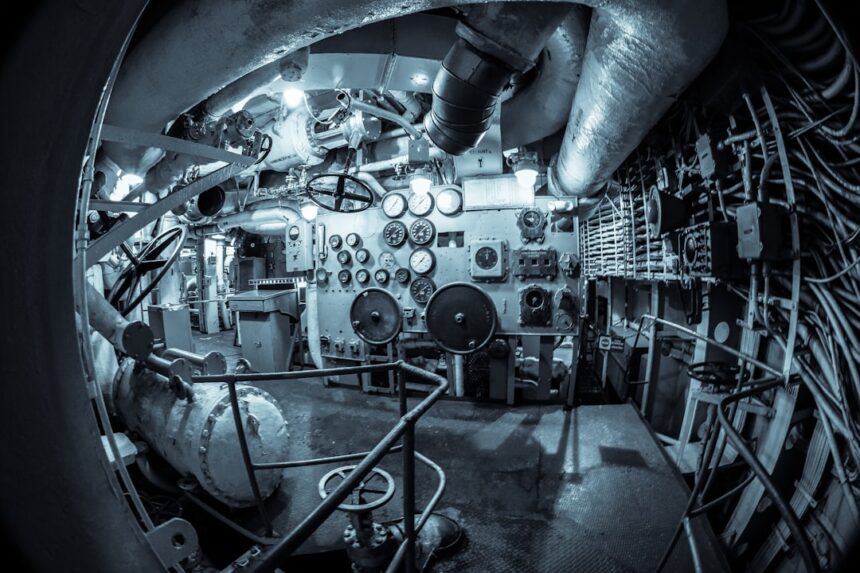
The path to commanding a submarine is not a typical career trajectory. It demands a unique blend of technical acumen, psychological resilience, and unwavering leadership. For those aspiring to this elite echelon, understanding the nuances of the selection and interview process is paramount. This article delves into the intricacies of submarine captain interviews, offering insights into the qualities assessed and the strategies employed by successful candidates.
The journey to the captain’s chair begins long before the final interview. It starts with a rigorous selection process designed to identify individuals with the inherent potential for command under extreme pressure. This initial vetting is akin to a miner sifting through ore, seeking the rare, unblemished gem.
Academic and Technical Foundations
A strong academic record is a prerequisite. Candidates are expected to demonstrate a solid grasp of fundamental engineering principles, physics, and mathematics – the bedrock upon which complex naval operations are built.
Core Competencies in STEM
The interview process will invariably probe a candidate’s understanding of naval architecture, propulsion systems, sonar technology, and weapon systems. This is not about rote memorization but about demonstrating an intuitive grasp of how these systems function and interact under various operational scenarios. Think of it as understanding the circulatory system of a massive, complex organism.
Problem-Solving Aptitude
Beyond theoretical knowledge, interviewers seek evidence of analytical thinking and structured problem-solving. Candidates will be presented with hypothetical technical challenges, ranging from minor equipment malfunctions to major system failures, and assessed on their logical deduction and proposed solutions. The ability to break down a complex problem into manageable parts is crucial.
Physical and Psychological Conditioning
The underwater environment is unforgiving. Submarines operate in a confined, isolated, and often stressful setting for extended periods. Therefore, physical and psychological resilience are non-negotiable.
Fitness and Endurance
While not a direct interview component, a documented history of physical fitness is essential. Those who have passed demanding physical assessments for naval service have already demonstrated a baseline level of health and stamina. The mental fortitude required to endure prolonged deployments, disrupted sleep cycles, and the constant awareness of potential dangers is what the interview aims to uncover.
Stress Management and Coping Mechanisms
Interviewers will explore how candidates react to pressure. This might involve situational questions designed to elicit responses under duress, or discussions about past experiences where they have successfully navigated high-stress environments. Demonstrating self-awareness regarding personal limitations and established coping strategies is key. Imagine a tightrope walker; their success lies not just in balance, but in their ability to remain calm and focused with the abyss below.
If you’re interested in uncovering the secrets behind successful submarine captain interviews, you might find the article on effective leadership strategies in high-pressure environments particularly insightful. This resource delves into the qualities that make a great leader in the military, which can be crucial for aspiring submarine captains. For more information, you can read the article here: Effective Leadership Strategies.
Decoding the Interview Questions: Beyond Surface Level
The interview for a submarine captaincy is not a simple Q&A. It is a carefully orchestrated process designed to reveal layers of a candidate’s character, judgment, and decision-making capabilities. The questions are seldom straightforward; they are designed to be multifaceted, like an iceberg, with much of the real substance hidden beneath the surface.
Leadership and Teamwork Scenarios
The core of submarine operations relies on effective leadership and seamless teamwork. Interviewers will scrutinize a candidate’s ability to inspire, motivate, and manage a diverse crew.
Leading Under Pressure
Questions will focus on past experiences in leadership roles, particularly those involving challenging circumstances. Candidates are expected to articulate their leadership philosophy, providing concrete examples of how they have made difficult decisions, resolved conflicts, and fostered a positive team environment. This is where you demonstrate you are the captain of your own ship, capable of steering it through any storm.
Fostering Subordinate Development
Effective captains invest in their crew. Interviewers will assess a candidate’s understanding of mentorship and their commitment to developing the skills and potential of those under their command. This involves understanding how to delegate effectively, provide constructive feedback, and empower individuals.
Ethical Decision-Making and Judgment
The responsibility of a submarine captain is immense, encompassing the lives of their crew and the successful execution of critical missions. Ethical considerations and sound judgment are therefore paramount.
Moral Compass in Complex Situations
Candidates will likely be presented with ethical dilemmas, requiring them to weigh competing values and make difficult choices. The focus is not on finding a single “right” answer, but on the candidate’s reasoning process, their ability to justify their decision, and their adherence to core naval principles. This is where you prove you understand the navigation lights of morality.
Risk Assessment and Mitigation
Submarine operations inherently involve calculated risks. The interview will explore a candidate’s approach to assessing potential threats, evaluating the probability and impact of risks, and implementing appropriate mitigation strategies. This is about balancing boldness with prudence.
The Art of the Response: Navigating the Interviewer’s Expectations
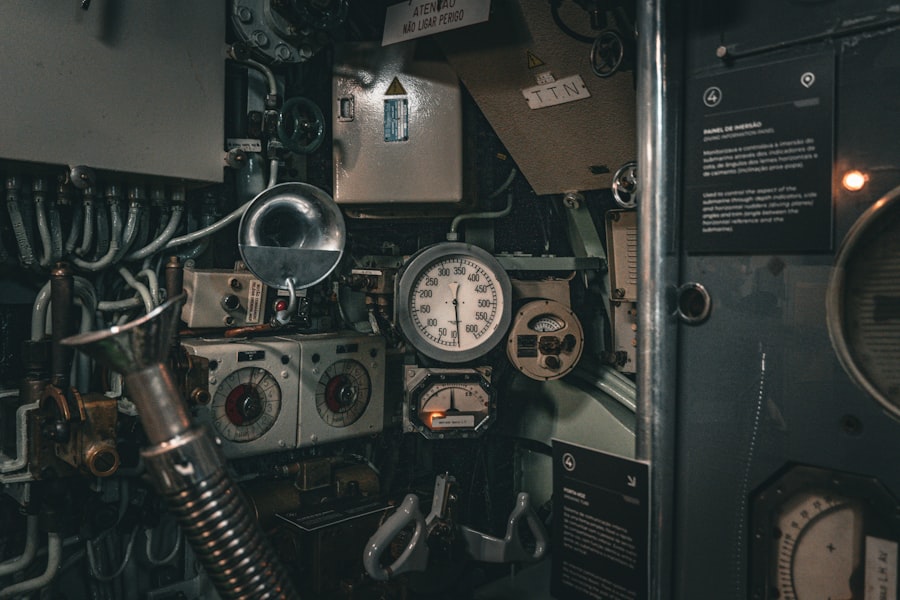
Successfully navigating a submarine captaincy interview requires more than just possessing the right qualities; it involves effectively communicating those qualities to the interview panel. This is an art form, a delicate dance of conveying competence without appearing arrogant, and demonstrating passion without succumbing to emotionality.
Constructing a Compelling Narrative
Interviewers are looking for coherence and self-awareness. Candidates should be able to weave a narrative that highlights their relevant experiences, skills, and motivations in a logical and engaging manner.
The STAR Method and Beyond
The STAR method (Situation, Task, Action, Result) is a valuable tool for structuring answers to behavioral questions. However, for the captaincy level, interviewers expect a deeper level of analysis, going beyond simply recounting an event to explaining the “why” behind their actions and the broader lessons learned. Think of it as not just showing the destination, but explaining the course plotted to get there.
Demonstrating Self-Awareness and Humility
While confidence is crucial, an overestimation of one’s abilities can be detrimental. Successful candidates acknowledge their limitations, demonstrate a willingness to learn, and exhibit humility. This involves being able to openly discuss mistakes and the lessons derived from them.
The Power of Silence and Active Listening
In the high-pressure environment of an interview, the ability to pause and consider a question before responding is a sign of thoughtful leadership. Active listening demonstrates respect and allows for a more nuanced and accurate response.
The Strategic Pause
A brief, calculated pause before answering a complex question can be more effective than a hasty, unconsidered response. It signals that the candidate is engaging in critical thinking and not simply reciting pre-rehearsed answers. This is like a sonar ping; it allows you to gauge the depth before committing to a course.
Understanding the Underlying Intent
Beyond the literal words of a question, interviewers often have an underlying intent. Demonstrating an ability to discern this intent and address the core concern is a hallmark of strong communication.
Beyond the Questions: The Unspoken Differentiators
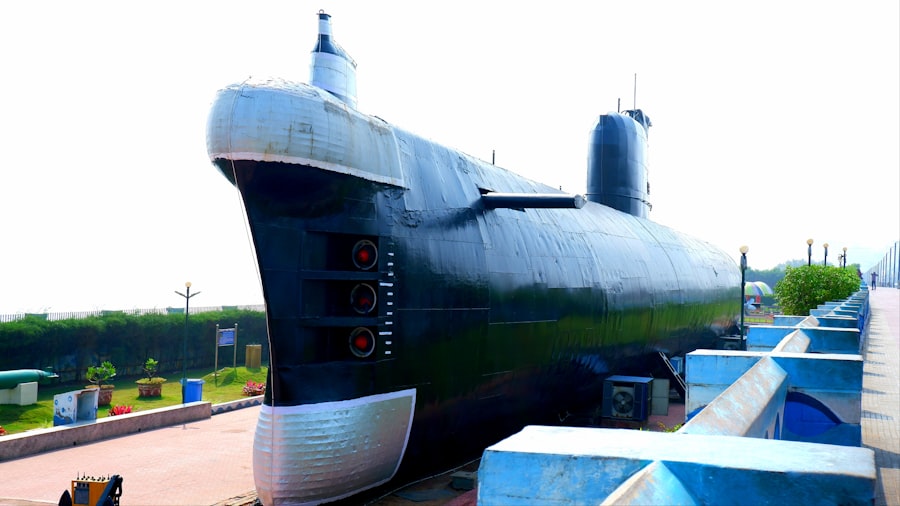
While technical expertise and leadership skills are rigorously assessed, several less tangible factors can significantly influence an interviewer’s final assessment. These are the subtle currents that can steer a candidate towards success or towards the seabed.
Command Presence and Demeanor
A submarine captain must project an aura of calm authority and unwavering resolve. This “command presence” is not something that can be easily faked; it stems from deep-seated confidence and a professional demeanor.
Composure Under Pressure
The ability to remain calm and collected, even when faced with challenging or unexpected questions, is paramount. This demonstrates psychological resilience and a capacity for leadership in adverse conditions. It’s the difference between a ship that lists in a storm and one that rides the waves with grace.
Professionalism and Respect
Maintaining a professional and respectful attitude throughout the interview process is non-negotiable. This includes punctuality, appropriate attire, and respectful interaction with all members of the interview panel.
Passion and Commitment to Service
The demanding nature of submarine command requires a profound sense of purpose and a deep commitment to naval service. Interviewers seek individuals who are not merely seeking a promotion but who are driven by a genuine desire to serve and protect.
Articulating a Vision for Command
Successful candidates can articulate a clear vision for their leadership as a submarine captain, demonstrating an understanding of the broader strategic goals and their role in achieving them. This isn’t just about running a ship; it’s about stewarding a vital national asset.
Demonstrating Long-Term Dedication
Interviewers will look for evidence of a sustained commitment to a naval career and a clear understanding of the sacrifices and rewards associated with submarine command. This is about showing you are prepared to anchor yourself in this challenging role for the long haul.
In the quest to uncover the intricacies of submarine operations, one can gain valuable insights from an article that delves into the unique challenges faced by submarine captains during interviews. This piece not only highlights the essential skills required for such a demanding role but also offers tips on how to effectively communicate one’s experiences. For those interested in exploring this topic further, check out the related article on submarine captain interview secrets at In the War Room.
The Final Approach: Post-Interview Considerations
| Metric | Description | Importance Level | Tips for Success |
|---|---|---|---|
| Leadership Skills | Ability to lead a crew under high-pressure situations | High | Provide examples of past leadership roles and crisis management |
| Technical Knowledge | Understanding of submarine systems and operations | High | Review submarine mechanics, navigation, and safety protocols |
| Decision-Making Ability | Capability to make quick and effective decisions | High | Discuss scenarios where rapid decisions were critical |
| Stress Management | Handling stress in confined and challenging environments | Medium | Share techniques for maintaining calm and focus |
| Communication Skills | Clear and concise communication with crew and command | High | Demonstrate ability to convey complex information effectively |
| Physical Fitness | Maintaining health and stamina for demanding conditions | Medium | Highlight fitness routines and medical readiness |
| Teamwork | Collaborating effectively with diverse crew members | High | Provide examples of successful team projects or missions |
| Knowledge of Naval Protocols | Familiarity with naval rules, regulations, and traditions | Medium | Study naval codes and demonstrate respect for protocol |
The interview process doesn’t end when the candidate leaves the room. Post-interview actions and reflections can further solidify a candidate’s candidacy and demonstrate continued professionalism.
The Thank You Note: A Strategic Communication Tool
A well-crafted thank you note can be an opportunity to reiterate key strengths, address any points that may have been misunderstood, and further demonstrate professionalism.
Reaffirming Strengths and Interest
The note should briefly highlight crucial skills and experiences discussed during the interview, reinforcing the candidate’s suitability for the role. It’s a chance to re-deploy your most powerful communication assets.
Addressing Any Lingering Concerns (Delicately)
If there was a particular question or area where the candidate felt they could have articulated their response better, a carefully worded addition can be beneficial. However, this must be done with extreme caution to avoid appearing defensive or overreaching.
Continuous Self-Reflection
The interview process itself is a valuable learning experience. Candidates should take time to reflect on their performance, identifying areas of strength and areas for improvement for future endeavors.
Learning from the Experience
Every interview, regardless of outcome, offers insights into the expectations of leadership roles. Analyzing one’s performance can lead to valuable personal and professional growth, preparing them for future challenges. This is akin to studying the charts after a challenging voyage; what went well, and what could have been navigated differently?
Persistence for Future Opportunities
The path to command is often a marathon, not a sprint. Even if unsuccessful, a candidate’s resilience and continued dedication to professional development can pave the way for future opportunities. The submarine service values tenacity, and demonstrating it post-interview is a significant virtue.
In conclusion, the interview process for a submarine captaincy is a comprehensive evaluation designed to identify individuals with the exceptional qualities required to lead in one of the most demanding roles in modern military service. By understanding the underlying expectations, preparing thoroughly, and communicating effectively, aspiring captains can navigate these crucial interviews and set their course for success.
FAQs
What qualifications are typically required to become a submarine captain?
To become a submarine captain, candidates usually need a strong background in naval service, including extensive experience in submarine operations, leadership skills, and completion of specialized training programs. A bachelor’s degree in a relevant field such as engineering or naval science is often required, along with successful completion of officer training and submarine command courses.
What types of questions are commonly asked in a submarine captain interview?
Interview questions for submarine captain positions often focus on leadership abilities, decision-making under pressure, technical knowledge of submarine systems, crisis management, and teamwork. Candidates may also be asked about their experience with navigation, safety protocols, and handling emergency situations.
How can candidates prepare for a submarine captain interview?
Preparation involves reviewing submarine operations, leadership principles, and safety procedures. Candidates should be ready to discuss past experiences managing teams and handling high-stress situations. Practicing responses to behavioral and technical questions, as well as understanding current naval strategies and technologies, can be beneficial.
What personal qualities are important for a submarine captain?
Key qualities include strong leadership, excellent communication skills, decisiveness, resilience, and the ability to remain calm under pressure. A submarine captain must also demonstrate integrity, teamwork, adaptability, and a commitment to safety and mission success.
Are there any physical or medical requirements for submarine captains?
Yes, submarine captains must meet specific physical and medical standards due to the demanding environment aboard submarines. This typically includes good vision and hearing, cardiovascular fitness, and the ability to handle confined spaces and extended periods underwater. Regular medical evaluations are conducted to ensure ongoing fitness for duty.