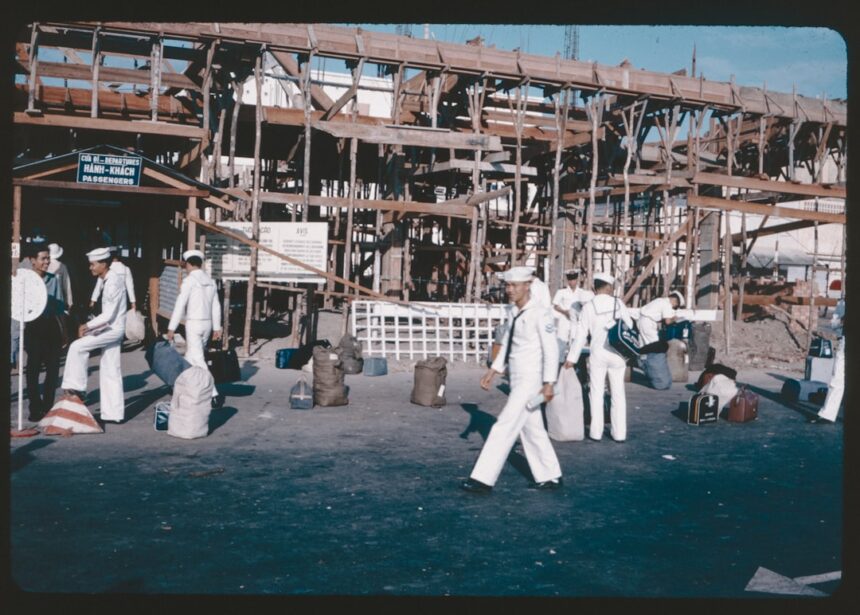
The veil of secrecy surrounding certain chapters of naval history has begun to lift. For decades, the United States Navy, a formidable force that has shaped global events, operated with a significant portion of its operational details shrouded in classified documents. Now, a wave of declassification efforts is starting to pull back these curtains, offering a valuable window into previously obscured facets of its past. This unveiling is not a sensational exposé designed to shock, but rather a methodical process of bringing to light information that can enrich our understanding of naval strategy, technological evolution, and the human element within a vast and powerful organization.
The declassification of historical documents is rarely a sudden deluge; it is more akin to the slow unfurling of a centuries-old map, revealing forgotten coastlines and uncharted territories. This process is governed by stringent regulations and a meticulous review system, designed to protect national security while simultaneously allowing for the advancement of historical knowledge. The information emerging is diverse, encompassing everything from the intricacies of early submarine warfare to the deployment of cutting-edge espionage technologies. It is a testament to the ongoing efforts of government agencies, historians, and researchers who tirelessly advocate for the release of information that no longer poses a threat to national security.
Why Declassify? The Imperative of Transparency and Historical Accuracy
The core impetus behind declassification stems from a dual imperative: transparency and historical accuracy. For too long, certain narratives have been constructed in the absence of complete information, leaving gaps that can lead to misinterpretations or even incomplete understandings of crucial events. By releasing relevant documents, the aim is to provide a more robust foundation for historical analysis, allowing scholars and the public alike to engage with a more nuanced and accurate portrayal of past naval activities. This is not about rewriting history for the sake of sensationalism, but about refining it, adding layers of detail that were once beyond reach.
The Mechanisms of Unveiling: How Declassification Works
The process of declassification is a complex interplay of legislation, agency policy, and researcher initiative. The Freedom of Information Act (FOIA) serves as a primary legal framework, empowering individuals to request access to government records. However, declassification also occurs proactively, as agencies periodically review and release documents deemed to be of historical interest and no longer sensitive. This is an ongoing dialogue between those who hold the information and those who seek to understand it, a carefully orchestrated dance between preservation and dissemination.
The declassification of historical documents related to the U.S. Navy has shed new light on significant events and operations that shaped naval warfare. For those interested in exploring this fascinating topic further, a related article can be found at this link, which delves into the implications of these revelations and their impact on our understanding of naval history.
Echoes from the Deep: Declassified Submarine Warfare Histories
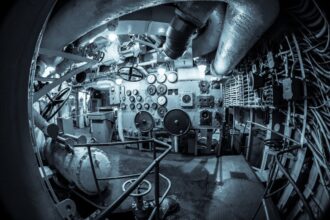
The silent service, the U.S. Navy’s submarine force, has long been a realm of profound mystery. The very nature of submarine operations – conducted beneath the waves, often in enemy waters – lent itself to the highest levels of secrecy. Now, declassified documents are illuminating the strategic thinking, technological advancements, and operational challenges faced by submariners throughout history. These revelations offer a granular look at a critical component of naval power.
Early Submarine Development: From Novelty to Necessity
The initial stages of submarine development were marked by both innovation and considerable doubt. Declassified blueprints and experimental reports from the early 20th century reveal the iterative process of design and testing, highlighting the numerous challenges in creating a vessel capable of sustained underwater operations. We can now see how concepts like the snorkel, a seemingly simple device, represented significant leaps forward in endurance and operational flexibility, transforming the submarine from a curious experiment into a formidable weapon.
World War II Submarine Operations: Beyond the Doughnut Hole
Much of the public perception of World War II submarine warfare, particularly in the Pacific, is dominated by dramatic portrayals. Declassified patrol reports, intelligence summaries, and operational orders provide a starkly different, yet equally compelling, reality. They detail the immense risks involved, the strategic importance of interdiction missions against Japanese supply lines, and the often-unsung heroism displayed by crews. These documents paint a picture of a relentless, grinding campaign where success was measured in tonnage sunk and the successful completion of seemingly impossible missions.
The Cold War Undersea: A Shadowy Dance of Deterrence
The Cold War saw the submarine force evolve into a cornerstone of nuclear deterrence and intelligence gathering. Declassified accounts of sonar capabilities, acoustic intelligence gathering, and the deployment of ballistic missile submarines offer a glimpse into this tense era. We can now understand the intricate cat-and-mouse games played beneath the waves, the constant vigilance required, and the strategic calculus that underpinned the maintenance of a stable, albeit terrifying, peace. The sheer scale of the perceived threat and the resources dedicated to submarine operations during this period are truly staggering.
Wings Over the Waves: Naval Aviation’s Evolving Strategies
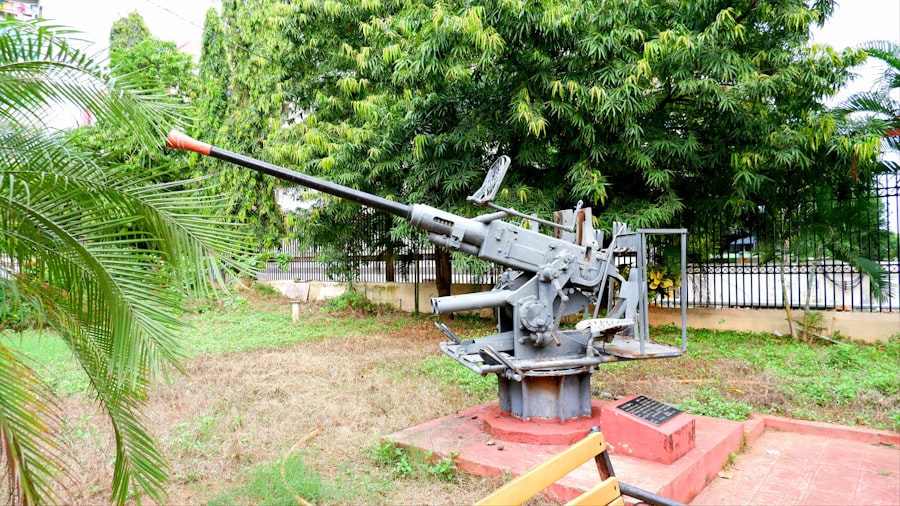
Naval aviation, with its carrier strike groups forming the sharp edge of American military projection, has always been a dynamic and technologically driven field. The declassification of documents related to naval aviation is shedding light on the strategic debates, technological leaps, and the integration of air power into maritime operations.
The Dawn of Naval Aviation: From Biplanes to Battleships
The early years of naval aviation, a period when aircraft were a new and somewhat uncertain addition to the fleet, are now being more fully understood. Declassified correspondence and technical manuals from the interwar period reveal the initial skepticism and nascent enthusiasm surrounding naval aircraft. We can trace the evolution from fragile biplanes operating from converted colliers to the development of specialized aircraft carriers, a revolutionary concept that fundamentally altered naval warfare. The transition was not smooth, and the debates about the role of aircraft carriers versus battleships were fierce, with hindsight now framing the eventual triumph of the carrier.
World War II Carrier Warfare: The Turning Tides
The Pacific theater of World War II was arguably the most significant proving ground for naval aviation. Declassified after-action reports, pilot debriefings, and strategic directives illuminate the pivotal role of aircraft carriers in battles like Midway, Guadalcanal, and Leyte Gulf. These documents detail the tactical innovations, the brutal effectiveness of carrier-based strikes, and the immense losses suffered by both sides. They reveal the learning curve inherent in this new form of warfare, where tactics had to constantly adapt to emerging threats and capabilities.
Jet Age Innovations: Pushing the Boundaries of Speed and Power
The advent of jet aircraft in naval aviation ushered in a new era of speed and sophistication. Declassified performance data, developmental plans, and pilot training manuals from the post-war period showcase the rapid advancement in technology. We can see the challenges in adapting jet propulsion to carrier operations, the development of catapults and arrestor gear to handle higher speeds and weights, and the increasing emphasis on electronic warfare and advanced weaponry. This was a period of explosive growth, where the skies above the ocean became a more contested and complex domain.
The Shadow War: Intelligence and Espionage at Sea
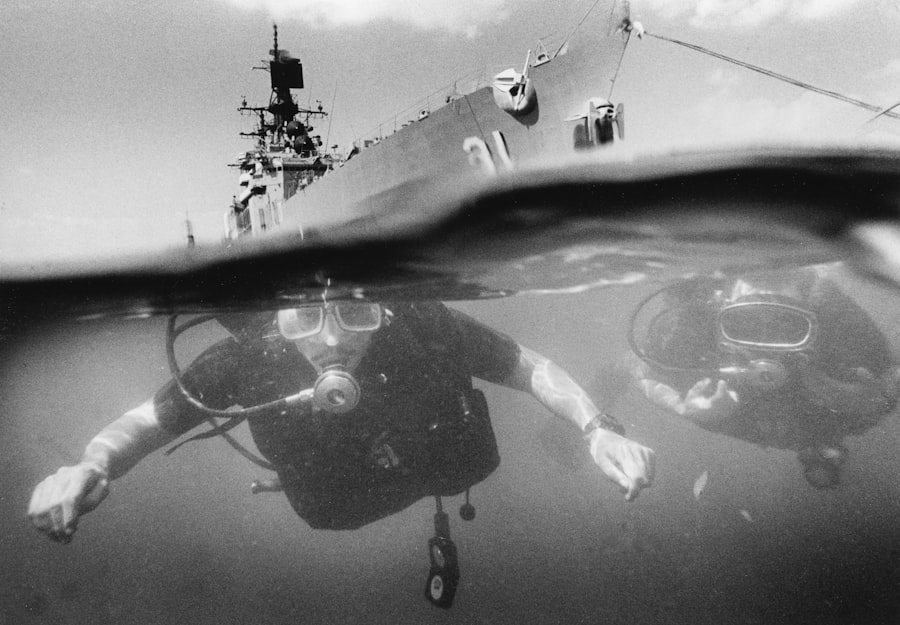
Naval operations have always been intertwined with intelligence gathering and covert actions. The declassification of documents related to these activities is providing unprecedented insight into the covert efforts undertaken to gain strategic advantages.
Signals Intelligence: Listening to the Enemy’s Whispers
The development and deployment of signals intelligence (SIGINT) capabilities have been crucial for naval operations. Declassified documents are revealing the evolution of intercept technologies, the analysis of intercepted communications, and the strategic importance of gaining insights into enemy intentions and capabilities. From the cracking of seemingly unbreakable codes in wartime to the passive listening for subtle shifts in naval activity during peacetime, SIGINT has been a silent but potent weapon.
Covert Operations and Special Missions: Unveiling the Unseen
Certain naval missions are inherently clandestine, designed to operate beyond the direct gaze of adversaries. Declassified accounts of special operations, reconnaissance missions, and intelligence gathering under the guise of routine patrols are beginning to surface. These narratives often involve small teams undertaking high-risk endeavors, their successes and failures meticulously documented in classified reports that are now gradually becoming accessible. They speak to a different kind of bravery, one characterized by stealth and meticulous planning in the face of extreme danger.
The Role of Naval Intelligence in Strategic Decision-Making
Declassified intelligence assessments and strategic briefs highlight the crucial role that naval intelligence played in shaping high-level decisions. These documents demonstrate how information gathered at sea, whether through overt patrols or covert means, directly influenced diplomatic strategies, military deployments, and ultimately, the course of international relations. It is a stark reminder that behind every major geopolitical event, there is often a complex web of intelligence that informs action.
The declassification of documents related to US Navy history has unveiled a treasure trove of insights into naval operations and strategies throughout the years. For those interested in exploring this fascinating topic further, an article that delves into the implications of these declassified records can be found at In The War Room. This resource provides a comprehensive analysis of how these revelations shape our understanding of naval warfare and the evolution of the US Navy.
Technological Frontiers: Innovations and Their Impact
| Year | Event | Description | Declassification Date |
|---|---|---|---|
| 1945 | Operation Crossroads | Series of nuclear tests conducted at Bikini Atoll to study the effects of atomic bombs on naval vessels. | 1996 |
| 1962 | Cuban Missile Crisis Naval Blockade | US Navy enforced a quarantine around Cuba to prevent Soviet missile shipments during the Cold War. | 1992 |
| 1943 | Battle of Midway | Decisive naval battle in the Pacific Theater of WWII, turning point against Japan. | 1980 |
| 1972 | Operation Linebacker II | US Navy air strikes against North Vietnam during the Vietnam War. | 2007 |
| 1947 | Establishment of the US Navy’s Special Warfare Command | Formation of Navy SEALs precursor units for unconventional warfare. | 1990 |
The U.S. Navy has been a consistent driver of technological innovation, and declassified documents are illuminating the long and often arduous path from concept to widespread implementation.
Ballistic Missile Defense: Shielding the Seas
The development of technologies aimed at intercepting ballistic missiles has been a significant undertaking. Declassified project histories and technical specifications reveal the immense scientific and engineering challenges involved in creating effective anti-ballistic missile systems for naval platforms. These documents chart the evolution of radar, interceptor missile technology, and the complex targeting systems required to achieve this critical defensive capability.
Electronic Warfare: Mastering the Electromagnetic Spectrum
The ability to control and deny the enemy the use of the electromagnetic spectrum is paramount in modern warfare. Declassified documents related to electronic warfare detail the development of jamming technologies, electronic countermeasures, and the sophisticated systems designed to protect naval assets from electronic attack. These accounts often highlight the constant arms race in this domain, where advancements by one side necessitate rapid counter-advancements by the other.
The Integration of Digital Technologies: From Analog to Cyber
The transition from analog to digital systems has profoundly impacted naval operations. Declassified design documents and operational analyses showcase the challenges and breakthroughs in integrating digital computing power into complex naval systems, from navigation and fire control to communication and logistics. This process was not always seamless, and the declassified records offer a glimpse into the early struggles and eventual triumphs of incorporating digital technologies into a historically analog domain.
The Human Element: Stories of Courage, Sacrifice, and Resilience
While technology and strategy are crucial, the U.S. Navy’s history is ultimately written by the individuals who served. Declassified personal accounts, oral histories, and even some redacted personnel files are starting to offer a more intimate perspective on the human experience of naval service.
Personnel Records and the Evolution of Naval Life
While privacy concerns mean that many personnel records remain protected, the declassification of certain aggregated data and historical summaries can offer insights into the demographics of the Navy throughout its history, changing recruitment patterns, and the evolution of living conditions aboard ships. This provides a social history that complements the strategic narratives.
Courage Under Fire: Accounts of Gallantry
Beyond official commendations, declassified interviews and sworn statements can sometimes offer more personal testimonies of courage and sacrifice in the face of extreme adversity. These are often raw and unvarnished accounts that bring the human cost of conflict into sharp relief, detailing acts of bravery that might otherwise have remained largely unknown beyond the immediate participants.
The Psychological Toll of Service: Unveiling Hidden Struggles
The demanding nature of naval service, particularly in combat zones, has a profound psychological impact. While formal studies of mental health in the military are relatively recent, declassified medical and psychological assessments from earlier periods, where available and appropriately anonymized, can offer glimpses into the unspoken struggles faced by sailors and officers. This is a sensitive area, but its gradual unveiling contributes to a more complete understanding of the sacrifices made.
The ongoing declassification of U.S. Navy history is a vital undertaking. It is not merely an academic exercise but a crucial step towards a more comprehensive and accurate understanding of a significant force that has shaped the modern world. As more documents are released, the currents of history will become clearer, allowing for deeper reflections on the strategies, technologies, and, most importantly, the people who have served aboard the ships and submarines that patrol the world’s oceans. The unveiled past is not a static monument, but a living testament that continues to inform the present and guide the future.
FAQs
What is “US Navy History Declassified” about?
“US Navy History Declassified” is a series or collection that reveals previously classified or lesser-known information about the history, operations, and missions of the United States Navy. It provides insights into naval battles, technology, intelligence, and strategic decisions that were once secret.
Why was certain US Navy history classified initially?
Certain aspects of US Navy history were classified to protect national security, maintain operational secrecy, safeguard intelligence sources and methods, and prevent adversaries from gaining strategic advantages during conflicts or sensitive missions.
How does declassification impact our understanding of US Navy history?
Declassification allows historians, researchers, and the public to access accurate and detailed information about naval events and decisions. It helps correct misconceptions, provides a fuller picture of historical events, and honors the contributions of service members by sharing their stories.
Where can one access declassified US Navy historical documents?
Declassified US Navy documents can be accessed through the National Archives, the Naval History and Heritage Command, official government websites, and sometimes through Freedom of Information Act (FOIA) requests. Some materials are also published in books or documentaries.
Are all US Navy historical records eventually declassified?
Not all US Navy records are declassified. Some information remains classified indefinitely due to ongoing security concerns, the sensitivity of the content, or the potential risk to current military operations and personnel. Declassification decisions are made on a case-by-case basis.