The delicate balance of terror, meticulously constructed over decades, buckled and ultimately fractured, plunging the world into an era where the specter of nuclear annihilation loomed larger and more immediate than ever before. The Cold War, a protracted ideological struggle waged in shadows and proxy conflicts, had found its uneasy anchor in the doctrine of Mutually Assured Destruction (MAD). Yet, the seemingly unshakeable foundation of nuclear deterrence proved to be a fragile edifice, susceptible to the insidious erosion of technological advancements, shifting geopolitical landscapes, and the inherent fallibility of human judgment. This article will explore the cascading events and critical junctures that led to the shattering of Cold War nuclear deterrence, examining the profound implications for global security.
The Genesis of MAD: A Nuclear Standoff
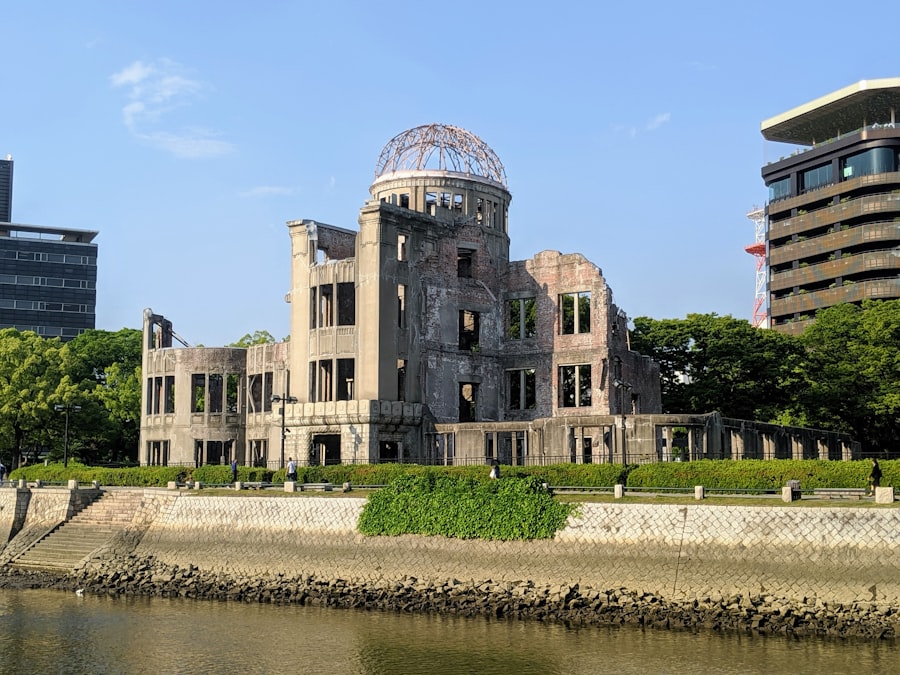
The advent of nuclear weapons in the mid-20th century, marked by the devastating bombings of Hiroshima and Nagasaki, fundamentally reshaped the nature of warfare and international relations. The immediate post-war period saw a rapid escalation of nuclear weapons development, primarily by the United States and the Soviet Union. This arms race, fueled by mutual suspicion and ideological animosity, birthed the concept of Mutually Assured Destruction. The core principle of MAD was simple, yet terrifying: any nuclear attack launched by one superpower would inevitably result in a retaliatory strike capable of annihilating the attacker, thus ensuring the destruction of both parties. This grim calculus served as a potent, albeit chilling, deterrent. The logic was akin to two individuals standing with loaded guns pointed at each other’s heads; neither could pull the trigger without facing immediate and certain death. The knowledge of this shared fate acted as a leash, restraining the superpowers from direct military confrontation, a scenario that would undoubtedly have spiraled into nuclear catastrophe.
The Paradox of Peace: An Arms Race as a Stabilizer
Ironically, the very proliferation of nuclear weapons, which on the surface represented an existential threat, paradoxically contributed to a period of relative global peace between the superpowers. This era, often termed the “long peace,” was characterized by an absence of direct large-scale conflict between the United States and the Soviet Union. The sheer destructive potential of nuclear arsenals acted as a potent disincentive for aggression. The costs of initiating hostilities that could escalate to nuclear war were simply too high, creating an invisible but formidable barrier. This wasn’t a peace born of newfound amity, but rather a grim understanding that the consequences of breaking the peace were unbearable. The arms race itself, while a source of global anxiety, became a perverse kind of stabilizer, as each superpower invested immense resources in ensuring their retaliatory capabilities, thereby reinforcing the MAD doctrine. It was a high-stakes poker game where the pot was the survival of humanity, and bluffing was a dangerous, but sometimes necessary, strategy.
The Strategic Triad: Ensuring Second-Strike Capability
Central to the effectiveness of MAD was the concept of a “second-strike capability.” This meant that a nation must possess the ability to launch a nuclear counterattack even after suffering a first nuclear strike. To achieve this, the major nuclear powers developed what became known as the “strategic triad”: land-based intercontinental ballistic missiles (ICBMs), submarine-launched ballistic missiles (SLBMs), and strategic bombers carrying nuclear weapons. Each leg of the triad offered a different mode of delivery and survivability. ICBMs, launched from hardened silos, were designed for rapid deployment. SLBMs, launched from submarines, offered unparalleled survivability due to their mobility and stealth. Strategic bombers, while potentially vulnerable to interception, provided flexibility and the ability to re-target or abort missions. The redundancy and survivability inherent in the triad meant that no single attack could disarm a nation. This diversified approach was the bedrock upon which the confidence in MAD was built, providing a robust guarantee that a first strike would not go unanswered.
The concept of nuclear deterrence during the Cold War has been extensively analyzed, highlighting the delicate balance of power that defined international relations in that era. A related article that delves deeper into the intricacies of this topic can be found on In The War Room, which discusses how the strategies employed during the Cold War continue to influence modern military tactics and geopolitical strategies. For more insights, you can read the article here: In The War Room.
Cracks in the Armor: Technological Advancements and Shifting Doctrines
The Mirage of Missile Defense: A Quest for Invulnerability
Despite the perceived effectiveness of MAD, a persistent desire for a decisive advantage, or at least a means to mitigate the damage of a nuclear attack, fueled research into missile defense systems. The notion of becoming immune to nuclear retaliation, a “breakout” from the MAD paradigm, was a tempting prospect for strategists and political leaders alike. The development of anti-ballistic missile (ABM) systems, particularly in the United States, represented a significant challenge to the existing deterrence framework. If a nation could successfully defend itself against incoming missiles, the core tenet of MAD – that both sides would be destroyed – would be undermined. This pursuit of invulnerability was akin to seeking a chink in the armor of a dragon; the potential to inflict a fatal blow while remaining unharmed was a powerful, even seductive, idea. However, the technological hurdles were immense, and the offensive capabilities of offensive missiles consistently outpaced defensive measures.
The Nuances of Escalation: Flexible Response and Limited Nuclear War
As the Cold War matured, the stark binary of total nuclear war began to be questioned. Military thinkers and political strategists started to explore concepts of “flexible response” and “limited nuclear war.” The idea was that nuclear weapons might be used in a more graduated fashion, short of a full-scale strategic exchange. This involved the development of smaller, more “tactical” nuclear weapons, intended for use on the battlefield, and a broader spectrum of escalation options. This shift represented a dangerous departure from the clear-cut logic of MAD. It introduced a level of complexity and ambiguity that made escalation more palatable, and thus potentially more likely. The notion of a “limited nuclear war,” while intended to avoid total annihilation, carried the immense risk of a “grey goo” scenario, where a limited exchange could rapidly spiral into an all-out conflict due to miscalculation, accident, or unintended escalation. These new doctrines chipped away at the certainty of MAD, introducing a fog of uncertainty into the strategic landscape.
The Emergence of Nuclear Proliferation: A Widening Web of Risk
The carefully managed nuclear standoff between two superpowers, while fraught with tension, offered a degree of predictability. The proliferation of nuclear weapons to additional states, however, introduced a far more complex and potentially volatile dynamic. As more nations acquired nuclear capabilities, the number of actors with the potential to initiate a nuclear conflict increased exponentially. This created a “shattered mirror” effect, where the reflection of deterrence was no longer confined to two giant panes, but fragmented into countless smaller, uneven surfaces, each with its own unique set of interests, anxieties, and potential triggers. The risks of accidental use, of regional conflicts escalating to nuclear dimensions, and of nuclear materials falling into the hands of non-state actors became significantly heightened. The careful choreography of MAD, designed for a bipolar world, struggled to adapt to a multipolar nuclear landscape.
The Erosion of Trust: Espionage, Deception, and Miscalculation
The Shadow Play of Intelligence: Deception and Counter-Deception
The Cold War was a period of intense intelligence gathering and clandestine operations. Espionage, disinformation campaigns, and counter-intelligence efforts played a crucial role in shaping perceptions and influencing strategic decisions. The constant flow of intelligence, often deliberately manipulated or misinterpreted, created an environment where trust was a rare commodity. Each side sought to uncover the other’s true intentions and capabilities, leading to a perpetual game of cat and mouse. The accuracy of intelligence was paramount, as a mistaken assessment could have catastrophic consequences. This constant state of suspicion and the potential for deception were like a corrosive acid, slowly eating away at the foundations of any genuine understanding, creating a fertile ground for miscalculation.
The Cuban Missile Crisis: A Breath Held in Terror
The Cuban Missile Crisis of 1962 stands as perhaps the most potent illustration of how easily the fragile edifice of deterrence could be shattered. The discovery of Soviet ballistic missile sites in Cuba, capable of striking much of the United States, brought the world to the precipice of nuclear war. For thirteen agonizing days, the superpowers engaged in a tense standoff, with military forces on high alert and the specter of nuclear annihilation hanging heavy in the air. The crisis highlighted the inherent dangers of miscalculation and the extreme pressure placed upon leaders during moments of heightened tension. It was a stark reminder that the abstract theories of deterrence could, in a heartbeat, become a horrifying reality. The successful resolution of the crisis, achieved through a delicate combination of brinkmanship and back-channel diplomacy, was a testament to the extraordinary efforts made to pull back from the abyss. However, the memory of that near-catastrophe served as a constant, unsettling reminder of the inherent fragility of the peace.
The Domino Effect of Accidental Launches: Human Error and Technical Glitches
Beyond deliberate acts of aggression, the potential for accidental nuclear war loomed large. The complexity of nuclear command and control systems, coupled with the ever-present possibility of human error, technical malfunction, or even natural phenomena like solar flares, created a persistent vulnerability. Scenarios of false alarms, misinterpreted signals, or unauthorized launches, though statistically improbable, were deeply concerning. The NORAD (North American Aerospace Defense Command) incident in 1983, where a Soviet early warning system falsely detected multiple incoming US missiles, bringing the USSR to the brink of retaliatory launch, is a chilling example. These near misses, like the subtle tremors beneath a seemingly stable earth, underscored the precarious nature of relying on intricate technological systems and human vigilance to prevent global catastrophe. The possibility of a single rogue button press, a glitch in the matrix of control, threatened to unravel the entire deterrent fabric.
The Shifting Sands of Geopolitics: New Actors and New Threats
The Rise of Non-State Actors: A Hydra’s Head of Terror
As the Cold War receded, the nature of security threats began to evolve. The emergence of non-state actors, armed with a destructive ideology and increasingly sophisticated methods, presented a new and formidable challenge to traditional deterrence strategies. Terrorist organizations, seeking to inflict maximum damage and sow widespread fear, became a growing concern. The potential for these groups to acquire or develop nuclear weapons, or to use radiological materials to create “dirty bombs,” introduced a new dimension of insecurity. Unlike nation-states, these actors lacked fixed borders, clear political objectives that could be negotiated, and a tangible homeland that could be threatened with retaliation. Deterrence, as it had been understood during the Cold War, struggled to find leverage against such elusive and ideologically driven adversaries. The enemy was no longer a recognizable superpower with a recognizable face, but a hydra with countless heads, each capable of inflicting a different kind of wound.
The Nuclear Club Expands: A Dangerous Diffusion of Power
Over time, the “nuclear club,” once the exclusive domain of a few superpowers, began to expand. Nations like India, Pakistan, North Korea, and Israel, for various strategic and security reasons, developed and possessed nuclear weapons. This proliferation meant that the delicate balance of power, once centered around a bipolar world, became increasingly complex and multipolar. Each new nuclear state brought with it its own set of regional rivalries, historical grievances, and unique security dilemmas. The risk of a localized conflict escalating to a nuclear exchange, involving states with less robust command and control systems and potentially more volatile political environments, increased significantly. The once-tightly controlled nuclear fire, now scattered amongst more hands, carried the inherent risk of uncontrolled ignitions.
The Challenge of Rogue States: Unpredictable Behavior and Asymmetric Threats
The concept of “rogue states” emerged as a critical challenge to the existing security architecture. These states, characterized by their authoritarian regimes, aggressive foreign policies, and pursuit of weapons of mass destruction, operated outside the norms of international behavior. Their actions were often unpredictable and their intentions difficult to discern. The risk of such states developing or using nuclear weapons, or supporting non-state actors in their pursuit of such capabilities, posed a direct threat to global security. Deterring these actors, who might not adhere to the same logic of self-preservation as established powers, proved to be an immense challenge. Their willingness to embrace asymmetric warfare and to exploit vulnerabilities created a constant state of unease, exposing the limitations of traditional deterrence models.
The concept of nuclear deterrence during the Cold War has been a subject of extensive analysis and debate, particularly regarding its effectiveness and the potential for catastrophic failure. A related article that delves deeper into this topic can be found at this link, which explores how the strategies employed during that era shaped modern military policies and international relations. Understanding these dynamics is crucial for comprehending the delicate balance of power that still influences global security today.
The Aftermath and the Lingering Shadow: A World Transformed
| Metric | Cold War Period | Post-Cold War Period | Notes |
|---|---|---|---|
| Number of Nuclear Warheads | Approximately 70,000 (peak in mid-1980s) | Approximately 13,000 (as of early 2020s) | Significant reduction due to arms control treaties |
| Number of Nuclear-Armed States | 2 (USA and USSR) | 9 recognized nuclear states | Proliferation increased post-Cold War |
| Incidents of Nuclear Deterrence Breakdown | 0 (No direct nuclear conflict) | Several close calls and crises | Examples include 1995 Norwegian rocket incident, 2019 false alarms |
| Major Arms Control Treaties | SALT I & II, INF Treaty, START I | New START, Treaty on the Prohibition of Nuclear Weapons (not signed by all) | Efforts to maintain deterrence and reduce arsenals |
| Deterrence Strategy | Mutually Assured Destruction (MAD) | Shift towards deterrence with limited use and missile defense | Changing doctrines reflect evolving geopolitical landscape |
The Arms Control Treaties: Tenuous Threads of Stability
In the wake of the Cold War, numerous arms control treaties and agreements were established with the aim of managing and reducing nuclear arsenals. Treaties like the Strategic Arms Reduction Treaties (START), the Intermediate-Range Nuclear Forces Treaty (INF), and the Nuclear Non-Proliferation Treaty (NPT) represented significant efforts to create a more stable international environment. These agreements, while not eradicating the threat of nuclear weapons, aimed to limit their proliferation and promote transparency. They were like fragile bridges built across a chasm of potential conflict, offering a path towards de-escalation and cooperation. However, the effectiveness of these treaties often depended on the political will of the signatory nations and the ability to verify compliance, making them susceptible to political pressures and technological evasions.
The Persistence of Nuclear Arsenals: A Legacy of Fear
Despite the end of the Cold War and the subsequent arms control efforts, the vast majority of nuclear weapons remain in existence. The dismantling of entire arsenals proved to be a complex and politically challenging undertaking. The sheer scale of these weapons, the technical expertise required for their safe deactivation, and the underlying security concerns that motivated their creation in the first place meant that their legacy continued to cast a long shadow. The existence of these weapons, even in reduced numbers, continued to represent a potential existential threat, a sleeping dragon whose slumber could be disturbed. The knowledge that such destructive power existed, even if held in check, created a persistent undercurrent of global anxiety.
The Perpetual Vigilance: The Dawn of a New Nuclear Age
The shattering of Cold War nuclear deterrence did not necessarily usher in an era of complete nuclear disarmament or a permanent state of peace. Instead, it marked the dawn of a new, more complex nuclear age. The threats have diversified, the actors have multiplied, and the challenges to maintaining global security have become more intricate. The fundamental understanding that nuclear weapons represent the ultimate weapon persists, but the strategies for managing this threat have had to adapt. The world remains under the watchful eye of nuclear arsenals, requiring a constant state of vigilance, diplomatic engagement, and a renewed commitment to de-escalation and non-proliferation. The nuclear genie, once released, has never been fully put back in the bottle, and its continued presence demands a perpetual awareness of its destructive potential.
FAQs
What was the concept of nuclear deterrence during the Cold War?
Nuclear deterrence during the Cold War was a strategy aimed at preventing nuclear conflict by ensuring that both the United States and the Soviet Union possessed enough nuclear weapons to guarantee mutual destruction in the event of an attack. This balance of power was intended to discourage either side from initiating a nuclear strike.
How did nuclear deterrence contribute to the Cold War stability?
Nuclear deterrence contributed to Cold War stability by creating a situation known as Mutually Assured Destruction (MAD). Because both superpowers knew that any nuclear attack would result in their own destruction, it discouraged direct military confrontation and helped maintain a tense but stable peace.
What factors led to the perception that Cold War nuclear deterrence was broken?
The perception that Cold War nuclear deterrence was broken arose from several factors, including the development of new missile technologies, the possibility of accidental launches, the emergence of third-party nuclear states, and incidents such as the Cuban Missile Crisis, which exposed vulnerabilities in communication and decision-making processes.
Did any incidents during the Cold War nearly lead to a nuclear conflict?
Yes, several incidents nearly led to nuclear conflict during the Cold War. The Cuban Missile Crisis in 1962 is the most notable example, where the U.S. and the Soviet Union came close to nuclear war over the placement of Soviet missiles in Cuba. Other incidents include false alarms caused by technical errors and misunderstandings.
What lessons have been learned from the Cold War nuclear deterrence strategy?
Lessons learned include the importance of clear communication channels between nuclear powers, the need for arms control agreements to limit the proliferation and deployment of nuclear weapons, and the recognition that reliance solely on deterrence carries risks of accidental or unintended nuclear war. These lessons have influenced post-Cold War nuclear policies and international security frameworks.