Naval intelligence is a critical component of national security, providing mariners with the situational awareness needed to navigate the complexities of the maritime domain. This intelligence encompasses a vast array of information, from the precise locations of friendly and adversarial vessels to the underwater topography and the intentions behind a nation’s naval build-up. The effective gathering of this intelligence at sea is a sophisticated and multi-faceted endeavor, relying on a diverse arsenal of technologies and human expertise. Without it, naval forces would be like a ship sailing blind, vulnerable to unseen threats and unable to exploit opportunities.
Securing accurate intelligence at sea is akin to a chef gathering the freshest ingredients for a gourmet meal; each element, no matter how small, contributes to the final, vital product. These sources can be broadly categorized, though in practice, they often overlap and complement each other.
Human Intelligence (HUMINT)
Despite the advances in technology, the human element remains an invaluable, often indispensable, source of naval intelligence. The insights gleaned from direct human observation and interaction can uncover nuances and intentions that machines are incapable of detecting.
Espionage and Covert Operations
Under the guise of legitimate maritime activities, human agents can be placed within foreign naval establishments or civilian maritime sectors that interact with them. These individuals provide firsthand accounts of operational plans, technological advancements, and personnel morale. The risks are substantial, as a compromised agent can lead to severe diplomatic repercussions and endanger lives. Yet, the intelligence they gather can be of unparalleled strategic value, offering a glimpse into the minds of adversaries.
Defectors and Interrogations
Individuals who defect from adversary navies, or those captured and interrogated, can provide crucial insights. Their knowledge of ship capabilities, fleet deployments, communication protocols, and operational doctrines is invaluable. The process requires skilled interrogators who can build rapport and extract information without alienating the source or compromising accuracy. Treaties and international law govern the humane treatment of prisoners, and successful interrogation hinges on ethical and professional conduct.
Maritime Trade and Civilian Observations
The vast network of international shipping and coastal communities offers a passive but potent source of intelligence. Seafarers, port workers, and coastal residents often observe unusual naval activities, clandestine transfers, or the movement of specific vessels. Reporting channels, sometimes informal but often integrated into national intelligence networks, allow these observations to be collected, analyzed, and corroborated. A routine cargo ship might, through careful observation, inadvertently report on the transit of a novel submarine class.
Signals Intelligence (SIGINT)
The ether is a constant hum of communication, and naval forces have honed the ability to listen to these whispers and shouts, transforming them into actionable intelligence. SIGINT, the interception and analysis of electromagnetic signals, is a cornerstone of modern naval intelligence gathering.
Communications Intelligence (COMINT)
COMINT focuses on intercepting and analyzing communications between naval vessels, command centers, and other associated entities. This includes everything from voice transmissions and text messages to encrypted data streams. Sophisticated decryption techniques and linguistic analysis allow intelligence analysts to understand the content, context, and origin of these communications. The ability to decipher these messages is like cracking a secret code, unlocking the adversary’s plans before they can be fully enacted.
Electronic Intelligence (ELINT)
ELINT involves the interception and analysis of non-communications electromagnetic signals emitted by radar, sonar, and other electronic systems. By analyzing the characteristics of these emissions – such as frequency, pulse repetition interval, and antenna scan patterns – intelligence officers can identify the type of equipment being used, its capabilities, and potentially its purpose. This allows for the tracking of enemy radar coverage, the identification of their weapon systems, and the assessment of their electronic warfare capabilities. It’s like identifying a specific musician by the unique timbre of their instrument.
Foreign Instrumentation Signals Intelligence (FISINT)
FISINT is a specialized branch of SIGINT that deals with the interception and analysis of telemetry signals from foreign missile tests, satellite launches, and other sophisticated weapons systems. This data can reveal critical performance characteristics and developmental progress. While less directly tied to day-to-day naval operations, FISINT provides vital insights into the technological trajectory of potential adversaries.
Imagery Intelligence (IMINT)
Seeing is believing, and naval intelligence leverages a variety of platforms to capture visual information, painting a detailed picture of the maritime landscape. IMINT provides a tangible basis for understanding deployments, capabilities, and activities.
Satellite Imagery
Orbital reconnaissance satellites are the eyes in the sky, capable of providing high-resolution imagery of naval bases, shipyards, and open-ocean exercises. These platforms can detect the presence of new vessels, assess construction progress, and monitor the movement of naval assets. The ability to revisit specific locations allows for the tracking of changes over time, revealing patterns and intentions that might otherwise remain hidden.
Reconnaissance Aircraft and Drones
Fixed-wing aircraft and unmanned aerial vehicles (UAVs) equipped with advanced imaging sensors – including electro-optical, infrared, and synthetic aperture radar (SAR) – can conduct detailed reconnaissance missions. These platforms offer a more flexible and responsive means of gathering imagery than satellites, allowing for real-time surveillance of specific areas of interest and the ability to penetrate cloud cover with radar.
Submarine-Based and Ship-Based Imaging
Submarines, with their inherent stealth, can approach enemy coastlines and naval installations to gather imagery using periscopes or specialized imaging systems. Similarly, naval vessels themselves can be equipped with cameras and sensors for close-range reconnaissance and intelligence gathering during patrols and operations.
Measurement and Signature Intelligence (MASINT)
Beyond what can be seen or heard directly, there are subtle emanations and physical characteristics that reveal the nature of naval assets and activities. MASINT seeks to exploit these more nuanced signatures for intelligence purposes.
Radar and Sonar Signatures
Every radar and sonar system has a unique signature, a complex blend of electromagnetic and acoustic properties. MASINT analysts study these signatures to identify specific types of equipment, determine their operational status, and even assess their performance characteristics. This allows for the differentiation of different submarine classes or the identification of specific radar frequencies used in naval exercises. It’s like identifying a person not just by their face, but by their gait and the scent they emit.
Acoustic Signatures
The underwater world is a realm of sound, and naval intelligence heavily relies on the analysis of acoustic signatures. Submarines, surface ships, and even towed sonar arrays generate distinct sound patterns. By analyzing these patterns, intelligence officers can identify the type of vessel, its speed, its direction of travel, and in some cases, its intended mission. This is the silent language of the ocean, and naval intelligence has learned to translate it.
Other Electromagnetic Signatures
Beyond active emissions, naval vessels and their associated equipment also passively emit electromagnetic radiation. MASINT can analyze these subtle emanations to identify specific components, assess their operational status, and even infer their capabilities. This can include the detection of thermal signatures from engines or the radio frequency emissions from electronic warfare systems.
Open-Source Intelligence (OSINT)
In the age of information, the sea of publicly available data offers a surprising wealth of intelligence for those willing to meticulously sift through it. OSINT is the collection and analysis of information from publicly accessible sources.
Publicly Available Maritime Data
This includes data from shipping registries, vessel tracking websites, port traffic reports, and maritime safety publications. While often mundane, the consistent aggregation and analysis of this data can reveal patterns in vessel movements, cargo types, and ownership, which can then be correlated with other intelligence streams to identify anomalies or potential security threats.
News Media and Social Media
Reputable news outlets, academic publications, and even carefully monitored social media can provide insights into naval procurements, exercises, or policy discussions. While requiring a critical eye to discern misinformation, these sources can offer early indicators of strategic shifts or technological developments.
Scientific and Technical Publications
Research papers, technical journals, and industry conferences can offer glimpses into theoretical advancements and practical applications of naval technologies. While often abstract, these publications can foretell future capabilities that adversaries might be developing.
Naval intelligence gathering methods have evolved significantly over the years, incorporating advanced technologies and strategies to enhance maritime security. For a deeper understanding of these techniques, you can explore the article on naval operations and intelligence strategies at this link. This resource provides valuable insights into how modern navies collect and analyze data to maintain a strategic advantage in various maritime environments.
Platforms for Intelligence Gathering at Sea
The effective collection of naval intelligence is impossible without the right tools and the platforms that carry them. These platforms are the extensions of our senses, reaching out into the vastness of the ocean to gather the critical data.
Surface Vessels
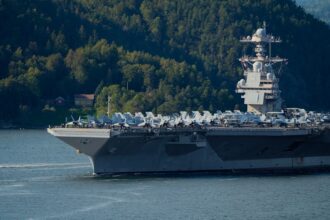
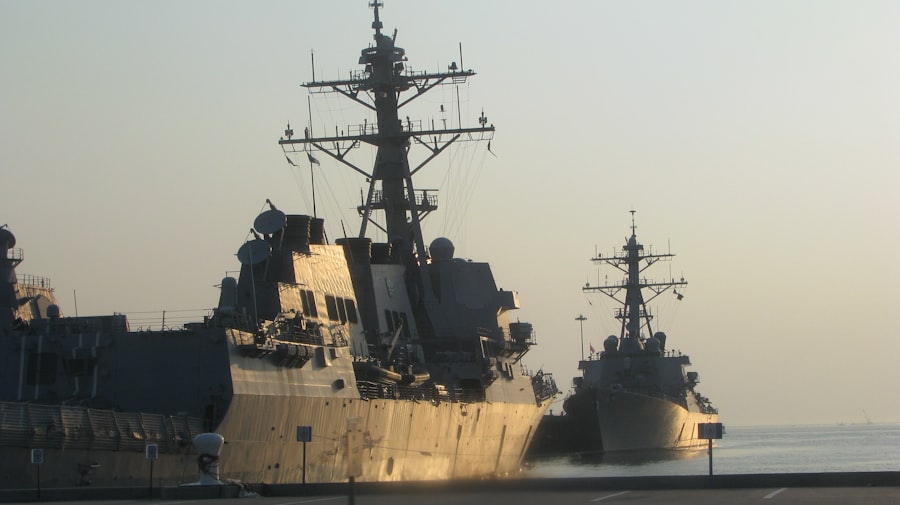
Conventional warships, from destroyers and frigates to aircraft carriers, are equipped with a suite of sensors and communication systems that enable them to gather and process intelligence during their operational deployments. They serve as mobile intelligence hubs, collecting data through their own organic sensors and acting as relay points for other platforms.
Integrated Sensor Suites
Modern warships boast sophisticated radar, sonar, electronic warfare, and communication systems that continuously scan the electromagnetic and acoustic spectrum. This constant vigilance allows them to detect, track, and identify potential threats and gather intelligence on their activities.
Command and Control Systems
The data collected by these sensors is integrated into advanced command and control (C2) systems, which provide a comprehensive tactical picture of the battlespace. These systems are crucial for analyzing incoming intelligence, correlating it with existing information, and disseminating actionable intelligence to relevant units.
Communication and Data Links
Surface vessels are equipped with robust communication systems, including satellite links, allowing them to transmit and receive intelligence in near real-time. Secure data links ensure that sensitive information is shared efficiently and securely with other naval assets and shore-based intelligence agencies.
Submarines
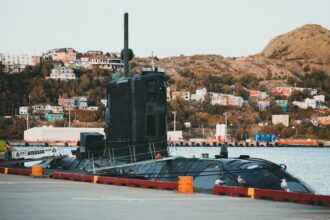
The stealth and unique operational capabilities of submarines make them invaluable assets for clandestine intelligence gathering. Their submerged nature allows them to operate undetected in areas where surface vessels would be easily spotted.
Acoustic and Electronic Surveillance
Submarines are equipped with advanced passive and active sonar systems capable of detecting and identifying other vessels at long distances. They can also conduct electronic surveillance, intercepting signals from enemy ships and shore installations. The silent hunter of the deep can also be the keenest listener.
Covert Observation and Reconnaissance
Submarines can approach enemy naval bases and coastal areas for close-up observation and reconnaissance. Their periscopes and specialized imaging systems can capture detailed imagery and gather intelligence on the operations of adversary forces.
intelligence Gathering Missions
Submarines can be tasked with specific intelligence gathering missions, such as monitoring enemy submarine patrols, assessing coastal defenses, or conducting clandestine acoustic surveys of key maritime chokepoints.
Maritime Patrol Aircraft (MPA)
These specialized aircraft are designed for long-duration patrols over vast expanses of ocean, serving as mobile surveillance platforms. They combine a range of sensors and communication capabilities to provide a comprehensive intelligence picture.
Advanced Radar and Sonar Systems
MPAs are equipped with powerful maritime surveillance radar systems that can detect surface vessels and submarines from high altitudes, as well as dipping sonar arrays that can be lowered into the water to detect submerged targets.
Electronic Warfare and Communications Intercept Equipment
These aircraft can also carry sophisticated electronic warfare suites to detect and analyze enemy radar and communication signals. This allows them to identify and track enemy assets and gather intelligence on their activities.
Maritime Reconnaissance and Observation
MPAs are crucial for conducting visual reconnaissance, mapping minefields, monitoring shipping traffic, and providing early warning of approaching threats.
Unmanned Aerial Vehicles (UAVs) and Drones
The development and deployment of UAVs have revolutionized naval intelligence gathering, offering cost-effective, persistent surveillance capabilities with reduced risk to personnel.
Persistent Surveillance
Small tactical drones can provide continuous overhead imagery for extended periods, offering a persistent view of specific areas of interest, such as a port or a suspected enemy patrol route.
Sensor Integration
UAVs can be equipped with a variety of sensors, including electro-optical cameras, infrared sensors, and even small electronic warfare receivers, allowing them to gather diverse types of intelligence.
Covert Reconnaissance
Larger, more sophisticated UAVs can conduct long-range reconnaissance missions, gathering intelligence in denied or high-risk areas without putting manned aircraft in danger. They are the tireless scouts, extending the reach of naval observation.
Auxiliary and Special Mission Vessels
Beyond dedicated warships, a variety of other maritime platforms contribute to naval intelligence gathering.
Research and Oceanographic Vessels
These vessels, often civilian in appearance but with hidden capabilities, can conduct sophisticated acoustic surveys, map underwater terrain, and deploy specialized sensor arrays that gather intelligence on the underwater environment and potential adversary activities.
Intelligence Collection Ships
Dedicated intelligence collection ships, some disguised as commercial vessels, are equipped with specialized electronic surveillance equipment and antennas to monitor and intercept signals from foreign naval forces.
Coastal Patrol and Surveillance Craft
Smaller, faster vessels can be used for coastal surveillance, interdiction, and covert observation of activities in territorial waters or along coastlines.
Intelligence Analysis and Dissemination
Gathering raw data is only the first step. The true value of naval intelligence lies in its analysis and timely dissemination to those who can act upon it.
Centralized Analysis Centers
Shore-based intelligence analysis centers serve as the nerve centers for processing and interpreting the vast amounts of data collected at sea. These centers are staffed by highly skilled analysts with expertise in various intelligence disciplines.
Data Fusion and Correlation
Analysts fuse data from multiple sources – SIGINT, IMINT, HUMINT, MASINT, and OSINT – to create a comprehensive and coherent intelligence picture. This involves correlating seemingly disparate pieces of information to identify patterns, anomalies, and potential threats.
Threat Assessment and Prediction
Through rigorous analysis, intelligence centers assess the capabilities, intentions, and potential actions of adversary naval forces. This can involve predicting future deployments, identifying vulnerabilities, and forecasting potential conflict scenarios.
Identification of Key Intelligence Requirements (KIRs)
Intelligence agencies work closely with operational commanders to define Key Intelligence Requirements (KIRs) – specific questions that need answering to support operational planning. The analysis process is then geared towards fulfilling these requirements.
Real-time Dissemination to Operational Units
The effectiveness of naval intelligence is directly proportional to its timeliness. Information must reach the warfighters in sufficient time to influence their decisions and actions.
Secure Communication Networks
Naval forces utilize secure, high-bandwidth communication networks to disseminate intelligence products to ships, submarines, aircraft, and other operational units. This ensures that critical information reaches its destination reliably and without compromise.
Intelligence Briefings and Situational Reports
Intelligence officers onboard naval vessels provide regular briefings and situational reports to commanding officers, offering updates on the current threat environment, adversary activities, and relevant intelligence assessments.
Decision Support Tools
Advanced decision support tools and interfaces are employed to present intelligence information in a clear, concise, and actionable format, enabling commanders to make informed decisions rapidly.
Collaboration with Allied Nations
Naval intelligence is often a shared commodity among allies, fostering collective security and enhancing situational awareness.
Intelligence Sharing Agreements
Formal agreements are in place to facilitate the sharing of intelligence information with friendly and allied nations. This allows for a broader understanding of the global maritime security landscape.
Joint Analysis and Operations
Collaborative analysis of intelligence data and joint operational planning with allies amplifies the effectiveness of individual national intelligence efforts.
Challenges in Naval Intelligence Gathering
The maritime domain presents a unique set of challenges that make intelligence gathering a difficult but essential undertaking.
The Vastness and Opacity of the Ocean
The sheer scale of the ocean and the inherent limitations of visibility, both above and below the surface, create immense challenges for detection and surveillance. The ocean is a canvas painted in shades of blue and grey, where even the most advanced sensors can struggle to penetrate its depths.
Environmental Conditions
Weather patterns, water clarity, and the complex acoustic propagation characteristics of the underwater environment can significantly degrade sensor performance and complicate data interpretation.
Stealth Technologies
Adversary naval forces continually develop and employ stealth technologies to reduce their electromagnetic and acoustic signatures, making them harder to detect and track. This requires constant innovation in intelligence gathering techniques.
The Evolving Nature of Naval Warfare
Naval technology and doctrine are in a perpetual state of evolution, requiring intelligence gathering methods to adapt and innovate continuously.
New Technologies and Weapon Systems
The introduction of new naval technologies, such as hypersonic missiles, advanced electronic warfare systems, and autonomous underwater vehicles, necessitates the development of new methods for their detection and analysis.
Asymmetric Warfare and Hybrid Threats
The rise of asymmetric warfare, including the use of non-state actors and cyber warfare, adds further complexity to the intelligence gathering landscape, requiring a broader and more adaptable approach.
Information Overload and the Signal-to-Noise Ratio
The proliferation of sensors and communication channels at sea can lead to an overwhelming volume of data, making it difficult to extract meaningful intelligence.
False Positives and Misinformation
Distinguishing genuine intelligence from false positives, deliberate misinformation, or accidental noise requires sophisticated filtering and validation processes.
Resource Constraints
Effective naval intelligence gathering is an expensive and resource-intensive undertaking, requiring significant investment in technology, personnel, and training. Balancing these demands with operational needs is a constant challenge.
Naval intelligence gathering methods have evolved significantly over the years, incorporating advanced technologies and strategies to enhance maritime security. For a deeper understanding of these techniques, you can explore a related article that discusses the intricacies of modern naval operations and intelligence frameworks. This insightful piece highlights the importance of real-time data collection and analysis in maintaining naval superiority. To read more about these developments, visit this article for an in-depth exploration.
The Future of Naval Intelligence Gathering
| Method | Description | Advantages | Limitations | Typical Use Cases |
|---|---|---|---|---|
| Signal Intelligence (SIGINT) | Intercepting and analyzing electronic communications and radar signals. | Provides real-time data; can intercept enemy communications and radar emissions. | Requires advanced technology; encrypted signals may be difficult to decode. | Monitoring enemy fleet movements; detecting missile launches. |
| Human Intelligence (HUMINT) | Gathering information through human sources such as spies, informants, or defectors. | Can provide detailed and context-rich information; access to classified data. | Risk of misinformation; sources may be compromised or unreliable. | Identifying enemy plans; understanding morale and intentions. |
| Imagery Intelligence (IMINT) | Collecting visual information via satellites, drones, or reconnaissance aircraft. | Provides detailed imagery of naval assets and installations; useful for mapping. | Weather dependent; may be limited by camouflage or deception tactics. | Tracking ship movements; assessing damage after engagements. |
| Electronic Intelligence (ELINT) | Intercepting non-communication electronic signals such as radar and weapons systems. | Helps identify enemy radar capabilities and electronic order of battle. | Requires specialized equipment; signals may be intermittent or deceptive. | Countermeasure development; electronic warfare planning. |
| Open Source Intelligence (OSINT) | Collecting information from publicly available sources like news, social media, and maritime traffic data. | Cost-effective; provides broad situational awareness. | Information may be incomplete or inaccurate; requires verification. | Monitoring commercial shipping; tracking public naval exercises. |
| Underwater Acoustic Intelligence (ACINT) | Using sonar and hydrophones to detect and analyze underwater sounds from ships and submarines. | Effective for submarine detection; can track vessel movements silently. | Limited range; affected by ocean conditions and noise pollution. | Submarine tracking; mine detection. |
The dawn of a new technological era promises to further transform how naval intelligence is gathered, pushing the boundaries of what is currently possible.
Artificial Intelligence and Machine Learning
AI and machine learning are poised to revolutionize intelligence analysis by automating complex tasks, identifying subtle patterns, and accelerating the discovery of actionable insights.
Automated Data Processing and Anomaly Detection
AI algorithms can process vast datasets far more efficiently than humans, identifying anomalies and potential threats that might otherwise be missed. This is like having an army of tireless analysts working around the clock.
Predictive Intelligence and Pattern Recognition
Machine learning can be used to build predictive models of adversary behavior and identify emerging trends, providing a forward-looking dimension to intelligence assessments.
Cyber Intelligence Integration
The increasing reliance on networked systems in naval operations makes cyber intelligence a critical component of maritime intelligence gathering.
Network Exploitation and Defense
Understanding and analyzing the cyber capabilities of adversaries, as well as defending friendly networks, are essential for securing naval operations.
The Cyber-Physical Nexus
Recognizing the interconnectedness of cyber and physical domains is crucial for comprehending the full spectrum of naval threats.
Swarming Technologies and Distributed Sensing
The deployment of coordinated swarms of small, inexpensive sensors and unmanned systems offers a new paradigm for persistent and resilient intelligence gathering.
Enhanced Persistence and Coverage
Swarming drones or autonomous underwater vehicles can provide continuous, overlapping surveillance over large areas, overcoming the limitations of single, high-value assets.
Resilience to Jamming and Disruption
A distributed network of sensors is inherently more resilient to jamming or disruption than a centralized system, ensuring a more robust intelligence picture.
Advancements in Sensor Technology
Ongoing innovation in sensor technology will continue to enhance the ability to detect and characterize naval assets and activities.
Hyperspectral Imaging and Advanced Acoustics
New sensor technologies, such as hyperspectral imaging and more sophisticated acoustic sensors, will provide unprecedented detail and clarity in intelligence gathering.
Quantum Sensing and New Physics
While still in nascent stages, emerging technologies like quantum sensing hold the potential for revolutionary breakthroughs in detection capabilities.
Naval intelligence gathering at sea is a dynamic and ever-evolving field, a constant race between the desire to know and the need to conceal. It is a vital undertaking, the unseen shield that protects maritime interests and the sharp sword that secures national security in the vast and challenging theater of the ocean. The methods employed are as diverse as the ocean itself, a testament to human ingenuity in the face of formidable obstacles. As technology advances, so too will the methods of naval intelligence, ensuring that those who sail the seas can do so with the clarity and foresight necessary to navigate both known and unseen dangers.
FAQs
What are the primary methods used in naval intelligence gathering?
Naval intelligence gathering primarily involves methods such as signal intelligence (SIGINT), electronic intelligence (ELINT), imagery intelligence (IMINT), human intelligence (HUMINT), and open-source intelligence (OSINT). These methods help collect information on enemy movements, capabilities, and intentions.
How does signal intelligence (SIGINT) contribute to naval intelligence?
SIGINT involves intercepting and analyzing electronic signals and communications from enemy ships, submarines, and coastal installations. This method provides critical information about enemy operations, command structures, and potential threats.
What role do satellites and aerial reconnaissance play in naval intelligence?
Satellites and aerial reconnaissance platforms, such as drones and reconnaissance aircraft, provide imagery intelligence (IMINT) by capturing detailed images and videos of naval assets, ship movements, and coastal activities. This helps in monitoring and assessing enemy capabilities and deployments.
How is human intelligence (HUMINT) gathered in naval operations?
HUMINT in naval operations is collected through espionage, informants, and interactions with local populations or defectors. Naval personnel may also gather intelligence during port visits or through liaison with allied forces.
Why is electronic intelligence (ELINT) important in naval intelligence gathering?
ELINT focuses on detecting and analyzing non-communication electronic signals, such as radar emissions and weapon system frequencies. This information helps identify the types of sensors and weapons systems used by adversaries, enhancing situational awareness and threat assessment.