Military history, a tapestry woven with threads of conflict, strategy, and human endurance, often conceals as much as it reveals. For centuries, nations have guarded their most sensitive information, fearing that the disclosure of tactical failures, intelligence breaches, or technological superiority could compromise future operations or damage national prestige. The process of declassification, therefore, acts as a slow unveiling, a gradual lifting of the veil that allows historians, researchers, and the curious public to peer into the previously hidden chambers of past events. This article explores the concept of declassified military secrets, examining their impact on our understanding of history and the challenges associated with their release.
Classified information, at its core, represents a strategic resource. Nations categorize data according to its potential to cause damage if revealed. The classifications, which vary across countries, generally ascend from confidential to secret to top secret, with further granular distinctions often applied. The criteria for classification are multifaceted, encompassing, but not limited to, military operations, intelligence gathering methods, technological advancements, and diplomatic communications.
Criteria for Classification
The decision to classify information is rarely arbitrary. It involves a careful assessment of several factors. Operational details, such as troop movements, battle plans, and logistics, are consistently classified to prevent adversaries from gaining an advantage. Similarly, intelligence sources and methods, which form the bedrock of national security, are rigorously protected. The disclosure of such information could compromise agents, expose vulnerabilities, or render entire intelligence apparatuses ineffective. Furthermore, technological blueprints, particularly those relating to novel weaponry or defensive systems, remain classified for extended periods to maintain a competitive edge and deter potential aggressors. Diplomatic strategies and negotiations, especially during times of heightened tension or conflict, also fall under the umbrella of classified information, as their premature release could undermine national interests.
The Lifecycle of Secrecy
The journey of a document from its creation to its potential declassification is often a protracted one. Initially, information is classified based on its perceived sensitivity and the potential damage its release could cause. This initial classification is rarely permanent. Periodic reviews are conducted, typically by agencies responsible for national security, to assess whether the information still warrants the same level of protection. As time passes and the strategic landscape shifts, the information’s sensitivity may diminish. A battle plan from World War II, for example, holds little tactical relevance for contemporary conflicts, though its historical value may be significant. However, the exact timing of declassification remains a complex issue, influenced by political considerations, potential for ongoing harm, and the sheer volume of material to be reviewed.
In exploring the intriguing world of military history, one can uncover a wealth of secrets that have been declassified over the years. A related article that delves into this fascinating topic is available at this link: Military History Secrets Declassified. This piece provides insights into various operations and strategies that were once shrouded in secrecy, revealing how these revelations have shaped our understanding of past conflicts and military tactics.
The Declassification Process: A Gradual Unveiling
The declassification process is not a sudden illumination but rather a slow, deliberate shedding of veils. It is a bureaucratic marathon, often involving multiple agencies, legal frameworks, and ethical considerations. The sheer volume of material, coupled with the need for careful redaction, makes it a painstaking endeavor.
Legal Frameworks and Mandates
Most nations have established legal frameworks governing the classification and declassification of information. In the United States, for instance, Executive Orders dictate the process, setting forth guidelines for agencies and establishing timelines for review. The Freedom of Information Act (FOIA) also plays a crucial role, allowing citizens to request the release of government documents and often acting as a catalyst for declassification. Similar legislation exists in other democratic nations, albeit with variations in scope and application. These mandates aim to strike a balance between national security interests and the public’s right to information, though this balance is frequently debated and challenged.
Challenges in Declassification
The declassification process is fraught with challenges. One primary hurdle is the sheer volume of documents. Over decades, government agencies accumulate vast archives of classified material, making a comprehensive and timely review a monumental task. Furthermore, the process often involves redaction, where sensitive portions of documents are blacked out prior to release. This requires careful scrutiny to ensure that no vital information, such as the identity of an intelligence asset or a still-relevant technological secret, is inadvertently disclosed. The interpretation of what constitutes “still-relevant” can also be a point of contention, leading to further delays. Political considerations also exert influence, with certain administrations or agencies exhibiting greater or lesser willingness to open up historical archives. Finally, the intertwining of classified information across different agencies and even different nations can create complications, requiring coordination and agreement before a document can be fully released.
Key Examples of Declassified Military Secrets
The narratives that emerge from declassified documents frequently reshape our understanding of pivotal historical moments. These revelations can expose previously unknown operations, challenge established narratives, or shed light on the inner workings of state power.
The Cuban Missile Crisis and Nuclear Deterrence
The Cuban Missile Crisis of 1962, a thirteen-day standoff that brought the world to the brink of nuclear war, has been extensively illuminated by declassified documents. Initially, the official narrative painted a picture of skillful diplomacy and firm resolve on the part of the United States. However, subsequent declassifications revealed a more nuanced and perilous situation. Documents exposed the extent of Soviet nuclear deployments in Cuba, which were far more extensive and immediate than initially understood by U.S. intelligence. Furthermore, they detailed the hair-trigger nature of the situation, including instances where Soviet commanders in Cuba had the authority to launch tactical nuclear weapons without explicit orders from Moscow. The declassification of these details fundamentally altered the perception of the crisis, highlighting the precariousness of the situation and the sheer luck that may have prevented a global catastrophe. It also deepened our understanding of the concept of nuclear deterrence, illustrating the fine line between its efficacy and its inherent risks.
The Cold War’s Covert Operations
The Cold War was a shadowy conflict, fought as much through espionage and covert operations as through conventional military power. Declassified intelligence reports have provided invaluable insights into the clandestine battles fought between the East and West. Operations like the CIA’s efforts to influence elections in various nations, the details of spy networks operating behind the Iron Curtain, and the development of sophisticated surveillance technologies have all come to light. The release of documents pertaining to Operation Mockingbird, for example, exposed the CIA’s attempts to influence domestic media outlets. Similarly, the declassification of files related to the Venona project, a counterintelligence effort to decrypt Soviet communications, revealed the existence of Soviet spy rings operating within the United States during the 1940s and 1950s, leading to a re-evaluation of the extent of foreign infiltration. These revelations have forced a re-examination of ethical boundaries in intelligence gathering and the impact of state secrets on democratic processes.
Technological Breakthroughs and Their Concealment
Military history is punctuated by periods of rapid technological advancement, many of which were initially shrouded in secrecy. The development of the atomic bomb during the Manhattan Project stands as a prime example. While the ultimate existence of the weapon became public, many of the scientific and engineering breakthroughs, as well as the intricate logistical challenges, remained classified for decades. Declassified documents have since provided a granular view of the project, including the contributions of numerous scientists, the ethical dilemmas faced, and the immense financial and human resources dedicated to its completion. Beyond nuclear weapons, the development of stealth technology, advanced radar systems, and even early computing technologies were initially state secrets. The gradual release of these designs and research papers has not only enriched our understanding of technological evolution but has also offered insights into the strategic imperatives that drove their concealment.
The Impact of Declassification on Historical Narratives
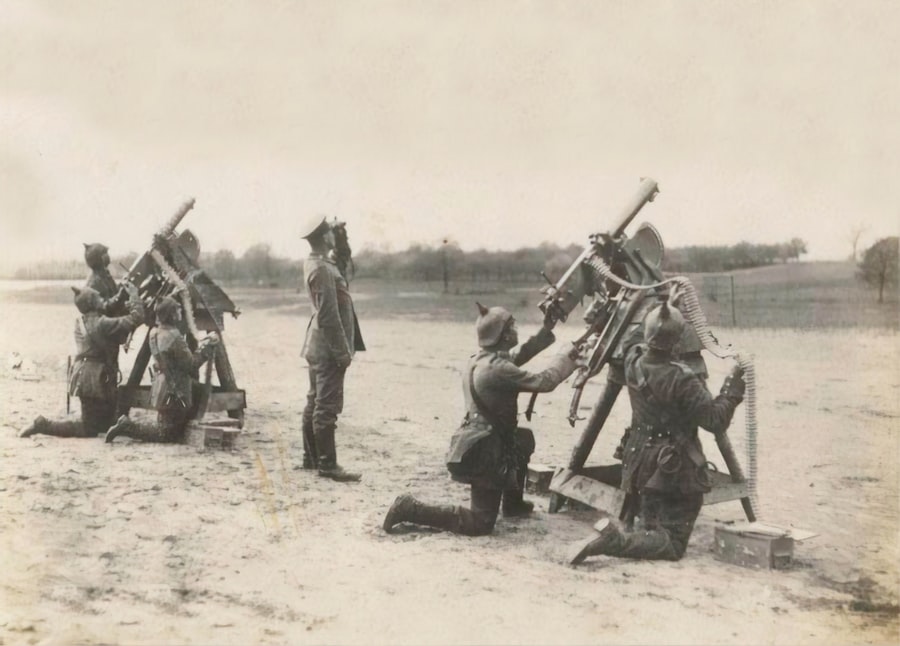
Declassified information acts as a potent solvent, dissolving established narratives and allowing for the reconstruction of historical events with greater accuracy and depth. It challenges romanticized notions, exposes uncomfortable truths, and provides new perspectives on the motivations and actions of key figures.
Rewriting History: Correcting Misconceptions
History is not a static monolith; it is a living, evolving narrative shaped by the availability of evidence. Declassification often serves as a powerful corrective force, dismantling long-held misconceptions. For instance, the general understanding of certain battles or campaigns in World War II has been dramatically refined by the release of operational orders, intelligence assessments, and after-action reports. These documents often reveal the chaotic reality of warfare, the prevalence of misinformation, and the human errors that can profoundly influence outcomes, moving away from idealized portrayals of infallible leadership or flawless execution. The “Fog of War” metaphor is particularly apt here, where declassified documents gradually pierce through the opaque layers of initial accounts, revealing clearer contours of past events.
Shedding Light on Ethical Dilemmas
Beyond factual accuracy, declassified documents frequently expose the ethical quandaries inherent in military and political decision-making. Information concerning prisoner of war treatment, the use of controversial interrogation techniques, or the unintended civilian casualties of military actions can be deeply uncomfortable, yet vital for a comprehensive understanding of history. These revelations often spark public debate and introspection, forcing societies to confront difficult aspects of their past. The debate surrounding the use of Agent Orange in Vietnam, for example, was significantly fueled by the declassification of documents detailing its deployment and subsequently recognized environmental and health impacts. Such disclosures serve as a reminder that history is not merely a record of events, but also a repository of moral choices and their consequences.
The recent revelations in military history have unveiled numerous secrets that were once classified, shedding light on pivotal events and strategies that shaped modern warfare. For those interested in exploring this fascinating topic further, a related article can be found at In the War Room, which delves into the implications of these declassified documents and their impact on our understanding of past conflicts. This resource provides valuable insights into how historical narratives are constructed and the importance of transparency in military operations.
The Future of Declassification
| Declassified Secret | Country | Year Declassified | Significance | Impact on Military Strategy |
|---|---|---|---|---|
| Operation Northwoods | USA | 1997 | Planned false flag operations to justify military intervention in Cuba | Highlighted ethical boundaries in covert operations |
| Enigma Code Breaking | UK | 1974 | Decryption of German communications during WWII | Shortened WWII by years, revolutionized cryptography |
| Project Azorian | USA | 2010 | Secret mission to recover a sunken Soviet submarine | Advanced deep-sea recovery technology and intelligence gathering |
| Operation Paperclip | USA | 1990 | Recruitment of Nazi scientists post-WWII | Accelerated US missile and space programs |
| Operation Mincemeat | UK | 1996 | Deception plan to mislead Axis about Allied invasion | Contributed to success of Sicily invasion in WWII |
The ongoing process of declassification ensures that the historical record continues to expand and evolve. As technology advances and the geopolitical landscape shifts, new challenges and opportunities arise in the realm of state secrets.
The Digital Age and Information Overload
The advent of the digital age presents both unprecedented opportunities and significant challenges for declassification. On one hand, digital archiving makes it easier to store and retrieve vast quantities of information. On the other hand, the sheer volume of born-digital classified material, coupled with the complexities of digital security and data redundancy, creates a new kind of “information overload” for declassification efforts. Ensuring the long-term preservation of digital records, while also making them accessible for review and release, will be a perpetual challenge. Furthermore, the increasing use of artificial intelligence and machine learning in intelligence gathering could create entirely new categories of classified “knowledge,” raising questions about how such complex, algorithmically generated insights should be managed and eventually declassified.
Balancing Transparency and Security in Perpetuity
The fundamental tension between national security and public transparency remains the enduring dilemma in the declassification process. While the ideal of complete openness is appealing, the reality of global politics dictates that certain information must remain protected to safeguard national interests. The challenge lies in finding the optimal balance, ensuring that genuine security concerns are addressed while avoiding unnecessary or indefinite secrecy. As you, the reader, reflect on these issues, consider that the very act of declassification is a testament to the belief that an informed populace is a stronger populace, even when the truths revealed are challenging or uncomfortable. The journey of military history’s top secrets from classified archives to the public domain is a continuous saga, revealing new facets of human conflict and the intricate web of decisions that shape our world. Its ongoing unfolding compels us to revisit our assumptions and refine our understanding of mankind’s most violent and strategic endeavors.
FAQs
What does “military history secrets declassified” mean?
Military history secrets declassified refers to previously confidential or classified information about military operations, strategies, technologies, or events that has been officially released to the public by governments or military organizations.
Why are some military documents kept classified for so long?
Military documents are often kept classified to protect national security, safeguard intelligence sources and methods, maintain strategic advantages, and prevent sensitive information from falling into the hands of adversaries.
How can declassified military secrets impact our understanding of history?
Declassified military secrets can provide new insights, correct historical inaccuracies, reveal previously unknown events or decisions, and deepen our understanding of military conflicts and strategies.
Where can one access declassified military documents?
Declassified military documents are typically available through national archives, government websites, military history museums, and official publications from defense departments or intelligence agencies.
Are all military secrets eventually declassified?
Not all military secrets are declassified; some remain classified indefinitely due to ongoing security concerns, the sensitivity of the information, or potential risks to current military operations or diplomatic relations.