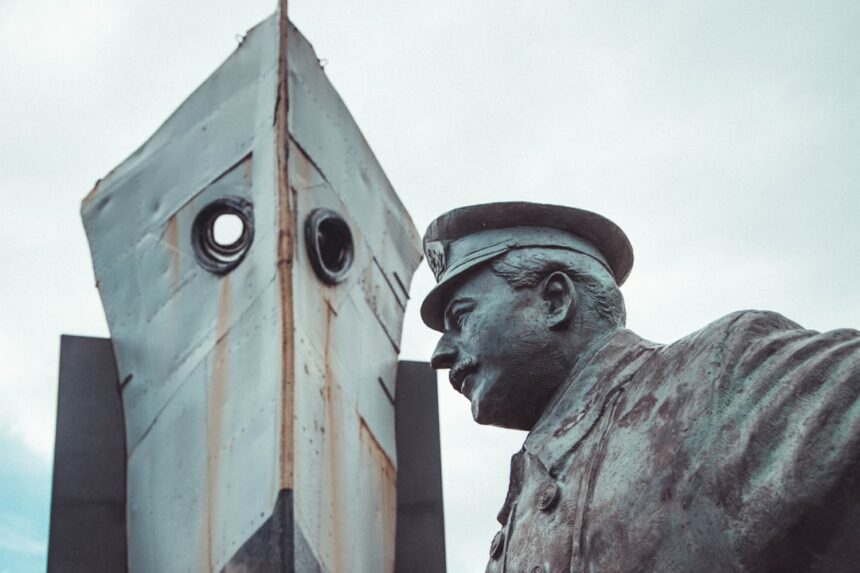
The Soviet Navy’s Secret Mole: Espionage in the Cold War
The Cold War, a forty-five-year-long chess match played out on a global board, was characterized by a constant, often unseen, struggle for information. While ICBMs and bomber fleets loomed large in the public consciousness, a quieter, more insidious form of warfare was waged in the shadows: espionage. Within this clandestine arena, the Soviet Navy, a formidable force projecting power across the world’s oceans, became a prime target for counter-intelligence agencies. The story of how this vast and complex organization, a leviathan of steel and ideology, harbored a crucial leak, a secret mole, offers a chilling glimpse into the vulnerabilities that can plague even the most seemingly impenetrable systems.
The whispers of betrayal began long before they materialized into concrete intelligence. The Soviet Navy, much like any large maritime power, was a network of bases, shipyards, research facilities, and operational fleets. Each of these nodes held vital secrets, from the development of new submarine technologies to the deployment patterns of its most advanced vessels. For Western intelligence agencies, a deep understanding of these capabilities was not merely academic; it was a matter of national security, dictating strategic responses and the allocation of scarce resources. Obtaining this information required more than just aerial reconnaissance or signal intercepts. It demanded the human element, the penetration of the system from within.
The sheer scale of the Soviet Navy presented both challenges and opportunities for espionage. On the one hand, its vastness meant more potential points of entry and a greater likelihood of disgruntled individuals or those susceptible to recruitment. On the other hand, a highly compartmentalized and security-conscious organization, while not immune to infiltration, could also be incredibly difficult to breach. The idea of a single individual, a lone mole, being able to unravel critical secrets from such a monolithic entity seemed almost like a plot from a spy novel. Yet, the reality of the Cold War proved stranger, and more dangerous, than fiction.
The Soviet Navy’s rise from a coastal defense force to a global blue-water navy in the post-World War II era was a strategic imperative. Driven by a desire to counter American naval dominance and project Soviet influence, the Kremlin invested heavily in naval modernization. This expansion wasn’t just about quantity; it was about quality and technological advancement. The development of nuclear-powered submarines, advanced missile systems, and increasingly sophisticated electronic warfare capabilities transformed the Soviet Navy into a credible, and at times, intimidating force.
A Growing Fleet, a Growing Threat
- The Submarine Threat: The Soviet Union poured immense resources into its submarine fleet, particularly its ballistic missile submarines (SSBNs) and attack submarines (SSNs). These vessels, designed for stealth and operational range, represented a significant part of the Soviet nuclear deterrent and a potent threat to Western shipping and naval assets. The ability to track, and if necessary, neutralize these submarines was a paramount concern for NATO.
- Surface Fleet Modernization: While submarines often captured the headlines, the Soviet Union also maintained a substantial surface fleet. Cruisers, destroyers, and aircraft carriers, while not as numerous as their American counterparts, were equipped with formidable weaponry and played a crucial role in projecting Soviet power and supporting amphibious operations.
- Technological Ambition: The Soviets were not content to merely replicate Western technology. They actively pursued innovative solutions and often took different design philosophies, leading to unique naval capabilities that required careful study and understanding by Western intelligence. This drive for technological superiority created a constant race for information, where every new development was a potential game-changer.
The sheer operational tempo of the Soviet Navy, with fleets deployed across the Atlantic, Pacific, Arctic, and Indian Oceans, meant that constant surveillance and intelligence gathering were necessary. This presented a massive logistical and technical challenge for Western agencies. Satellite imagery, aerial reconnaissance, and signals intelligence provided valuable broad strokes, but the finer details, the nuances of doctrine, operational plans, and technological secrets, remained largely hidden behind the Iron Curtain. It was in this information void that the concept of a human intelligence asset, a mole, became increasingly attractive, albeit fraught with peril.
In recent discussions about espionage during the Cold War, the article titled “The Soviet Navy’s Secret Mole: Uncovering the Depths of Betrayal” provides an intriguing insight into the infiltration of Soviet naval operations. This piece delves into the covert activities and the implications of having a mole within such a critical military branch. For those interested in exploring this topic further, you can read the full article at The Soviet Navy’s Secret Mole.
The Labyrinth of Soviet Secrecy
Breaching the fortifications of Soviet secrecy was no easy feat. The K.G.B., the Soviet state security agency, was a formidable octopus, its tentacles reaching into every facet of Soviet life, including the military. A pervasive culture of suspicion and loyalty oaths, coupled with severe penalties for perceived disloyalty, made recruitment and operation of agents incredibly dangerous. The risk of exposure was ever-present, a shadow that loomed large over any clandestine operation.
Compartmentalization as a Shield
- Need-to-Know Principle: Like most modern military organizations, the Soviet Navy operated on a strict “need-to-know” basis. Information was disseminated on a highly compartmentalized level, meaning that individuals only had access to the data directly relevant to their specific duties and tasks. This effectively created information silos, making it difficult for any single individual to gain a comprehensive understanding of a larger operation or project.
- Security Clearances and Investigations: Personnel within the Soviet Navy, particularly those in sensitive positions, underwent rigorous security checks and vetting processes. Loyalty was paramount, and any hint of dissent or foreign contact could lead to immediate repercussions. This made the recruitment of new agents within the Navy a painstaking and high-risk endeavor.
- Internal Surveillance: The K.G.B. maintained a pervasive surveillance apparatus within the Soviet military. Informants and counter-intelligence officers were embedded at various levels, tasked with identifying and neutralizing any signs of disloyalty or foreign interference. This created an environment where even casual conversations could be scrutinized, and trust was a luxury few could afford.
Despite these formidable obstacles, the allure of intelligence, coupled with potential ideological leanings or financial incentives, could still create opportunities for recruitment. The human element, with its inherent complexities of motivation and vulnerability, could sometimes prove to be the weakest link in even the most sophisticated security chains. The Soviets, for all their efforts, were not immune to the internal pressures and discontents that can foster betrayal.
The Whisper That Became a Roar
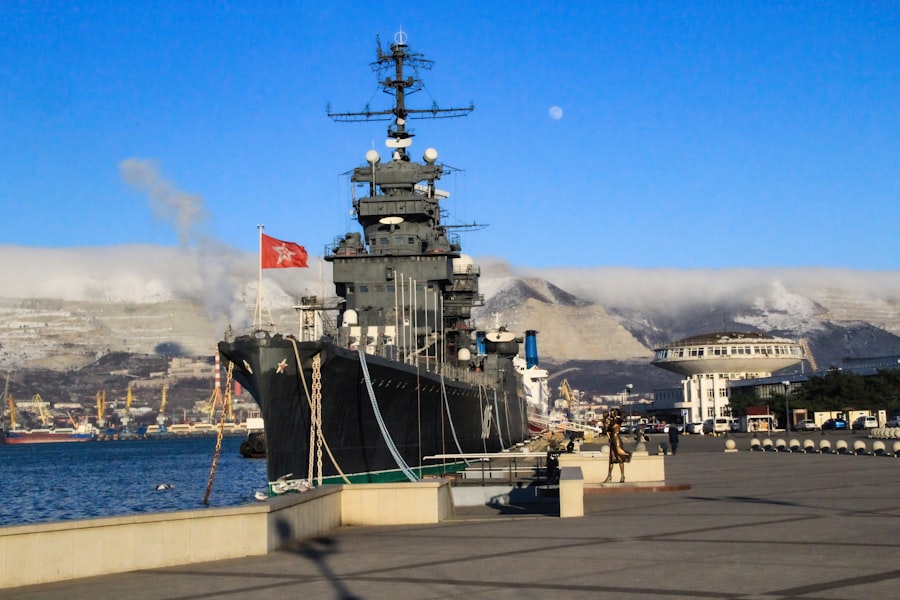
The existence of a mole within the Soviet Navy was not an immediate revelation. Like a slow-acting poison, the effects of their actions were often subtle, manifesting as gradual shifts in Western intelligence assessments or the uncanny accuracy of certain predictive analyses. It took time for the pieces to be assembled, for the seemingly disparate fragments of intelligence to coalesce into a cohesive picture of a singular, devastating leak.
Unmasking the Unseen Hand
- Anomalies in Intelligence Streams: Intelligence agencies constantly analyzed vast amounts of data from various sources. Moles, by their very nature, would introduce unique patterns and insights that might not be obtainable through technical means alone. Anomalies in K.G.B. communications, discrepancies in Soviet naval exercises, or surprisingly accurate forecasts of Soviet naval deployments could all be indicators, subtle breadcrumbs leading to the source of the leak.
- Pattern Recognition and Deduction: Counter-intelligence specialists are akin to detectives, sifting through mountains of data for recurring themes and deviations from the norm. The consistent appearance of highly specific intelligence, often relating to advanced technology or strategic intentions, originating from an unexpected source, would raise red flags. This demanded meticulous analysis and the ability to connect seemingly unrelated dots.
- The Long Game of Counter-Intelligence: Identifying a mole is rarely a swift or dramatic event. It is often a patient, methodical process of observation, analysis, and hypothesis testing. The Western agencies likely employed a range of techniques, from the careful monitoring of K.G.B. activities to the analysis of agent reports, seeking to pinpoint the origin of critical leaks. This was a war fought with patience and intellect, where a single error could have catastrophic consequences.
The recognition that a significant, high-level mole was active within the Soviet Navy was a profound, and deeply concerning, moment for Soviet leadership. It was an admission of a deep systemic vulnerability, a crack in the very foundation of their strategic defense. The repercussions of this realization would reverberate through the highest echelons of the Soviet military and security apparatus.
The Mole’s Arsenal: What Was Compromised?
The true value of a mole lies not just in their presence, but in the intelligence they can provide. For the Soviet Navy, the secrets that could be divulged were immense, encompassing the very sinews of its operational capability and strategic intent. The implications of such a leak were far-reaching, impacting everything from armament procurement to geopolitical maneuvering.
Unlocking Naval Secrets
- Technological Vulnerabilities: The transfer of detailed information about Soviet naval technology, including the specifications and operational characteristics of new submarines, aircraft, and missile systems, would have been invaluable. This allowed Western powers to develop effective countermeasures, disrupt Soviet technological advancements, and gain a significant advantage in the arms race. Imagine a spy revealing the blueprints of a formidable castle; the defenders would then know precisely where to reinforce their walls and how to best repel an assault.
- Operational Doctrine and Deployment: Beyond hardware, understanding Soviet naval doctrine – how they intended to fight, their strategies for naval warfare, and their deployment patterns – would have been a goldmine. This intelligence would have allowed NATO to anticipate Soviet actions, develop effective defensive strategies, and even exploit potential weaknesses in Soviet operational planning. Knowing when and where the enemy intends to strike is half the battle.
- Intelligence Capabilities and Limitations: Information about Soviet intelligence gathering methods, their surveillance capabilities, their signal intercepts, and their understanding of Western naval activities would have allowed Western agencies to adapt their own operations accordingly. This could involve changing communication protocols, developing new deceptive tactics, or identifying and neutralizing Soviet intelligence assets.
- Strategic Intentions and Disarmament Negotiations: Perhaps most critically, a mole could have provided insights into the Soviet Navy’s role in broader strategic planning, including their involvement in arms control negotiations. This knowledge could have given Western negotiators a critical advantage, allowing them to understand the true Soviet objectives and to avoid being outmaneuvered.
The sheer breadth of information that could have been compromised paints a stark picture of the potential damage. The Soviet Navy, a symbol of Soviet strength and global ambition, could have found itself fighting battles on two fronts: against its conventional adversaries and against an invisible enemy within its own ranks.
The intriguing story of a Soviet Navy secret mole has captivated historians and espionage enthusiasts alike, shedding light on the complex web of Cold War intelligence operations. For those interested in exploring this topic further, a related article delves into the intricacies of espionage during that era and the impact of such infiltrations on naval strategies. You can read more about it in this comprehensive piece on the subject, which provides valuable insights into the world of covert operations. For more details, check out the article here.
The Counter-Strike and Its Aftermath
| Metric | Details |
|---|---|
| Code Name | Operation Farewell |
| Agency Involved | French Intelligence (DST) |
| Target | Soviet Navy Technology Transfer |
| Type of Mole | Double Agent / Informant |
| Period Active | Early 1980s |
| Key Information Leaked | Naval propulsion system designs and technology |
| Impact | Significant disruption of Soviet naval technology advancements |
| Outcome | Increased Western counterintelligence efforts and technology embargoes |
The discovery and subsequent neutralization of any mole, no matter how deeply entrenched, is a complex and often protracted process. For the Soviet Navy and its security apparatus, the realization of such a breach would have triggered a vigorous and often brutal internal investigation, a hunt for the traitor within the ranks.
The Hunt and the Fallout:
- Internal Purges and Investigations: The discovery of a mole almost invariably leads to internal investigations and often purges within the affected organization. Security protocols would have been tightened even further, and a climate of heightened suspicion would have permeated the Navy. This could have led to the dismissal or worse of many individuals based on even minor suspicions.
- Damage Control and Counter-Intelligence: Once a leak is identified, the immediate priority becomes damage control. This involves understanding the full extent of what has been compromised, sealing the leak, and potentially feeding misinformation to the enemy to mislead them about the true situation. The K.G.B. would have launched a counter-intelligence operation of immense scale to identify and apprehend the mole, and to prevent any further breaches.
- Long-Term Implications for Soviet Naval Strategy: The existence of a successful mole, even if eventually caught, would have had long-lasting implications for Soviet naval strategy. It would have highlighted the need for even greater secrecy and security in future development and deployment, and potentially led to a reassessment of personnel vetting procedures. The psychological impact of knowing that internal security could be so effectively bypassed would have been significant.
- The Legacy of Secrecy and Betrayal: The story of Soviet naval espionage, even with the discovery of a mole, is a testament to the ongoing struggle for information during the Cold War. It underscores the fact that even the most technologically advanced and ideologically driven organizations are not immune to human frailty and the corrosive power of betrayal. The shadow of this secret mole serves as a reminder that the Cold War was not just a conflict of ideologies and hardware, but also a profound struggle for the unseen, the whispers of information that could shift the balance of power. The ramifications of such a deep penetration would have been a bitter pill for the Soviet leadership to swallow, a stark reminder of the vulnerability that can exist even at the heart of a seemingly invincible machine.
FAQs
What was the Soviet Navy secret mole?
The Soviet Navy secret mole was an undercover agent who infiltrated naval operations or intelligence to gather classified information for the Soviet Union during the Cold War.
Why was the Soviet Navy secret mole important?
The mole provided critical intelligence that helped the Soviet Navy understand and counteract the strategies and technologies of rival navies, particularly those of NATO countries.
How were Soviet Navy moles typically recruited?
Moles were often recruited through ideological alignment, coercion, or financial incentives, and were trained to operate covertly within foreign naval organizations or intelligence agencies.
What impact did the discovery of a Soviet Navy mole have?
The discovery often led to significant security overhauls, arrests, and diplomatic tensions, as well as a reassessment of intelligence protocols within the affected organizations.
Are there any famous cases of Soviet Navy secret moles?
Yes, several high-profile espionage cases involved Soviet Navy moles, though many details remain classified; these cases have been subjects of declassified documents and historical research.