The landscape of global power in the 20th century was a chessboard, and Soviet military intelligence, GRU (Glavnoye Razvedyval’noye Upravleniye), was a master strategist in its intricate, often shadowy, games. For decades, the GRU operated as the Soviet Union’s primary foreign military intelligence agency, a multifaceted organization tasked with gathering, analyzing, and acting upon information that could shape the geopolitical balance. Its operations were not merely about collecting whispers from afar; they were about influencing the very currents of history, much like a hidden dam controlling the flow of a mighty river. Understanding the GRU requires peeling back layers of secrecy, examining its structure, its methods, and its indelible impact on the world stage.
The origins of Soviet military intelligence can be traced back to the tumultuous years following the Bolshevik Revolution. The need to safeguard the nascent Soviet state from external threats, both foreign powers and internal counter-revolutionaries, necessitated a robust intelligence apparatus.
The Red Army’s Early Need for Information
In the early days, the Red Army faced a daunting array of challenges. From the fragmented remnants of the Tsarist army to the interventionist forces of foreign powers, the nascent Soviet regime was under siege. Information was the most potent weapon in this desperate fight for survival.
- Pre-GRU Structures: Before the formal establishment of the GRU, various revolutionary committees and military bodies were tasked with intelligence gathering. These efforts, though often disparate, laid the groundwork for a centralized and professionalized intelligence service.
- Centralization as a Necessity: The fragmented nature of early intelligence efforts proved inefficient. The need for a unified command and control structure, capable of disseminating information effectively and coordinating actions, became increasingly apparent.
The Birth of the GRU and its Initial Mandate
The GRU was formally established in 1918, a nascent organization tasked with providing military intelligence to the Red Army. Its initial mandate was broad, encompassing not only traditional espionage but also the analysis of enemy capabilities, strategic intentions, and the geopolitical landscape.
- The First Directorate: The initial organizational structure focused on collecting intelligence on foreign armies and potential adversaries. This involved understanding their troop strengths, weaponry, training doctrines, and political leanings.
- Early Operational Focus: The early GRU was heavily involved in intelligence gathering during the Russian Civil War and in monitoring neighboring states, seeking to preempt any threats to Soviet security.
Adapting to a Shifting World Order
Throughout its existence, the GRU constantly adapted to the evolving geopolitical climate, from the interwar period to the Cold War and beyond. This adaptability was crucial for its continued effectiveness.
- The Global Reach of the Cold War: The bipolar world of the Cold War presented unprecedented opportunities and challenges. The GRU expanded its operations significantly, establishing a vast network of agents and sources across the globe.
- Technological Advancements and Intelligence: The introduction of new technologies, from aerial reconnaissance to electronic eavesdropping, profoundly impacted intelligence gathering. The GRU had to integrate these advancements into its operational repertoire.
Soviet military intelligence operations during the Cold War were characterized by a complex web of espionage and covert activities aimed at gathering critical information on Western military capabilities. For a deeper understanding of these operations, you can explore the article titled “The Shadows of the Cold War: Soviet Military Intelligence Operations” available at this link. This article delves into the strategies employed by the KGB and GRU, highlighting key missions and their impact on global geopolitics.
The Inner Workings: Structure, Training, and Recruitment
The GRU was not a monolithic entity; it was a complex organization with distinct departments, specialized training programs, and a rigorous recruitment process. Its success hinged on the meticulous planning and execution of its operatives.
Organizational Pillars: Departments and Directorates
The GRU was structured into various directorates and departments, each with specific responsibilities, akin to specialized cells within a larger biological organism.
- First Directorate (European Operations): This was often the most significant directorate, responsible for gathering intelligence on NATO countries and their military capabilities.
- Second Directorate (North America and Other Regions): This directorate focused on intelligence gathering in the United States, Canada, and other parts of the world not covered by the First Directorate.
- Third Directorate (Military-Political Intelligence): This department specialized in understanding the political intentions and military-strategic thinking of foreign governments.
- Fifth Directorate (Analysis and Propaganda): Beyond mere collection, this directorate was responsible for analyzing gathered intelligence and, in some contexts, engaging in disinformation and propaganda operations.
- Special Operations Directorate: This clandestine unit was responsible for sabotage, assassinations, and other highly sensitive covert actions.
The Crucible of Training: Creating the Elite Operative
Becoming a GRU operative was not for the faint of heart; it involved rigorous physical, psychological, and ideological training. The agency sought individuals with specific traits, molding them into instruments of state policy.
- Rigorous Selection Criteria: Potential recruits were subjected to intense scrutiny, assessing their loyalty, intelligence, resilience, and ideological conviction.
- Specialized Skill Development: Training encompassed a wide array of skills, including clandestine communication techniques, weapons handling, surveillance and counter-surveillance, foreign languages, and the art of deception.
- Ideological Indoctrination: A core component of GRU training was reinforcing communist ideology and fostering an unwavering loyalty to the Soviet state. This was the bedrock upon which their operations were built.
- Psychological Conditioning: Operatives were conditioned to withstand pressure, operate under extreme stress, and maintain operational security in hostile environments.
The Lifeline of the Agency: Recruitment and Agent Networks
The effectiveness of the GRU depended on its ability to cultivate and manage extensive networks of human sources, also known as agents. This often involved a patient and strategic approach to recruitment.
- Identifying Potential Assets: This process involved identifying individuals within target organizations or societies who possessed access to valuable information or who could be persuaded to cooperate. This was a delicate art, akin to identifying a rare mineral in a vast geological deposit.
- The Art of Persuasion and Coercion: Recruitment strategies ranged from ideological appeal and financial incentives to blackmail and genuine patriotism. The GRU employed a diverse toolkit to gain cooperation.
- Asset Handling and Control: Once recruited, agents were carefully managed, provided with instructions, equipped with communication devices, and regularly debriefed. Maintaining control and ensuring operational security were paramount.
- “Illegals” and Deep Cover: In some cases, GRU employed “illegals” – agents who lived and operated under deep cover for extended periods, often with fabricated identities and backgrounds, becoming chameleons in foreign societies.
Modus Operandi: The GRU’s Toolkit of Deception and Action
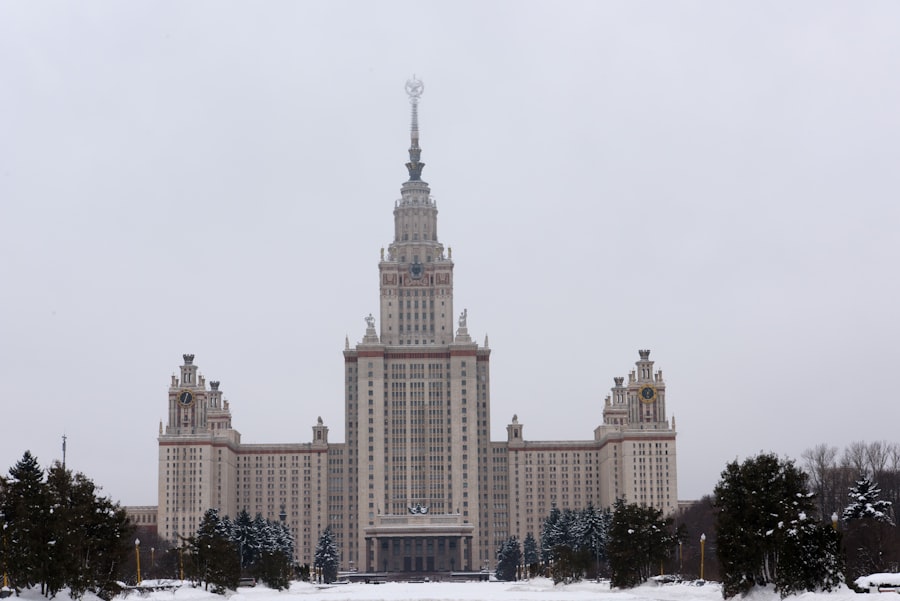
The GRU’s operational methods were as varied as the missions it undertook. From subtle information gathering to audacious sabotage, its operatives were skilled in a wide range of clandestine activities designed to achieve Soviet objectives.
Information Gathering: The Unseen Hand Collecting Data
The primary function of the GRU was to acquire intelligence on foreign military and political matters. This involved a diverse array of techniques, both overt and covert.
- Human Intelligence (HUMINT): This formed the cornerstone of GRU operations. It involved the direct recruitment and exploitation of human sources in foreign governments, militaries, and industries.
- Signals Intelligence (SIGINT): The GRU actively engaged in intercepting and analyzing foreign communications, including radio transmissions, telephone conversations, and encrypted messages. This provided a crucial window into adversaries’ thinking and intentions.
- Technical Intelligence (TECHINT): This involved acquiring and analyzing foreign military technology, including weapons systems, aircraft, and vehicles. This was vital for understanding technological parity and potential vulnerabilities.
- Open Source Intelligence (OSINT): While less glamorous, the GRU paid attention to publicly available information, such as newspapers, academic journals, and technical publications, recognizing that even overt sources could yield valuable insights.
Covert Action: Shaping Events from the Shadows
Beyond intelligence gathering, the GRU was also authorized to conduct covert actions aimed at influencing events and weakening adversaries.
- Disinformation and Propaganda: The GRU actively engaged in spreading false narratives and propaganda to sow discord, destabilize governments, and manipulate public opinion in targeted countries. This was akin to introducing a virus into a complex system.
- Sabotage and Destabilization: In certain situations, the GRU was tasked with carrying out acts of sabotage against critical infrastructure or military assets, aiming to disrupt enemy operations and create chaos.
- Political Interference: The GRU sought to influence political processes in foreign countries by supporting sympathetic political factions, influencing elections, and undermining hostile regimes.
- Assassinations and Elimination: In extreme cases, the GRU was implicated in the assassination or elimination of individuals deemed threats to Soviet interests, though the extent of this activity and its attribution remain subjects of historical debate.
Deception and Deception Countermeasures
The intelligence world is a constant game of cat and mouse, with deception being a primary weapon. The GRU was both a practitioner and a potential target of elaborate deception schemes.
- Active Deception: The GRU employed deceptive techniques to mislead foreign intelligence agencies about Soviet military capabilities, intentions, and plans. This could involve creating false trails, staging exercises, and manipulating information.
- Counterintelligence Operations: Simultaneously, the GRU engaged in counterintelligence to identify and neutralize foreign intelligence operatives and their networks operating within the Soviet Union or its sphere of influence. This was the GRU’s internal security shield.
Notable Operations and the GRU’s Impact on History
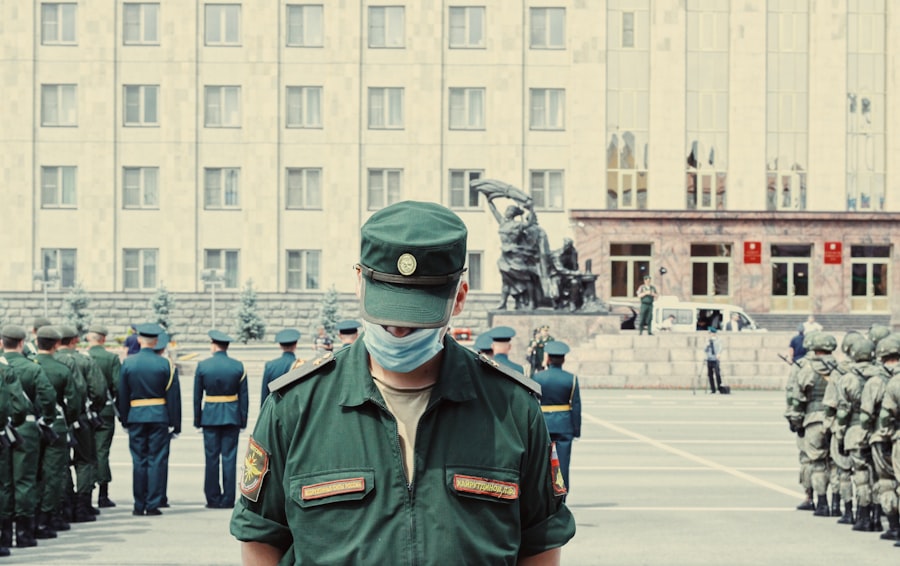
The GRU’s operations, though often shrouded in secrecy, left an undeniable mark on the 20th century. From Cold War espionage to more direct interventions, its actions played a role in shaping numerous historical events.
The Cold War Espionage Arena: A Game of Nuclear Brinkmanship
The Cold War was the GRU’s primary theater of operations, where it played a crucial role in the high-stakes intelligence competition between the Soviet Union and the West.
- The “Brilliant” and the “Reds”: The GRU was responsible for numerous high-profile espionage cases, including the recruitment of individuals within Western governments and intelligence agencies who provided invaluable intelligence on NATO’s nuclear capabilities and strategic planning.
- The Cambridge Five: While often associated with MI5 and MI6, several members of the infamous Cambridge Five, who spied for the Soviet Union, are believed to have been assets cultivated or managed by the GRU.
- The Cuban Missile Crisis: While direct GRU involvement is debated, the intelligence gathered by Soviet agencies, including the GRU, regarding US missile deployments in Turkey was a critical factor in Soviet decision-making during the crisis.
Unveiling Military Secrets: The Technological Arms Race
The GRU’s pursuit of technological intelligence was relentless, fueling the arms race and providing the Soviet Union with crucial insights into Western military advancements.
- Nuclear Secrets: The GRU was instrumental in acquiring intelligence related to the development of nuclear weapons and related technologies by the United States.
- Advanced Weaponry: Information on advanced aircraft designs, missile technology, and submarine development was actively sought and acquired, allowing the Soviet Union to maintain rough parity with its adversaries.
- Cybernetic Warfare Precursors: Even in the early days of computing, the GRU was reportedly interested in the potential of cybernetic systems for military applications, foreshadowing future forms of electronic warfare.
Influence Beyond Espionage: Political and Military Interventions
The GRU’s mandate extended beyond passive intelligence gathering, often involving active participation in shaping political and military outcomes.
- Support for Proxy Wars: The GRU provided intelligence, training, and sometimes direct support to communist and anti-Western movements in various parts of the world, contributing to proxy conflicts.
- Intelligence in Afghanistan: During the Soviet-Afghan War, the GRU played a significant role in intelligence gathering and analysis, supporting Soviet military operations and shaping strategic decisions.
- The Dissolution of the Soviet Union: While the GRU was not solely responsible, its intelligence failures and its role in supporting hardline factions are considered by some historians to have contributed to the internal dynamics that led to the Soviet Union’s collapse.
Soviet military intelligence operations played a crucial role during the Cold War, employing various tactics to gather information and influence global events. For a deeper understanding of these complex strategies, you can explore a related article that delves into the intricacies of espionage and counterintelligence efforts during this tense period. This insightful piece can be found at In the War Room, where it examines the impact of Soviet intelligence on international relations and military strategies.
Challenges, Criticisms, and the GRU’s Legacy
| Operation Name | Time Period | Objective | Key Activities | Outcome |
|---|---|---|---|---|
| Operation Trust | 1921-1926 | Counterintelligence against anti-Bolshevik forces | Created fake anti-Bolshevik resistance organization to identify enemies | Captured numerous White Army supporters and foreign agents |
| Operation RYAN | 1981-1987 | Detect potential US nuclear first strike | Monitored NATO military movements and communications | Increased Soviet readiness and paranoia during Cold War |
| Operation Enormous | 1940s | Espionage on Nazi Germany’s nuclear program | Infiltrated German scientific community and gathered intelligence | Contributed to Soviet atomic bomb development |
| Operation Snow | 1950s | Espionage in Western Europe | Placed agents in NATO military and political institutions | Obtained classified NATO strategic plans |
| Operation Active Measures | 1960s-1980s | Disinformation and influence campaigns | Spread false information to destabilize Western governments | Influenced public opinion and political events in target countries |
Like any vast intelligence organization, the GRU faced its share of internal and external challenges, and its activities drew significant criticism. Its legacy remains a complex tapestry of achievement and controversy.
Internal Pressures and Bureaucratic Inertia
Operating within the rigid Soviet system, the GRU was not immune to internal pressures and certain limitations.
- Ideological Constraints: The pervasive influence of communist ideology could sometimes lead to biased analysis or a reluctance to accept inconvenient truths, affecting the accuracy of intelligence assessments.
- Bureaucratic Rivalries: The GRU often found itself in competition, and sometimes conflict, with other Soviet intelligence agencies, particularly the KGB (Komitet Gosudarstvennoy Bezopasnosti). These rivalries could hinder cooperation and lead to duplication of effort.
- Resource Allocation: Like any large organization, the GRU had to contend with resource limitations, making difficult choices about priorities and operational scope.
Criticisms and Ethical Dilemmas
The GRU’s methods and operations frequently drew international condemnation and raised serious ethical questions.
- Human Rights Abuses: Allegations of the GRU’s involvement in torture, assassinations, and other human rights abuses have been leveled against the organization throughout its history.
- Destabilization and Interference: The GRU’s interventions in the internal affairs of other nations, through covert action and political manipulation, were widely criticized for undermining sovereignty and international stability.
- The Moral Compromise of Espionage: The very nature of intelligence work often involves deception and actions that can be considered morally ambiguous, a challenge inherent to the GRU’s existence.
The End of an Era: Transformation and Continuity
With the dissolution of the Soviet Union, the GRU underwent significant transformation, but some argue that its core functions and operational ethos have persisted in successor organizations.
- Reorganization and Renaming: Following the Soviet collapse, the GRU was reorganized and eventually became part of the Main Intelligence Directorate of the General Staff of the Armed Forces of the Russian Federation.
- Enduring Capabilities: While the political context changed dramatically, many of the skills, networks, and operational techniques developed by the GRU are believed to have been retained and adapted by its modern-day successors.
- A Lingering Shadow: The GRU’s legacy continues to cast a long shadow in the world of international relations and intelligence. Understanding its history provides crucial context for comprehending contemporary geopolitical dynamics and the enduring nature of state-sponsored intelligence operations.
The story of the GRU is a testament to the enduring human desire to understand, to influence, and to secure power through information. It was an organization that operated in the liminal spaces between nations, a shadowy architect shaping events through the unseen force of intelligence. Its operations were a critical, albeit often hidden, engine driving the machinery of the Soviet state, and its legacy continues to echo in the strategic calculations of powers across the globe.
FAQs
What was the primary role of Soviet military intelligence?
Soviet military intelligence, primarily conducted by the GRU (Main Intelligence Directorate), was responsible for gathering and analyzing military-related information from foreign countries to support the Soviet Armed Forces and national security.
How did Soviet military intelligence operate during the Cold War?
During the Cold War, Soviet military intelligence used a variety of methods including espionage, signal interception, reconnaissance, and the deployment of undercover agents to collect information on NATO and other adversaries.
What types of operations were typical for Soviet military intelligence?
Typical operations included human intelligence (HUMINT) gathering through spies and informants, electronic intelligence (ELINT), cyber espionage, sabotage missions, and covert support for allied movements and governments.
How was Soviet military intelligence different from the KGB?
While both were intelligence agencies, the GRU focused specifically on military intelligence and operations, whereas the KGB handled state security, counterintelligence, and internal security matters.
What impact did Soviet military intelligence have on global military strategies?
Soviet military intelligence significantly influenced global military strategies by providing critical information on enemy capabilities and intentions, enabling the USSR to plan defense and offensive operations, and shaping Cold War military policies worldwide.