The silent depths of the ocean, a realm often perceived as serene and untouched, are in reality a bustling thoroughfare for critical global communication. Beneath the waves lies an intricate web of fiber optic cables, the arteries of the internet, carrying an unfathomable torrent of data across continents. This submerged infrastructure, however, is not merely a conduit for commerce and connection; it has become a battleground for intelligence agencies, a clandestine realm where the art of underwater spy cable tapping is practiced.
The sheer scale of the underwater cable network is staggering. These optical fiber cables, akin to colossal neural pathways for our planet, transmit information at the speed of light. They are the backbone of international telecommunications, carrying an estimated 99% of all intercontinental data traffic. From financial transactions and diplomatic communications to personal emails and real-time video streams, everything that crosses oceans relies on these submerged behemoths.
Birth of the Submerged Backbone
The genesis of these underwater communication lines can be traced back to the pioneering days of telegraphy. Early transatlantic cables, laid in the mid-19th century, were revolutionary for their time, offering near-instantaneous communication between Europe and North America. While rudimentary by today’s standards, they set the precedent for using the ocean floor as a highway for information. The transition to optical fiber in the late 20th century marked a quantum leap in data carrying capacity, transforming the global information landscape. Each cable is a marvel of engineering, designed to withstand the immense pressure of the deep sea, corrosive saltwater, and the occasional seismic activity. They are typically laid by specialized cable-laying ships, which meticulously unspool hundreds of miles of cable across carefully planned routes, often avoiding treacherous underwater terrain.
The Economic and Strategic Imperative
The economic implications of this submerged network are immense. Global commerce, financial markets, and the day-to-day operations of multinational corporations are intrinsically linked to the uninterrupted flow of data through these cables. Disruptions, whether accidental or deliberate, can have catastrophic economic consequences. Beyond economics, the strategic importance of these cables cannot be overstated. They are vital for national security, facilitating secure communication between governments, military installations, and intelligence agencies. The ability to monitor or even disrupt this flow of information offers a significant advantage to any nation.
Underwater spy cable tapping has become a significant concern in the realm of cybersecurity and international espionage, as nations seek to monitor communications across vast oceans. A related article that delves deeper into the implications and techniques of such surveillance can be found at this link: Underwater Spy Cable Tapping: Techniques and Implications. This article explores the technological advancements in underwater surveillance and the geopolitical ramifications of tapping into undersea communication cables.
The Art of Eavesdropping: Accessing the Submerged Data Stream
The very nature of fiber optic cables presents a unique challenge and opportunity for surveillance. While robust, they also offer a tantalizing point of access for those seeking to intercept the data they carry. The process of physically tapping into these cables is a complex and perilous endeavor, requiring specialized equipment and considerable stealth.
Tapping the Light: Principles of Fiber Optic Interception
Fiber optic cables transmit data as pulses of light. To tap into this stream, intelligence agencies need to find a way to divert a portion of this light without significantly degrading the signal or triggering alarms. This is akin to discreetly siphoning off a small amount of water from a powerful river without disturbing its flow. Various methods are employed, each with its own set of technical hurdles and risks. One common technique involves the use of specialized devices that can clamp onto the cable and refract a small percentage of the light signal into a separate fiber for transmission. These devices are designed to be as unobtrusive as possible, minimizing any detectable changes in the cable’s performance.
The Lurking Submarines and Robotic Dexterity
The primary tools for underwater cable tapping are often advanced submarines and remotely operated vehicles (ROVs). These sophisticated machines are equipped with robotic arms capable of delicately manipulating the cables on the seabed. Submarines, with their stealth capabilities, can approach cable landing stations or even mid-ocean splice points undetected. ROVs, tethered to a mothership or deployed independently, provide the precision necessary for complex maneuvers. These underwater robots are the silent surgeons of the submerged surveillance game, performing intricate operations in the crushing depths. Their dexterity allows them to attach or detach tapping devices, repair damaged sections of cable, or even retrieve intact sections for analysis.
Landing Stations: Vulnerable Entry Points
Cable landing stations, where the underwater cables emerge from the sea and connect to terrestrial networks, represent critical nodal points and thus attractive targets for surveillance. These facilities are typically located in relatively isolated coastal areas. While often secured, they are nonetheless physical points of entry into the global data network. The ease of access at these points, compared to the vast and largely inaccessible ocean floor, makes them particularly vulnerable to covert operations. Intelligence operatives might seek to gain physical access to these stations to install tapping equipment or to duplicate data as it is being transferred to land-based systems.
The Technological Arsenal: Tools of the Submerged Trade
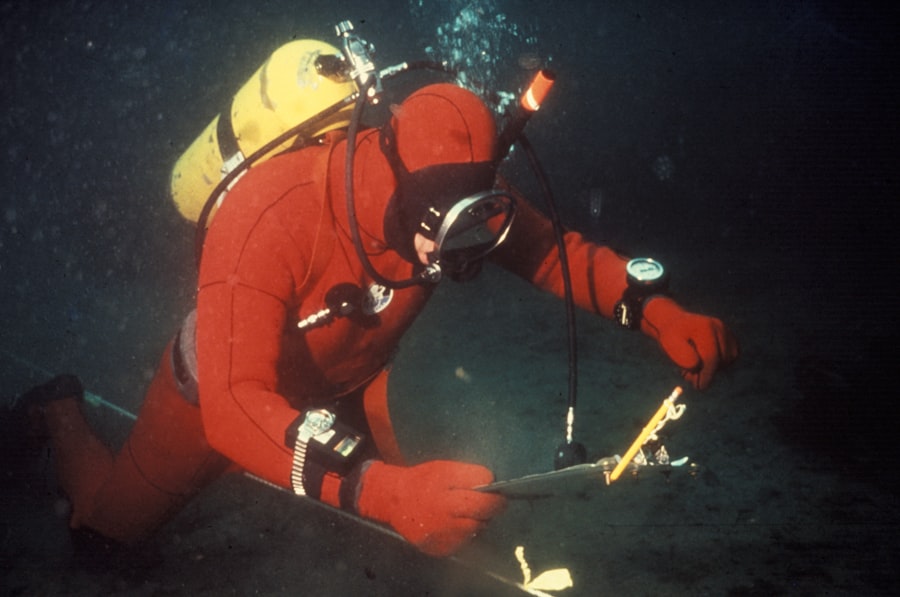
The effectiveness of underwater cable tapping relies heavily on a sophisticated array of technological tools. These instruments are at the forefront of engineering, designed to operate in extreme environments and to achieve incredibly precise results.
Acoustic Sensors and Sonar: Listening to the Depths
Before any physical interaction with a cable occurs, intelligence agencies often employ acoustic sensors and sonar systems to survey the seabed and identify potential targets. These technologies allow them to map the underwater terrain, locate cables, and detect the presence of any other vessels or underwater activity in the vicinity. Advanced sonar can even differentiate between various types of submerged objects, helping to distinguish cables from natural formations or other debris. This preparatory phase is crucial for planning a covert operation, ensuring minimal risk of detection.
Specialized Grippers and Manipulators
The sensitive nature of fiber optic cables necessitates the use of highly specialized gripping and manipulating tools. These robotic appendages are designed to exert precise pressure, avoiding any damage that could compromise the cable’s integrity or trigger an alert. They can gently cradle the cable, lift it from the seabed, and position it for the attachment of tapping devices. The development of these manipulators has been a significant technological hurdle, requiring engineers to combine underwater robotics with an intimate understanding of materials science and signal transmission.
Data Extraction and Transmission Technologies
Once a tapping device is in place, the next challenge is to extract the intercepted data and transmit it securely. This often involves miniaturized electronic components capable of processing high volumes of data in real-time. The extracted data then needs to be transmitted, either wirelessly to a nearby submarine or ROV, or through a dedicated line back to a covert operational base. This transmission must be encrypted and highly stealthy, utilizing frequencies or protocols that are unlikely to be detected by conventional surveillance methods.
The Geopolitical Chessboard: Nations and Their Submerged Ambitions
The ability to conduct underwater surveillance is not merely a technical capability; it is a significant geopolitical asset. Nations that possess advanced underwater intelligence-gathering capabilities hold a distinct advantage in the global arena, influencing diplomacy, economic policy, and military strategy.
The Players in the Deep Game
Several nations are widely understood to possess advanced capabilities in underwater intelligence gathering. The United States, with its extensive naval power and technological prowess, is a prominent player. Russia, with its long history of submarine operations and intelligence activities, is also believed to be heavily invested in this domain. Other nations with significant maritime interests and advanced technological sectors, such as China and several European countries, are also likely participants. The pursuit of these capabilities is part of a perpetual arms race, albeit one conducted in the silent depths rather than the visible skies.
Strategic Objectives and Intelligence Gains
The motives behind underwater cable tapping are multifaceted. Governments seek to gain insights into the strategic intentions of other nations, monitor diplomatic negotiations, and gather economic intelligence. For instance, understanding a rival nation’s economic vulnerabilities or technological advancements can inform strategic decision-making. Furthermore, in times of conflict, the ability to disrupt an adversary’s communication lines, even temporarily, can have significant military implications. The data gleaned from these operations can be invaluable for military planning, counter-terrorism efforts, and broader national security objectives.
Deniability and the Shadow War
The nature of underwater operations inherently lends itself to plausible deniability. The vastness of the ocean and the difficulty of monitoring activities in its depths make it challenging to definitively attribute specific actions to particular actors. This ambiguity is often exploited by intelligence agencies to conduct operations without leaving a clear trail. The “shadow war” waged beneath the waves is characterized by a constant cat-and-mouse game, where nations attempt to gain an advantage while simultaneously masking their own activities. This contributes to a complex geopolitical landscape where trust is a scarce commodity.
Underwater spy cable tapping has become a significant concern in the realm of cybersecurity and international relations, as nations seek to monitor communications and gather intelligence. A related article discusses the implications of these covert operations and their impact on global security. For more insights on this topic, you can read the full article here. Understanding the methods and motivations behind such activities is crucial for developing strategies to protect sensitive information in an increasingly interconnected world.
Ethical and Legal Labyrinths: The Murky Waters of International Law
| Metric | Details |
|---|---|
| Type of Cable | Fiber-optic submarine communication cables |
| Typical Cable Length | Thousands of kilometers (up to 40,000 km globally) |
| Data Capacity | Terabits per second (Tbps) |
| Tapping Method | Physical access with specialized tapping devices or optical splitters |
| Detection Difficulty | High – requires advanced monitoring and anomaly detection |
| Common Targets | International communication hubs, government and military data lines |
| Latency Impact | Minimal to none if tapping is passive |
| Security Measures | Encryption, physical cable monitoring, and tamper-evident seals |
| Known Incidents | Alleged NSA and GCHQ tapping operations (e.g., Operation Tempora) |
| Legal Status | Generally illegal under international law without consent |
The practice of underwater cable tapping raises significant ethical and legal questions, pushing the boundaries of international law and challenging established norms of sovereignty and communication privacy.
Sovereignty and Espionage in International Waters
While cables often traverse international waters, they also connect to sovereign territory. The act of tapping a cable, especially when it involves accessing data that is destined for or originates from a particular nation, can be seen as a violation of that nation’s sovereignty. International law, while addressing maritime boundaries and navigation rights, is less clear-cut when it comes to the surveillance of communication infrastructure. The principle of freedom of the high seas allows for various activities, but espionage on such a scale often operates in a legal gray area.
The Right to Privacy vs. National Security
The debate surrounding cable tapping often pits the fundamental right to privacy against the imperative of national security. While individuals and governments alike expect a degree of privacy in their communications, intelligence agencies argue that surveillance is a necessary tool to prevent threats and protect citizens. The challenge lies in finding a balance between these competing interests, and in establishing clear legal frameworks that govern such activities. The lack of readily accessible information about covert operations makes it difficult to ascertain the extent of these activities and to hold perpetrators accountable.
The Future of Submerged Surveillance
As technology continues to advance, the methods of underwater cable tapping will undoubtedly evolve. Nations will continue to invest in more sophisticated tools and techniques to gain an intelligence advantage. Simultaneously, there will likely be ongoing efforts to enhance the security of underwater infrastructure and to develop international agreements that address the legal and ethical implications of submerged surveillance. The silent game played out in the ocean depths is likely to remain a critical, albeit often unseen, component of global power dynamics for the foreseeable future. Understanding this submerged surveillance game is crucial for comprehending the intricate web of information that underpins our interconnected world and the constant, quiet struggle for control over its flow.
FAQs
What is underwater spy cable tapping?
Underwater spy cable tapping refers to the covert interception of data transmitted through submarine communication cables. These cables carry vast amounts of internet and telecommunication traffic across continents, and tapping them allows intelligence agencies or other entities to monitor communications.
How are underwater cables tapped?
Tapping underwater cables typically involves physically accessing the cable on the seabed and installing specialized equipment that can intercept and copy the data signals without disrupting the cable’s operation. This can be done using submarines, underwater drones, or divers.
Why are underwater cables targeted for spying?
Underwater cables are targeted because they carry the majority of international data traffic, including phone calls, emails, and internet data. Intercepting these cables provides access to a wealth of information for intelligence gathering, surveillance, and cybersecurity purposes.
Are there any legal protections for underwater cables?
Yes, international laws such as the United Nations Convention on the Law of the Sea (UNCLOS) provide some protections for submarine cables, prohibiting damage or unauthorized interference. However, enforcement against covert tapping is challenging, and espionage activities often occur in secrecy.
What are the risks and consequences of underwater cable tapping?
Risks include potential damage to critical communication infrastructure, breaches of privacy, and geopolitical tensions between countries. Discovery of tapping operations can lead to diplomatic disputes and increased security measures to protect submarine cables.