
Soviet intelligence, a multifaceted and often shadowy entity, employed a diverse array of covert gathering techniques throughout its existence, a period marked by intense ideological conflict and global power struggles. From the early days of the Cheka to the sophisticated operations of the KGB, Soviet intelligence agencies continuously evolved their methods, adapting to technological advancements and geopolitical shifts. Understanding these techniques offers a crucial lens through which to analyze Cold War history and the enduring legacy of state-sponsored espionage. This article will delve into the primary methodologies employed by Soviet intelligence, offering a factual overview of their approaches, complexities, and impact.
Human intelligence, or HUMINT, consistently formed the bedrock of Soviet intelligence operations. The Soviets understood that regardless of technological advancements, the human element – the ability to cultivate, recruit, and exploit individuals – remained paramount for obtaining high-value, nuanced information.
Agent Recruitment and Cultivation
Agent recruitment was a meticulous and often lengthy process. Soviet intelligence officers, known as case officers, were trained in psychological manipulation and the art of persuasion. Initial approaches were subtle, often involving carefully planned chance encounters or social engagements. The target’s vulnerabilities, motivations, and ideological leanings were thoroughly assessed.
Ideological Motivation
For many early recruits, and even later during the Cold War, ideological conviction played a significant role. Individuals disillusioned with capitalism or drawn to communist ideals sometimes offered their services voluntarily, believing they were contributing to a greater cause. Famous examples include the Cambridge Five, a group of British intellectuals who spied for the Soviet Union driven by communist sympathies.
Financial Inducement
While ideology was a powerful lever, financial gain often served as a secondary, or even primary, motivator for recruitment. Poverty, debt, or the desire for a luxurious lifestyle could render individuals susceptible to overtures from Soviet handlers. These payments were often structured as regular stipends, ensuring ongoing cooperation and loyalty.
Coercion and Blackmail
In more sinister cases, Soviet intelligence resorted to coercion and blackmail. This involved identifying a subject’s hidden vices, indiscretions, or illegal activities and then exploiting these vulnerabilities to force cooperation. The threat of exposure, disgrace, or even harm to loved ones proved a potent weapon in the Soviet arsenal.
“False Flag” Operations
A common recruitment tactic involved “false flag” operations, where an agent would approach a target under the guise of representing a different organization, often a friendly or neutral one. This technique minimized initial suspicion and allowed the agent to establish rapport and gather information before revealing their true affiliation, or sometimes never revealing it at all.
Infiltration and Placement Operations
Beyond direct recruitment, Soviet intelligence excelled at infiltrating key institutions and organizations. This involved strategically placing agents in positions where they could access sensitive information or influence decision-making.
“Illegals”
A particularly audacious and long-term strategy involved the deployment of “illegals.” These were agents sent abroad under deep cover, often assuming false identities and painstakingly developing new backstories and lives over many years. The goal was to integrate seamlessly into a target society, establish legitimate careers, and then, after years or even decades, begin their intelligence work. This method, while requiring immense patience and resources, offered potentially unparalleled access to sensitive environments due to the agent’s entrenched position.
“Sleepers”
Related to “illegals” were “sleepers,” agents who typically remained dormant for extended periods, only being activated when a specific need or crisis arose. They would live ordinary lives, often completely unaware of their true mission until called upon. This provided redundancy and an invaluable resource for future contingencies.
Soviet intelligence gathering methods have long been a subject of intrigue and analysis, particularly during the Cold War era when espionage played a crucial role in international relations. For a deeper understanding of these techniques and their implications, you can explore a related article that delves into the intricacies of Soviet espionage strategies and their impact on global politics. To read more about this fascinating topic, visit this article.
Signals Intelligence (SIGINT): Listening to the World
While HUMINT gathered secrets through human interaction, SIGINT, or signals intelligence, focused on intercepting and deciphering electronic communications. The technological advancements of the 20th century provided fertile ground for Soviet SIGINT operations, transforming the act of listening into a powerful intelligence tool.
Communications Interception
Soviet intelligence invested heavily in the infrastructure and personnel necessary for intercepting a vast array of communications.
Radio and Telephone Monitoring
From the early days of radio, Soviet operators diligently monitored shortwave, longwave, and later microwave transmissions. They established listening posts both within the Soviet Union and abroad, often disguised as meteorological stations or diplomatic missions. Telephone conversations, particularly those travelling over international lines or via satellite, were also prime targets.
Diplomatic and Military Communications
High-priority targets for interception included the communications of foreign diplomatic missions, military commands, and government agencies. Even rudimentary encryption methods could be challenged by dedicated teams of cryptanalysts. The ambition was to gain real-time insights into foreign policy, military deployments, and strategic intentions.
Cryptanalysis and Codebreaking
The interception of communications is only half the battle; the other half lies in deciphering them. Soviet cryptanalysis departments were highly sophisticated, employing brilliant mathematicians and linguists.
Manual and Automated Techniques
Initially, cryptanalysis relied on painstaking manual methods, analyzing patterns, frequency distributions, and known weaknesses in encryption schemes. With the advent of computers, automated analysis tools aided in searching for permutations and common phrases, significantly accelerating the decryption process.
Exploitation of Compromised Codes
Sometimes, Soviet intelligence gained an advantage through the compromise of foreign encryption systems. This could occur through agent recruitment within code-making departments, theft of codebooks, or even the subtle insertion of backdoors into cryptographic hardware or software during supply chain vulnerabilities. The “Venona” project, an Allied effort to decrypt Soviet wartime messages, revealed the extent to which the Soviets had successfully penetrated Western communications.
Technical Intelligence (TECHINT): Unveiling Foreign Capabilities
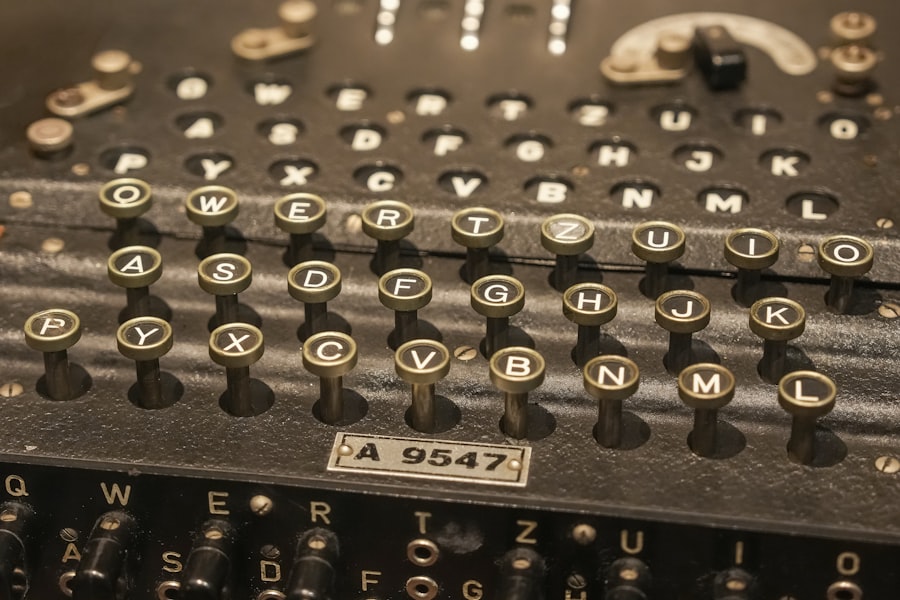
Technical intelligence, or TECHINT, focused on the collection and analysis of foreign scientific, technological, and industrial developments. The goal was to understand and, if possible, replicate or counter adversarial technological advancements, especially in military applications.
Acquisition of Prototypes and Blueprints
A key aspect of TECHINT involved the direct acquisition of foreign prototypes, components, or detailed blueprints.
Industrial Espionage
Soviet intelligence aggressively pursued industrial espionage, targeting advanced weaponry, aviation technology, computer systems, and nuclear programs. Agents would infiltrate research institutions, manufacturing plants, and defense contractors. Microfilm copies of documents, photographic reproductions, and even the physical theft of small components were common methods.
“Shopping Lists”
The Soviet scientific and military establishment often provided intelligence agencies with “shopping lists” detailing specific technologies they sought to acquire. These lists guided agents’ collection efforts, focusing on high-priority items that could contribute to Soviet technological parity or superiority.
Reverse Engineering
Once foreign technology was acquired, a dedicated effort was made towards reverse engineering.
Scientific Laboratories and Institutes
Captured or stolen equipment was meticulously disassembled and analyzed in Soviet scientific laboratories and research institutes. Teams of engineers and scientists would painstakingly reconstruct the design, materials, and operating principles of the foreign technology. This process aimed not only to understand the technology but also to reproduce it, often with modifications or improvements.
“Copycat” Production
The fruits of reverse engineering often manifested in “copycat” production, where the Soviets produced their versions of foreign aircraft, tanks, missile systems, or electronic devices. While sometimes lacking the initial refinements, this approach significantly accelerated Soviet technological development, bypassing lengthy and expensive research and development phases.
Open Source Intelligence (OSINT): The Public Secret
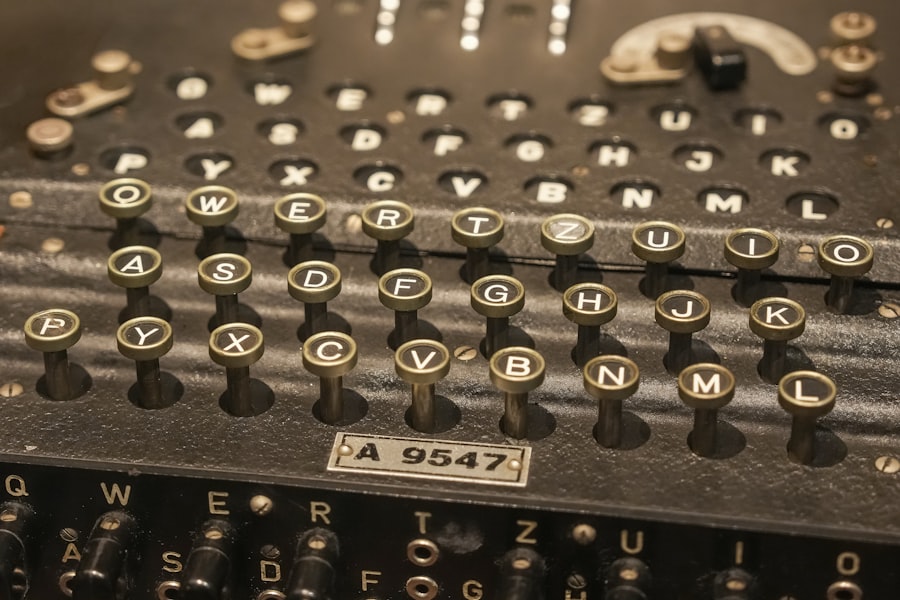
While often overshadowed by more dramatic covert operations, Open Source Intelligence (OSINT) constituted a vital and surprisingly effective component of Soviet intelligence gathering. OSINT refers to information gathered from publicly available sources.
Monitoring Public Media
Soviet intelligence agencies maintained extensive departments dedicated to monitoring and analyzing foreign public media.
Newspapers, Magazines, and Broadcasts
Teams of analysts systematically reviewed foreign newspapers, magazines, scholarly journals, and radio and television broadcasts. This provided invaluable insights into public opinion, political discourse, economic trends, and even subtle shifts in official policy. No publicly available piece of information was considered too insignificant.
Academic and Technical Publications
Scientific and technical journals, academic papers, and conference proceedings were scrutinized for breakthroughs in science, engineering, and technology. This was a low-cost, high-yield method for identifying new research areas, key personnel, and potential vulnerabilities or advancements in Western technological development.
Embassy and Consular Observation
Diplomatic missions provided a legitimate cover for intelligence officers to collect OSINT and subtly gather other forms of intelligence.
Observing Public Events
Attachés from Soviet embassies and consulates regularly attended public events, demonstrations, parliamentary sessions, and cultural gatherings. This allowed them to observe social dynamics, political sentiments, and gather information that might not be openly reported.
Building Networks and Contacts
While operating within diplomatic norms, intelligence officers also cultivated a wide range of contacts within academic, journalistic, and business circles. These contacts, often unwittingly, could provide valuable insights and perspectives that enriched the overall intelligence picture. Such interactions, though seemingly innocuous, formed a critical component of the intelligence mosaic.
Soviet intelligence gathering methods have long been a subject of intrigue and analysis, particularly during the Cold War era when espionage played a crucial role in international relations. A fascinating exploration of these tactics can be found in a related article that delves into the intricacies of Soviet espionage operations and their impact on global politics. For those interested in understanding the depth of these strategies, you can read more about it in this insightful piece on intelligence operations.
Disruptive and Deceptive Measures: A Veil of Misinformation and Influence
| Method | Description | Primary Use | Effectiveness | Notable Example |
|---|---|---|---|---|
| Human Intelligence (HUMINT) | Recruitment and handling of spies and informants within target countries. | Gathering political, military, and technological secrets. | High | Cambridge Five in the UK |
| Signals Intelligence (SIGINT) | Interception and decryption of communications and electronic signals. | Monitoring military communications and diplomatic messages. | High | Operation VENONA decrypts |
| Technical Intelligence (TECHINT) | Collection of scientific and technical data through espionage and surveillance. | Acquiring advanced technology and weapons information. | Moderate to High | Acquisition of U.S. nuclear secrets |
| Satellite Reconnaissance | Use of satellites to gather photographic and electronic intelligence. | Monitoring military installations and missile sites. | Moderate | Early Soviet reconnaissance satellites |
| Disinformation and Active Measures | Spreading false information to mislead adversaries and influence public opinion. | Psychological warfare and political manipulation. | Variable | Operation INFEKTION |
Beyond direct information gathering, Soviet intelligence also employed a range of disruptive and deceptive measures designed to influence foreign populations, destabilize adversaries, and project Soviet power. These tactics were often intertwined with intelligence collection, creating a complex web of operations.
Active Measures (Aktive Meropriyatiya)
Active Measures encompassed a broad spectrum of overt and covert operations aimed at influencing events and public opinion in the target country.
Propaganda and Disinformation
A cornerstone of Active Measures was the dissemination of propaganda and disinformation. This involved creating and spreading false narratives, forged documents, and distorted information designed to sow discord, undermine trust in democratic institutions, or promote Soviet interests. These efforts were often channeled through front organizations, unwitting media outlets, or sympathetic academics.
Forgery and Document Falsification
Soviet intelligence agencies, particularly the KGB, were adept at forgery. They produced fake documents, letters, and intelligence reports designed to discredit individuals, organizations, or governments. These forgeries were then strategically leaked to generate controversy and influence public perception.
Agent Provocateurs and Instigated Unrest
Soviet intelligence sometimes sought to actively instigate unrest or exploit existing tensions within target countries.
Inciting Protests and Demonstrations
Agent provocateurs could be deployed to infiltrate existing protest movements or labor disputes, subtly escalating tensions, encouraging violence, or steering the movement towards objectives beneficial to Soviet interests. The goal was to create instability, undermine government authority, and divert resources.
Assassination and Sabotage
While less common and reserved for extreme circumstances, Soviet intelligence did engage in assassination and sabotage operations against perceived enemies of the state or key strategic targets. These operations were designed to eliminate threats, instill fear, or disrupt critical infrastructure, often leaving minimal traces of Soviet involvement. The use of poisons and other clandestine methods was notorious.
Infiltration of Political and Social Movements
Soviet intelligence consistently sought to penetrate and influence political parties, trade unions, and social movements in foreign countries.
Support for Communist and Left-Wing Parties
For decades, the Soviet Union provided financial and logistical support to communist and various left-wing parties abroad. This support aimed to bolster their influence, provide a conduit for Soviet propaganda, and potentially facilitate the rise of pro-Soviet regimes.
Manipulation of Front Organizations
Soviet intelligence often created or co-opted various “front organizations” – ostensibly independent peace groups, youth movements, or cultural associations – that secretly served Soviet foreign policy objectives. These organizations provided a platform for spreading propaganda and recruiting unwitting sympathizers, allowing the Soviets to exert influence without direct attribution.
In essence, the tapestry of Soviet intelligence gathering was woven with threads of human ingenuity, technological prowess, and often ruthless determination. These covert techniques, from the patient cultivation of human sources to the relentless pursuit of technological secrets, paint a comprehensive picture of a state deeply committed to understanding and shaping the global landscape. The legacy of these methods continues to resonate in contemporary intelligence paradigms, reminding us of the enduring complexities of statecraft and secret operations.
FAQs
What were the primary methods used by Soviet intelligence for gathering information?
Soviet intelligence primarily used human intelligence (HUMINT), signals intelligence (SIGINT), and covert surveillance. They relied heavily on espionage agents, wiretapping, intercepting communications, and infiltrating foreign governments and organizations.
How did the KGB contribute to Soviet intelligence gathering?
The KGB was the main security agency responsible for intelligence gathering, counterintelligence, and espionage. It operated both domestically and internationally, recruiting spies, conducting surveillance, and managing networks of informants to collect sensitive information.
What role did technology play in Soviet intelligence gathering?
Technology played a significant role, including the use of radio intercepts, encrypted communications, bugging devices, and satellite reconnaissance. The Soviets developed advanced cryptographic techniques and electronic surveillance tools to monitor foreign communications and activities.
Were there any notable Soviet intelligence operations during the Cold War?
Yes, several notable operations include the infiltration of Western governments, the recruitment of double agents like Aldrich Ames and Robert Hanssen, and the extensive use of espionage to acquire nuclear and military secrets. These operations significantly influenced Cold War dynamics.
How did Soviet intelligence gathering impact international relations?
Soviet intelligence activities heightened tensions during the Cold War, leading to mistrust and espionage countermeasures by Western countries. The exposure of Soviet spies often resulted in diplomatic crises, increased security protocols, and contributed to the overall atmosphere of suspicion between East and West.