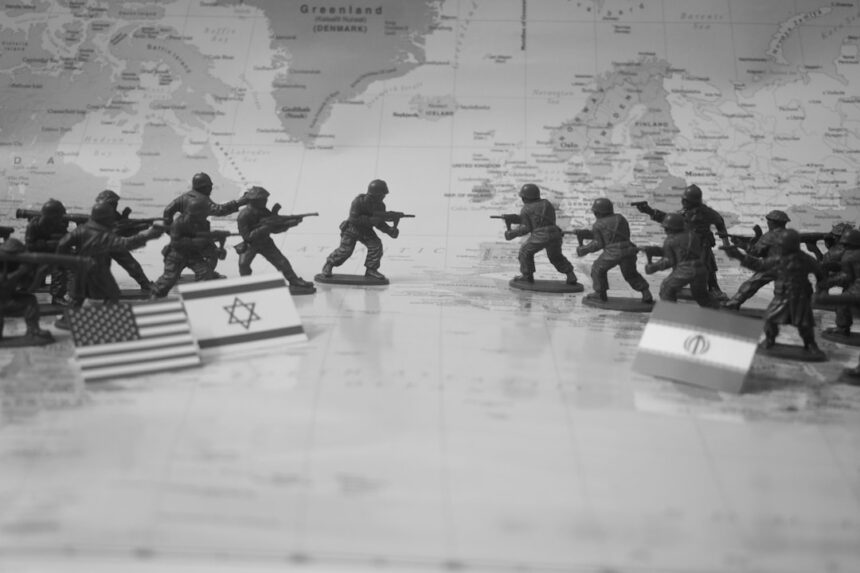
The “Iron Serpent” simulation, a comprehensive wargame designed to model a potential conflict scenario involving Iran, concluded its intensive run in late 2026. Conducted by a consortium of international defense analysts and strategic think tanks, the simulation aimed to explore the multifaceted implications of a large-scale military engagement in the Persian Gulf region. The findings, released with a deliberate emphasis on objective analysis, offer a sobering perspective on the potential costs and complexities of such a conflict, moving beyond speculative headlines and into the realm of quantifiable projections.
Simulation Methodology and Scope
The “Iron Serpent” exercise was not a singular, monolithic event but rather a series of interconnected simulations that explored various operational phases and strategic objectives. The core of the simulation revolved around a hypothesized catalyst for conflict, which, for the purposes of the exercise, could range from escalating regional tensions to a direct infringement of international maritime law. The duration of the simulated conflict was deliberately varied across different scenarios to assess the impact of protracted engagement versus more localized, decisive operations.
Defining the Conflict Parameters
The simulation’s parameters were meticulously defined to ensure a degree of realism, drawing heavily on open-source intelligence, historical conflict data, and expert consensus regarding military capabilities and doctrines.
Hypothetical Casus Belli
The simulation explored several potential triggers for conflict, including:
- Strait of Hormuz Closure: A direct attempt by Iran to interdict or severely disrupt oil tanker traffic through the Strait of Hormuz, a critical global chokepoint.
- Escalation of Proxy Conflicts: A significant escalation of existing proxy skirmishes in Yemen, Syria, or Iraq, drawing in external powers.
- Nuclear Proliferation Concerns: Evidence of Iran achieving a weapons-grade nuclear capability, triggering a preemptive strike.
- Cyber Warfare Escalation: Large-scale, state-sponsored cyberattacks targeting critical infrastructure in allied nations within the region.
These casus belli were designed to initiate distinct operational environments and strategic objectives for the participating simulated forces.
Simulated Force Compositions
The simulation involved a diverse array of simulated military assets. On the Iranian side, emphasis was placed on asymmetrical warfare capabilities, including missile systems, naval mines, swarming drone tactics, and sophisticated electronic warfare. For the opposing forces, the simulation incorporated a combination of naval power projection, air superiority, special operations forces, and precision strike capabilities.
- Iranian Forces: This included the Islamic Revolutionary Guard Corps (IRGC) navy and air force, conventional military units, ballistic and cruise missile arsenals, and asymmetric warfare units. The simulation also factored in the potential involvement of allied militias and proxy forces.
- Coalition Forces: Primarily composed of naval carrier strike groups, air wings, amphibious assault units, and special forces from key global powers. The simulation also considered the potential for allied land-based deployments in neighboring countries.
Operational Environment and Terrain
The simulation’s operational environment was rendered with a high degree of fidelity, encompassing the maritime domains of the Persian Gulf and Gulf of Oman, as well as the terrestrial territories of Iran and its surrounding nations.
- Maritime Domain: This included strategic chokepoints like the Strait of Hormuz, vast stretches of open water, and complex internal waterway systems. The simulation accounted for the unique challenges of submarine warfare, mine warfare, and anti-surface warfare in these waters.
- Terrestrial Domain: The simulation modeled the urban environments of major Iranian cities, desert terrains, mountain ranges, and critical infrastructure such as oil fields and refineries.
The recent Iran War Simulation 2026 results have sparked significant discussions among military strategists and analysts. For those interested in a deeper understanding of the implications and outcomes of these simulations, a related article can be found at In the War Room. This article provides valuable insights into the strategic considerations and potential scenarios that could arise from the ongoing tensions in the region.
Key Findings: Phase One – Initial Engagement
The initial phase of the “Iron Serpent” simulation, focusing on the opening moves of a conflict, revealed several critical vulnerabilities and potential turning points. The expectation of swift, decisive victories for technologically superior forces was tempered by the realities of Iran’s layered defense strategies and the inherent friction of war.
The Effectiveness of Asymmetrical Warfare
A significant portion of the simulation focused on Iran’s well-documented reliance on asymmetrical tactics. The results underscored the disruptive potential of these strategies, even against a technologically advanced adversary.
Swarming Tactics and Drone Warfare
The coordinated use of unmanned aerial vehicles (UAVs) and small, fast attack craft proved to be a persistent challenge for coalition naval forces.
- Drones for Reconnaissance and Attack: Simulated Iranian drone swarms, equipped with various payloads, were instrumental in overwhelming air defense systems and conducting targeted strikes against naval vessels and shore-based infrastructure.
- Small Boat Swarms: The effectiveness of coordinated attacks by swarms of small, fast boats armed with anti-ship missiles and improvised explosive devices was a recurring theme, posing a significant threat to larger naval platforms.
Missile and Rocket Barrages
The widespread deployment of ballistic and cruise missiles, coupled with rocket artillery, was simulated to exert considerable pressure on coalition bases and naval assets.
- Area Denial: A sustained barrage of Iranian missiles and rockets was shown to effectively create areas of denial, complicating coalition air operations and naval maneuvers.
- Interdiction of Supply Lines: The simulation highlighted the potential for missile strikes to disrupt critical logistical nodes and supply lines, both at sea and in theater.
Coalition Response and Initial Setbacks
The coalition’s initial response, while incorporating advanced technological solutions, was not without its challenges. The simulation exposed bottlenecks in communication, decision-making processes, and the integration of disparate military assets.
Air Superiority Challenges
Achieving and maintaining uncontested air superiority proved more difficult than anticipated due to Iran’s integrated air defense systems and the dispersed nature of its missile launch sites.
- Layered Air Defenses: The simulation demonstrated the efficacy of Iran’s layered air defense networks, comprising a mix of Russian and indigenous systems, in inflicting attrition on coalition aircraft.
- Suppression of Enemy Air Defenses (SEAD) Operations: While coalition SEAD missions were successful in degrading some elements of Iran’s air defenses, the simulation indicated that complete suppression would require sustained and resource-intensive efforts.
Naval Vulnerabilities
The simulation highlighted the inherent vulnerability of large naval platforms in a contested environment, particularly against asymmetrical threats.
- Mine Warfare: The threat of Iranian naval mines, deployed in critical shipping lanes, demonstrated a capacity to significantly impede naval movements and force resource-intensive mine-clearing operations.
- Anti-Ship Missile Defense: While coalition vessels possess advanced missile defense systems, the simulation illustrated scenarios where coordinated saturation attacks could overwhelm these defenses.
Key Findings: Phase Two – Ground Operations and Attrition
As the simulation transitioned into potential ground operations and protracted engagement, the resource requirements and human cost became increasingly prominent considerations. The notion of a short, sharp conflict diminished as the simulation explored scenarios of urban warfare and sustained attrition.
The Reality of Urban Combat
Should ground forces be committed, the simulation projected significant challenges in urban environments, characterized by prolonged fighting and high casualty rates.
Irregular Warfare and Insurgency Tactics
Iranian forces, along with allied paramilitary groups, were simulated to employ tactics that blended conventional defense with insurgent strategies, making territorial control a protracted and costly endeavor.
- Guerilla Warfare: The simulation explored the effectiveness of hit-and-run tactics, ambushes, and the use of local populations for intelligence and support by insurgent elements.
- Booby Traps and Improvised Explosive Devices (IEDs): The pervasive use of IEDs and booby traps within urban areas was shown to inflict significant casualties on advancing ground forces, slowing progress and increasing the psychological toll of combat.
- Defensive Fortifications: The simulation accounted for Iranian forces utilizing extensive underground tunnel networks and fortified positions within urban centers, creating formidable defensive strongholds.
Civilian Casualties and Collateral Damage
The simulation unequivocally highlighted the severe risk of civilian casualties and collateral damage in any ground engagement within populated areas.
- Indiscriminate Fire and Urban Fights: The nature of urban combat inherently increases the probability of civilian harm, a factor that the simulation weighted heavily in its casualty projections.
- Information Warfare and Propaganda: The simulation also factored in the potential for both sides to engage in sophisticated information warfare campaigns, with a significant focus on shaping global public opinion and undermining enemy morale.
Sustained Logistics and attrition
A prolonged conflict scenario underscored the immense logistical demands and the inevitable attrition of resources for all parties involved.
Supply Chain Vulnerabilities
Both coalition and Iranian supply chains were identified as potential points of failure, susceptible to interdiction and long-term degradation.
- Long-Distance Resupply: The simulation emphasized the strain on coalition logistics from maintaining supply lines across vast distances, particularly in the face of missile and drone attacks.
- Iranian Economic Strain: While the simulation did not explicitly model economic collapse, it indicated that sustained military operations would place an immense strain on Iran’s already challenged economy, impacting its capacity for sustained combat.
Human Cost and Morale
The simulation’s casualty projections, while anonymized in their reporting, served as a stark indicator of the immense human cost of prolonged warfare.
- Psychological Impact: The simulation incorporated factors related to troop morale, fatigue, and the psychological impact of prolonged exposure to combat, particularly in urban and asymmetrical environments.
- Reserve Mobilization and Training: The long-term viability of sustained operations hinged on the capacity to replenish losses and train new personnel, an element that the simulation examined with critical attention.
Key Findings: Phase Three – Strategic Outcomes and Long-Term Implications
The conclusion of the “Iron Serpent” simulation did not present a clear, unilateral “victory” for any participating force. Instead, it highlighted a spectrum of potential outcomes, each with significant and enduring consequences for regional and global stability. The absence of a decisive win underscored the inherent complexities and the interconnectedness of geopolitical factors.
Regional Destabilization and Power Vacuums
Regardless of the specific operational outcome, the simulation consistently projected a significant increase in regional instability, with cascading effects across the Middle East.
Rise of Non-State Actors
The breakdown of established order and the diversion of state resources were projected to create opportunities for the proliferation of non-state actors and extremist groups.
- Exploitation of Chaos: The simulation indicated that groups not directly involved in the initial conflict could exploit the resulting chaos to expand their influence and operational reach.
- Refugee Flows and Humanitarian Crises: The displacement of populations and the potential for humanitarian crises were modeled as significant secondary consequences, creating immense challenges for neighboring states and international aid organizations.
Shifting Power Dynamics
The conflict, regardless of its perceived winner, was expected to fundamentally alter the existing balance of power in the region.
- Weakened State Authority: The war’s toll on major regional powers could lead to a weakening of state authority and a rise in internal dissent, creating new security challenges.
- Emergence of New Alliances: The simulation suggested that the conflict could foster new, albeit potentially fragile, regional alliances as nations sought to adapt to the altered geopolitical landscape.
Economic Ramifications and Global Impact
The economic repercussions of a conflict involving Iran were projected to extend far beyond the immediate theater, impacting global markets and energy security.
Energy Market Volatility
Disruptions to oil production and transit routes were modelled to cause significant volatility in global energy markets.
- Supply Shocks: The simulation explored scenarios of severe supply shocks, leading to rapid and sustained increases in oil prices, with ripple effects across all major economies.
- Impact on Global Trade: Beyond energy, the disruption of shipping lanes and the rerouting of trade expected to affect global supply chains, contributing to inflation and economic slowdowns.
Reconstruction and Long-Term Recovery
The simulation acknowledged the immense cost and complexity of any potential reconstruction efforts in a devastated region.
- Financial Burdens: The financial burden of reconstruction and humanitarian aid would likely fall on a combination of national governments and international financial institutions, posing significant fiscal challenges.
- Infrastructure Rebuilding: The simulation highlighted the daunting task of rebuilding damaged infrastructure, a process that could take decades and require substantial international cooperation.
The recent results of the Iran War Simulation 2026 have sparked significant discussions among military strategists and analysts. Insights from this simulation can be further explored in a related article that delves into the implications of these findings on global security dynamics. For those interested in a deeper analysis, you can read more about it in this comprehensive piece on In The War Room, which highlights the potential outcomes and strategies that may arise from the simulation’s scenarios.
Lessons Learned and Policy Implications
The “Iron Serpent” simulation was not designed to offer a prescriptive solution but rather to provide a data-driven foundation for informed decision-making. The findings were intended to stimulate a more nuanced and pragmatic approach to understanding the potential costs and consequences of military conflict in the region.
The Imperative of De-escalation
A recurring theme throughout the simulation’s findings was the profound difficulty and immense cost associated with initiating and sustaining military action.
Diplomatic Solutions Under Pressure
The simulation underscored the vital importance of robust diplomatic channels and the necessity of exhausting all non-military options before considering coercive measures.
- Preventive Diplomacy: The simulation implicitly argued for increased investment in preventive diplomacy and conflict resolution mechanisms as a means to avert such scenarios altogether.
- Trust-Building Measures: The simulation highlighted the deficit of trust in the region and the need for consistent, verifiable trust-building measures between state actors.
The Limits of Military Power
The simulation’s results served as a stark reminder that military power, while a factor, is not a panacea and can lead to unintended and detrimental consequences.
- Unforeseen Contagion: The interconnected nature of the region meant that a localized conflict could quickly spiral into a wider conflagration, drawing in additional actors and exacerbating existing tensions.
- The “Fog of War” Persists: Despite advanced modeling, the simulation reinforced the enduring reality of the “fog of war,” where uncertainty, incomplete intelligence, and human error can profoundly influence operational outcomes.
The Need for Comprehensive Strategic Planning
The simulation highlighted the necessity of developing comprehensive strategic plans that extend beyond immediate military objectives to encompass long-term political, economic, and humanitarian considerations.
Integrated Security Approaches
The findings suggested a move towards more integrated security approaches, combining diplomatic, economic, and military instruments of statecraft in a coordinated manner.
- Beyond Kinetic Solutions: The simulation emphasized that solutions to regional security challenges often require multifaceted approaches that extend beyond purely kinetic means.
- Understanding Proxies and Alliances: A detailed understanding of regional alliances and the motivations of proxy groups was identified as crucial for effective strategic planning.
Continuous Risk Assessment and Adaptation
The dynamic nature of geopolitical threats necessitates continuous risk assessment and the ability to adapt strategies in response to evolving circumstances.
- Scenario Planning: The simulation itself represents a form of scenario planning, underscoring the value of regularly developing and evaluating various potential future conflicts.
- Flexibility and Responsiveness: The simulation indicated the need for military and diplomatic strategies to be flexible and responsive to unforeseen developments on the ground.
The “Iron Serpent” simulation represents a significant undertaking in contemporary defense analysis. Its detailed findings, grounded in complex modeling and expert input, offer a vital counterpoint to simplistic narratives surrounding potential conflicts. The revealed results serve as a somber but essential reminder of the profound and multifaceted costs associated with large-scale military engagement in the Persian Gulf region, urging a continued focus on diplomacy, de-escalation, and comprehensive risk assessment.
FAQs
What is the Iran war simulation 2026?
The Iran war simulation 2026 is a hypothetical scenario designed to test and analyze potential outcomes of a military conflict involving Iran and other nations.
Who conducted the Iran war simulation 2026?
The Iran war simulation 2026 was conducted by a team of military and political experts, using advanced war gaming techniques and simulations to model various scenarios and their potential consequences.
What were the results of the Iran war simulation 2026?
The results of the Iran war simulation 2026 indicated a range of potential outcomes, including the impact on regional stability, global security, and the potential for escalation or de-escalation of the conflict.
What were the key findings from the Iran war simulation 2026?
The key findings from the Iran war simulation 2026 highlighted the complex nature of modern warfare, the importance of diplomatic efforts to prevent conflict, and the potential for unintended consequences in a military confrontation.
How can the results of the Iran war simulation 2026 be used in real-world decision-making?
The results of the Iran war simulation 2026 can be used to inform strategic planning, policy development, and diplomatic efforts to prevent conflict and promote stability in the region.